
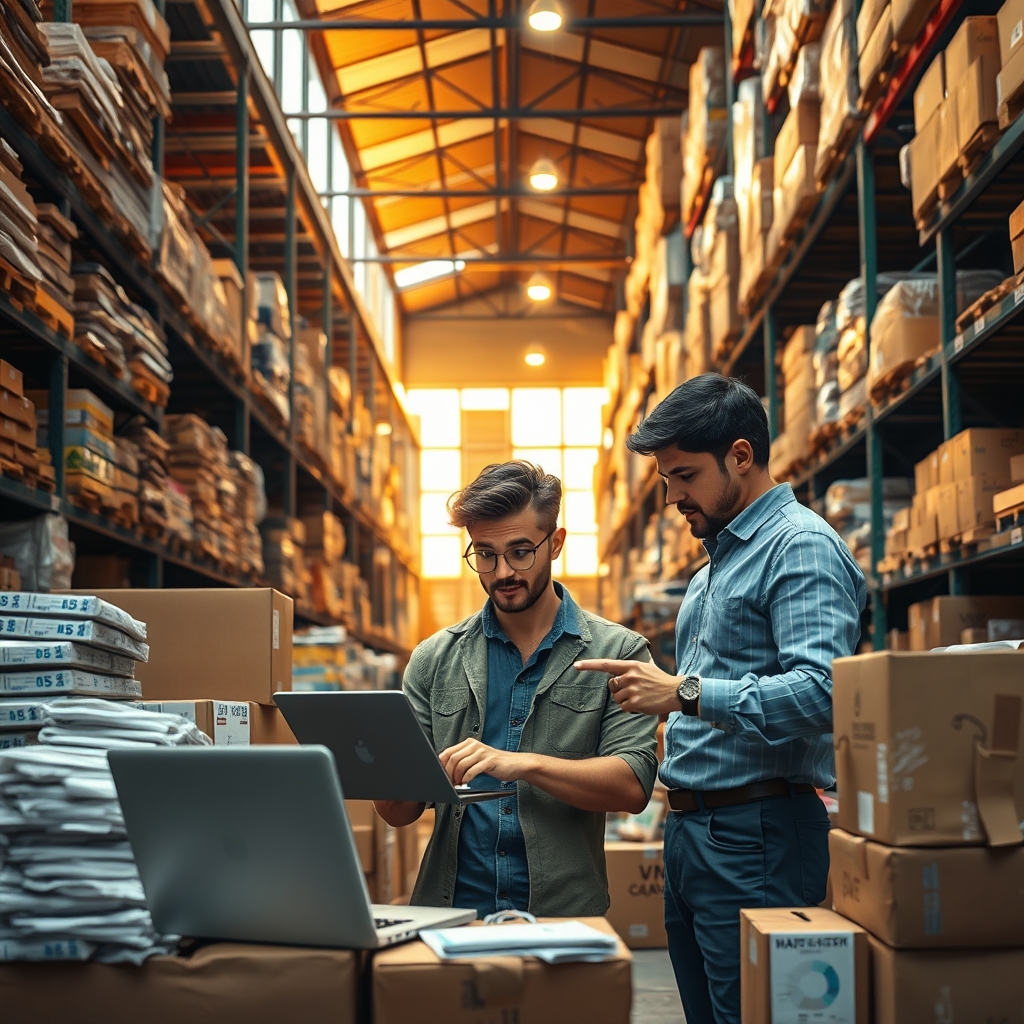
I’ve seen too many entrepreneurs in Shenzhen, arriving in this city with dreams, only to be knocked back to reality time and again by the tides of life. But the story I’m about to share today gave me a glimmer of different hope.
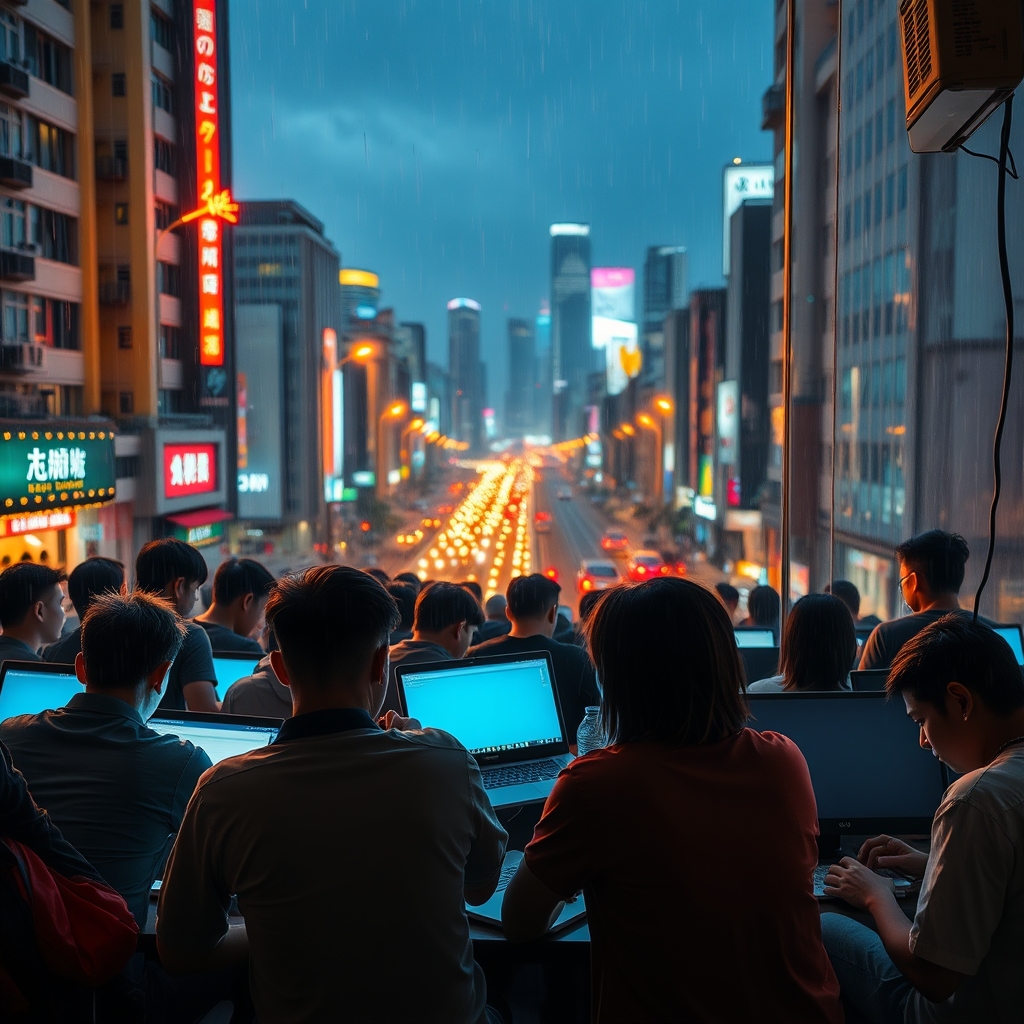
Li Ming, a young man from a small county town, arrived in Shenzhen three years ago with nothing but a worn-out suitcase. He had no higher education, no wealthy family background, and not even a decent job. For the first few months, he worked on factory assembly lines, repeating monotonous and mechanical labor every day. Yet, he never gave up on his entrepreneurial dream. Every weekend, he would wander around Huaqiangbei Electronics Market, observing changes in supply and demand, and jotting down every possible business opportunity.

What truly motivated him to transition into becoming a second-hand dealer was a chance encounter. One day, he saw a foreigner on Taobao buying a domestically produced electronic component at a high price. He immediately realized this could be a huge business opportunity. After some investigation, he discovered that this component was actually very cheap in the domestic market, but due to information asymmetry, foreigners were willing to pay a premium for it. He decided to take a gamble and used all his savings to purchase a batch of goods.
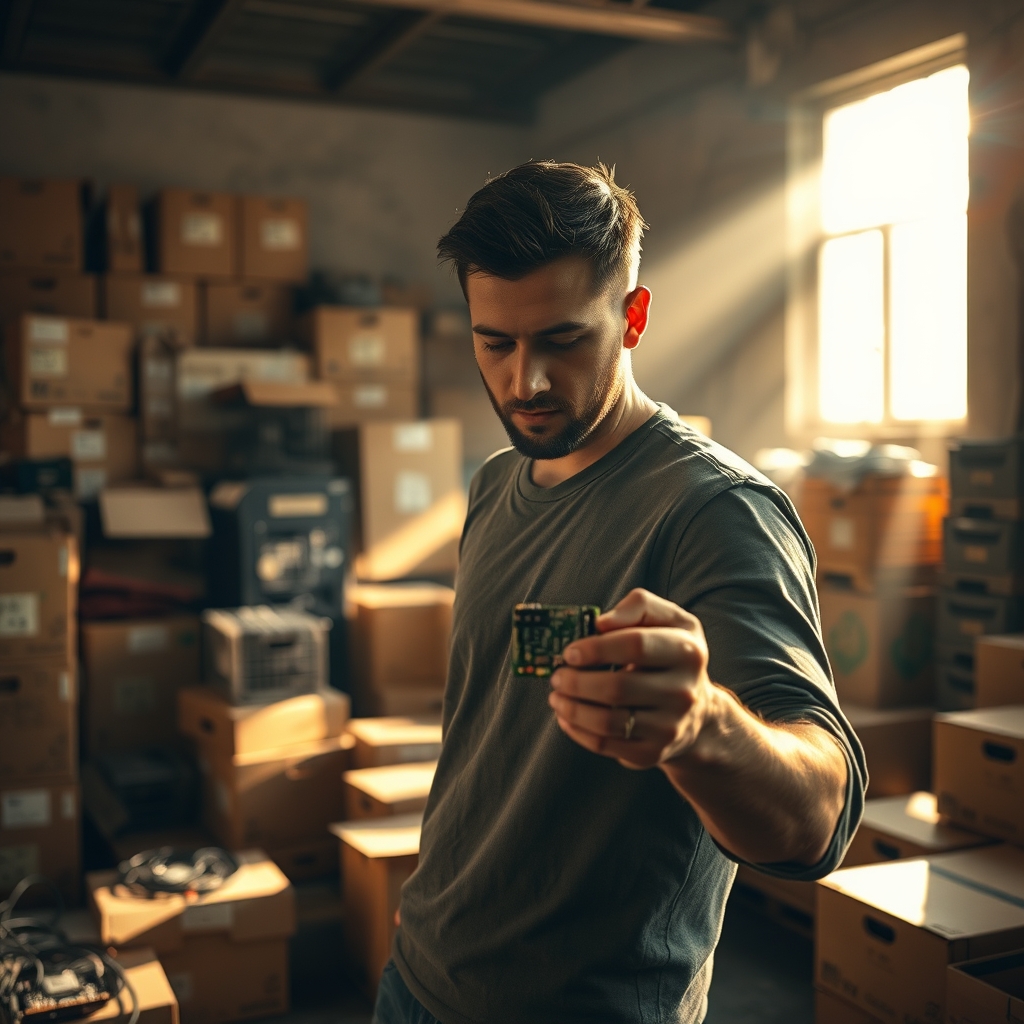
However, things didn’t go smoothly. On his first purchase, he bought a batch of poor-quality products because he was unfamiliar with the market. As a result, the goods were severely damaged during transportation, and he lost half of his savings. During that time, he spent almost every day in self-blame and pain. But he didn’t give up; instead, he became more determined after each setback. He began learning how to identify product quality, how to negotiate with manufacturers, and how to avoid logistics risks. He even went to Yiwu specifically to learn purchasing techniques, visiting various suppliers and building a network of contacts.

—— END ——
Really interesting take on how the dealer leveraged WeChat groups to source inventory. I tried a similar approach last year but struggled with logistics; any tips on handling returns?
Hey, interesting read. I run a small refurb shop in Futian and found the part about leveraging WeChat mini‑programs for inventory sync spot on. It’s not just about buying low‑sell high; the real win is building trust via after‑sale service. Keeps me thinking about my own side hustle. Thanks for sharing!
Really enjoyed the piece—seeing a second‑hand dealer pivot into a legit million‑dollar business shows how hustle meets smart moves. The emphasis on building trust with suppliers as the key step hit home; it’s a reminder that relationships often outweigh flashy tactics. Has anyone tried replicating this model in other Chinese hubs?
Really enjoyed the piece—especially the part about leveraging local guanxi to source quality second‑hand goods. It reminded me of how I started my own resale stall in Huaqiangbei last year; focusing on trust with suppliers made a huge difference. Thanks for sharing!
Hey, interesting read. I liked how the dealer focused on building trust with local sellers before scaling—that’s a solid move for anyone trying to flip second‑hand goods in a crowded market like Shenzhen. Thanks for sharing!
Yeah, the piece hit home—especially the part about turning scrap into a reliable supply chain. I tried a similar model in Guangzhou last year and saw repeat orders jump after I focused on transparent pricing and quick turnaround. Curious how they handled the logistics side as volume grew. haha, solid read.
Yeah, indeed — turning a second‑hand hobby into a million‑dollar biz is impressive. The key step they highlighted about building trust with buyers seems crucial; I’ve seen similar models work when they pair transparent grading with quick logistics. Curious how they handle warranty returns though.
Really enjoyed the piece. The part about creating a transparent rating system to win over suppliers hit home—I tried something similar in my small Shenzhen resale hustle and saw repeat business jump noticeably. It’d be great to hear more details on how they scaled the logistics side without losing that personal touch.
Really enjoyed the piece. It’s inspiring to see how a second‑hand dealer in Shenzhen scaled up to a million‑dollar business. From my own side‑hustle experience, the biggest hurdle was nailing down a reliable supply chain—once I locked in regular pick‑ups from a few residential complexes and university dorms, the rest fell into place. I’m curious how the author handled the logistics side, especially with Shenzhen’s strict vehicle limits during peak hours. Also, did they start with a simple WeChat shop before moving to a dedicated site? Would love to hear more about those early‑stage decisions.
(Just got back from browsing the flea market at COCO Park—lots of hidden gems there!)
Really interesting read. The key step they highlighted about leveraging local supply chains resonates; I’ve seen similar models work in Guangzhou’s electronics markets. Would love to hear more about how they handled initial capital.
The article hits on a crucial point—turning a loose second‑hand operation into a scalable business hinges on systematizing sourcing and quality checks. I’ve noticed similar patterns in the refurbished phone sector here in Shenzhen, where dealers who invest in simple ERP tools see margins jump. It would be great to hear more about how they navigated the local e‑commerce licensing maze, but overall a useful read for anyone trying to formalize a informal trade.
Really interesting read—seeing how a second‑hand dealer in Shenzhen scaled up is inspiring. The key step they highlighted about building trust with local suppliers resonates; I’ve seen similar tactics work in Guangzhou’s flea markets. Thanks for sharing!
Really enjoyed the piece—seeing how a second‑hand dealer turned into a million‑dollar entrepreneur in Shenzhen feels spot‑on for 2026. The emphasis on building trust through transparent online listings hit home; I’ve noticed similar shifts in Guangzhou’s flea markets where buyers now prioritize verified seller profiles. Thanks for sharing the insight!
Hey LeoZhang, really enjoyed the piece. It’s inspiring to see how a second‑hand dealer in Shenzhen scaled up by focusing on a niche—like refurbished electronics. I’ve tried something similar with used furniture last year and found that building a reliable warranty system was the real game‑changer. Keep sharing these practical steps!
Ha, indeed, it’s interesting to see how a second‑hand dealer leveraged local supply chains to scale. I ran a small resale shop in Shenzhen last year and found that building trust with buyers was the real game‑changer. Curious to know if the author used any specific online platforms for the key step?
Really enjoyed the piece. The shift from pure flipping to building a brand story on platforms like Douyin seems to be the turning point. I’m curious how they managed cash flow for inventory in the first six months—did they rely on micro‑loans or reinvest profits? Would love to hear if others have tried replicating this in cities like Chengdu or Wuhan.
The article hits on a solid point—using tight‑knit community channels (like WeChat groups) to source and move items fast can make a huge difference in a second‑hand biz. It’s a reminder that sometimes the simplest hustle beats flashy tech. Solid read.