
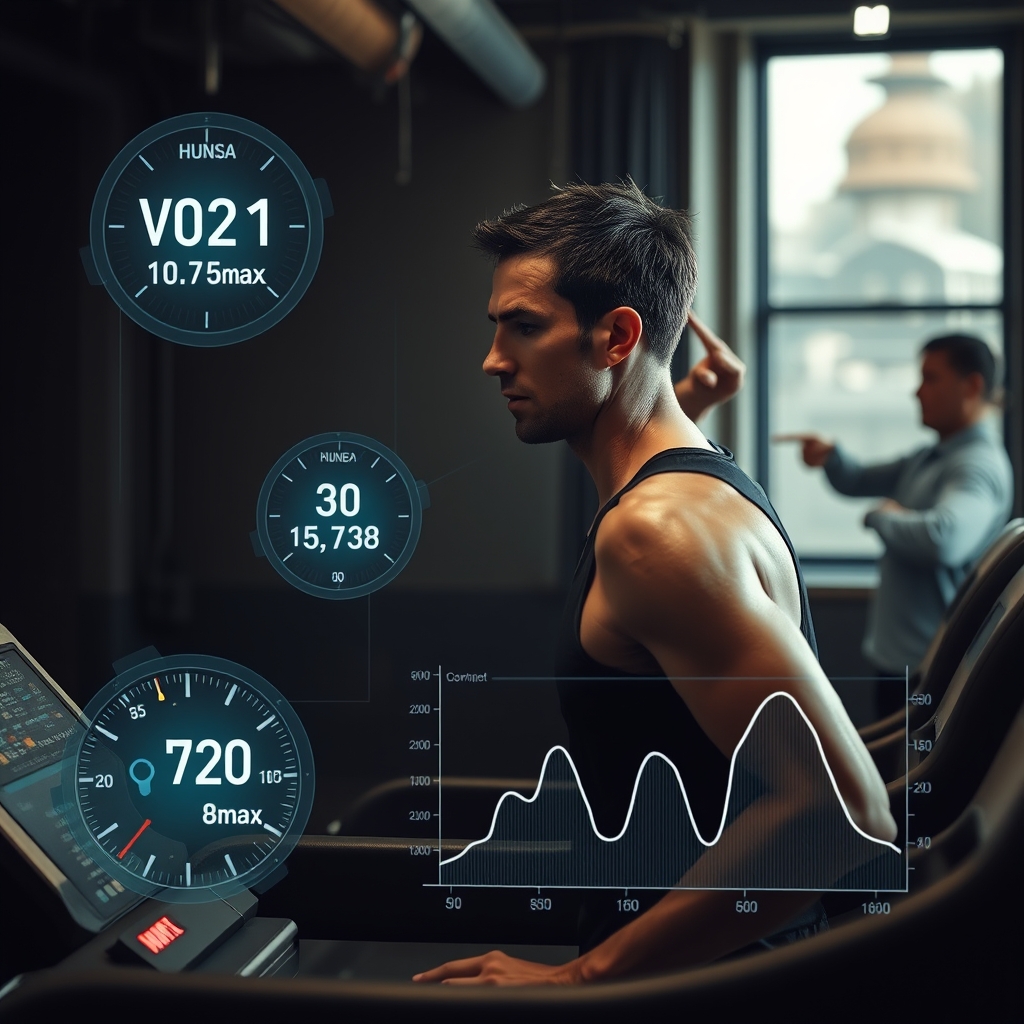
Do you feel like you’re training harder and harder, yet your performance feels stuck, as if pulled back by an invisible rubber band? A plateau isn’t a sign of insufficient ability, but a signal of imbalanced training rhythm.
Periodized training is the systematic solution to this phenomenon. The macrocycle (one year) is divided into preparatory, competitive, and transition phases; the mesocycle (four to six weeks) focuses on specialized strengthening of strength, speed, or endurance; the microcycle (weekly) achieves recovery and supercompensation through load fluctuations. This progressive load scheduling allows the body to continually gain super-recovery opportunities while adapting to stress.
Take professional cyclist Chris Froome as an example: eight months before the Tour de France, he spent four months building base endurance, two months raising his threshold, and the final two months peaking for a sprint. Each phase had a clear load progression curve, and during the season his power output on key climbs increased by 12%, ultimately earning him the yellow jersey.

Do you ever feel like your body is weighed down with lead during a jump or acceleration, lacking that extra bit of explosive power? Frustration from insufficient strength often causes athletes to lose the initiative in competition.
Improving strength and explosive power isn’t just about lifting weights. Exercise biomechanics tells us that the force-velocity curve determines the maximum power a muscle can generate under different loads. Training the left side of the curve (high force, low velocity) uses maximal strength training, while the right side (low force, high velocity) employs explosive exercises such as box jumps and medicine‑ball throws, shifting the entire curve upward.
NBA player Stephen Curry, aside from his daily shooting routine, performs squats, deadlifts, and box jumps three times a week, which raised his vertical jump by eight centimeters and shaved 0.12 seconds off his first‑step acceleration. These seemingly small changes accumulate in fast breaks and defensive transitions to become a decisive edge.

Do you ever feel after a long competition that your legs turn to jelly, your focus wanes, or you even experience nausea or dizziness? This isn’t just ordinary fatigue—it’s your body’s warning signal of energy and electrolyte imbalance.
Sports nutrition emphasizes that glycogen is the primary fuel for high‑intensity exercise, while protein triggers muscle repair after training. Consuming a recovery drink with a carbohydrate‑to‑protein ratio of 3:1 within 30 minutes post‑exercise markedly speeds glycogen resynthesis and reduces muscle soreness; timely replenishment of electrolytes such as sodium, potassium, and magnesium maintains plasma osmolarity and stabilizes nerve conduction.
Kenyan long‑distance runner Eliad Kipchoge GE employed carbohydrate loading for three days before the race, ingesting up to 10 g per kilogram of body weight daily; during the event he took 300 ml of a 6 % carbohydrate sports drink every 20 minutes; immediately after finishing he drank 500 ml of milk mixed with a banana shake. This meticulous nutrition strategy helped him maintain an average pace of 2:55 min/km throughout the marathon, ultimately breaking the world record with a time of 2:01:39.
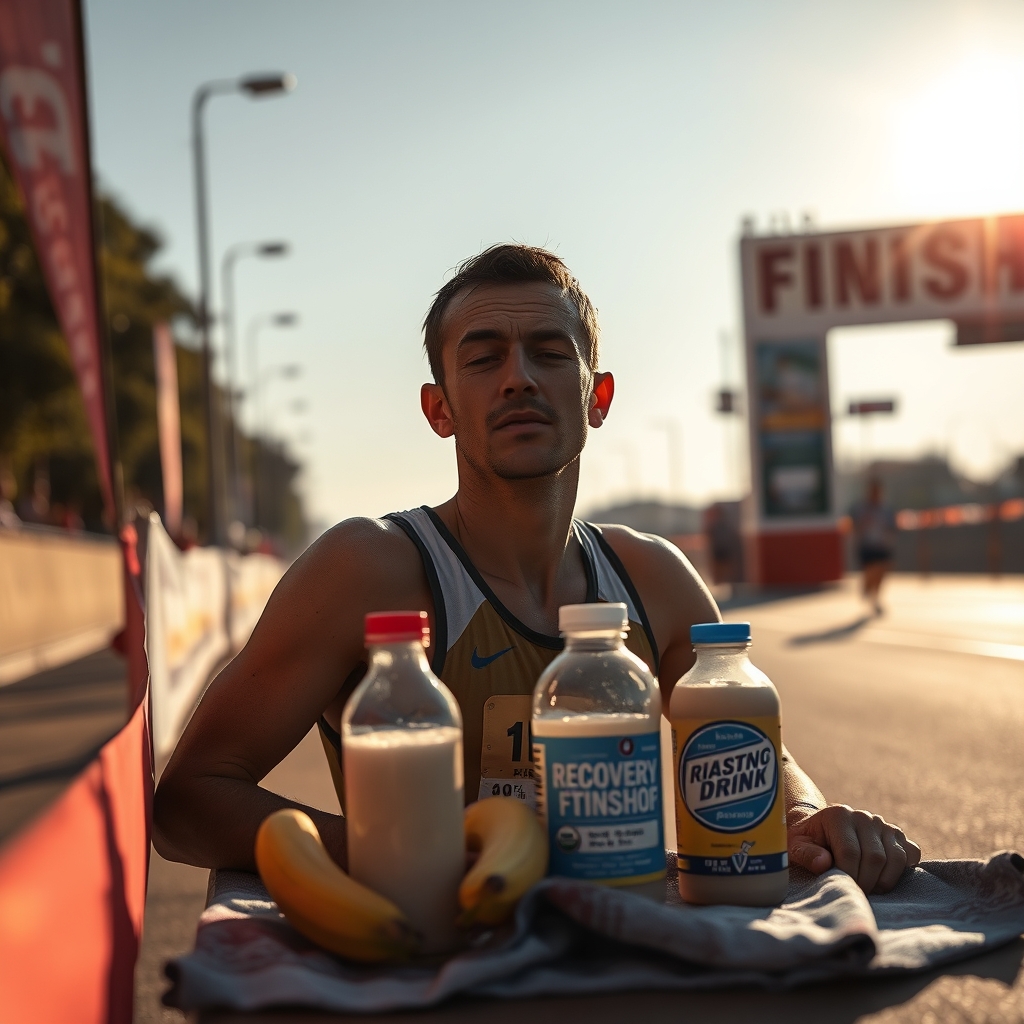
Do you ever make a mistake at a crucial moment, silently telling yourself ‘I must succeed,’ only to feel more anxious and see your technique break down? The anxiety loop often causes even the most prepared athletes to crumble under pressure.
Sport psychology shows that self‑talk, imagery rehearsal, and breathing regulation can reshape the brain’s stress pathways. fMRI studies reveal that positive self‑affirmation lowers amygdala activity and boosts prefrontal‑cortex regulation; visualizing concrete sport scenarios activates the same motor‑cortical networks used in actual execution, creating a neural ‘pre‑performance’.
British shooter Heather Jones, in the months before the Rio Olympics, practiced ten minutes of eyes‑closed visualization each day, meticulously imagining gripping the gun, breathing, and pulling the trigger; she also used the 4‑7‑8 breathing technique (inhale for 4 seconds, hold for 7 seconds, exhale for 8 seconds) to regulate her heart rate. In the final she scored an average of 10.9 per ring to win the gold medal, later saying, ‘Imprinting the motion in my mind through visualization let my body remember what to do, and breathing freed my heart from fear’s grip’.

—— END ——
I found the advice on periodization and recovery sleep especially relevant; I’ve been applying the staggered carb‑loading tip for my weekend runs and noticed less fatigue. However, I wonder how applicable the high‑intensity interval suggestion is for athletes training in hot, humid climates—does the article mention any adjustments for heat stress?
I’ve been trying the sleep‑hygiene tip from the article and saw my recovery improve noticeably after just a couple weeks—definitely worth a shot. The breakdown of each tip is clear and grounded in recent research, though I’d love to see more on how genetics might tweak the protein‑timing advice for different athletes. Solid read for anyone looking to fine‑tune their routine without a major overhaul.
I’ve been experimenting with the recovery nutrition tip from the article—adding a bit of tart cherry juice after my evening lifts. Over the past two weeks I’ve noticed less soreness and my sprint times have edged up a bit. It’s nice to see science-backed advice that’s easy to slip into a routine. Thanks for the clear breakdown!
I found the tip about periodizing recovery weeks really useful—I’ve been trying to plug that into my running schedule and already feel less burnt out. Does anyone have experience combining that with strength training on off days?
Really enjoyed the breakdown, especially the point about periodizing strength work. I’ve been trying to mix in more mobility drills after reading tip #3, and I’ve noticed less soreness after long runs. Thanks for the practical take!
Thanks, AlexCh! Glad the periodization tip clicked and the mobility drills are easing your post‑run soreness. Keep mixing them in — your legs will thank you on those long miles!
I’ve been experimenting with the periodized recovery tip from the article, and adding a couple of active recovery days each week has noticeably cut down my post‑workout soreness. The sleep‑hygiene advice lines up with what I’ve seen in recent sports‑medicine papers, too. Solid, actionable stuff for anyone looking to tweak their routine. Thanks for the clear breakdown!
Hey, solid read! I’ve been tweaking my training around tip #2 (dynamic warm‑ups) and already feel less stiffness during lifts. The bit on tracking HRV resonated—I started using a cheap chest strap and it’s helped me spot overtraining early. Would be cool to see a follow‑up on how to adjust those tips for masters athletes. Thanks for the practical takeaways!
Hey folks, I gave the dynamic warm‑up tip a try during my usual soccer drills last week and felt a noticeable boost in my first‑step speed. The advice on hydration timing also clicked—I’ve been sipping electrolytes 20 min before practice instead of chugging right after, and I don’t get that mid‑session slump as much. Curious though: does the protein‑within‑30‑minutes window work just as well for long‑distance runners, or should we tweak it for endurance focus? Would love to hear what others have found.
Hey, I found the tip about periodization really useful — I’ve been trying to adjust my weekly load based on how my body feels, and it’s helped reduce soreness. Have you guys tried integrating sleep tracking with the recovery advice? Would love to hear if anyone saw measurable gains.
I tried the periodization tip from the article last month and saw my sprint times drop by 0.2 seconds. The advice on hydration timing was spot‑on, though I wish they’d expanded a bit on how individual sweat rates affect electrolyte needs. Overall a solid read for anyone looking to tweak their routine.
Thanks for the tips, especially the recovery part. I’ve tried the breathing drills and they actually help with my sprint times. Would love to see more on nutrition timing.
The article gave some solid, actionable advice—especially the bit about balancing intensity with recovery. I’ve started using a simple log to track my sleep and perceived exertion, and it’s already helped me tweak my weekly load. A quick note on nutrient timing around workouts would have made it even more practical, but overall a good read for anyone looking to fine‑tune their routine.
Really liked the breakdown of recovery protocols — especially the tip about dynamic stretching before lifts. Tried it yesterday and felt less sore today. Thanks for the practical advice!
Really liked the breakdown of recovery strategies—especially the tip about sleep consistency. Tried incorporating the breathing drills before my runs and noticed less fatigue. Thanks for the practical advice!
I found the tip about periodization really useful; I’ve been trying to incorporate more active recovery days and noticed less soreness. Thanks for the clear breakdown!
Really liked the tip about dynamic warm‑ups; I’ve been adding leg swings before my runs and it’s made a noticeable difference. Thanks for the clear breakdown!
I’ve been incorporating the mobility drills from tip #2 into my routine and noticed my recovery feels quicker after tough sessions. Solid advice for anyone looking to tweak their training without overhauling everything.
Really liked the practical advice on pacing and recovery. I’ve been experimenting with the breathing technique during runs and it’s helped my stamina. Thanks for sharing!
I tried the dynamic warm-up routine from tip #1 before my morning run and felt noticeably looser in my hips. Has anyone paired it with the foam‑roller sequence from tip #4? Curious about the combined effect.
Really liked the practical tips on recovery and sleep optimization. I applied the sleep routine last week and felt a noticeable boost in my interval training. Would be great to see a follow‑up on nutrition timing for endurance sports.
Really liked the tip about recovery sleep; I’ve started tracking my naps and noticed better sprint times. Thanks for the practical advice!
Really liked the emphasis on recovery protocols; the tip about periodizing sleep was something I hadn’t considered before. Would love to see more data on how these tips vary across sports.
Really liked the emphasis on recovery sleep; I’ve been tracking my HRV and noticed a big difference when I stick to 8 hours. Thanks for the concrete examples!
I’ve been incorporating tip #2 about dynamic warm‑ups into my routine for the past two weeks and already notice less stiffness during sprints. The article’s breakdown of recovery nutrition was especially helpful—finally a clear ratio of carbs to protein. Thanks for the practical takeaways!
Really enjoyed the article—especially the section on using wearable data to adjust training load. I started logging my sleep and readiness scores last month and it’s made a noticeable difference in my on-field performance. Thanks for the clear, actionable tips!
Really liked the breakdown of recovery strategies; the tip about sleep consistency hit home for me after my last marathon.
Really enjoyed the breakdown on recovery naps—tried the 20‑minute power nap after my last run and felt noticeably fresher for the evening interval session.