
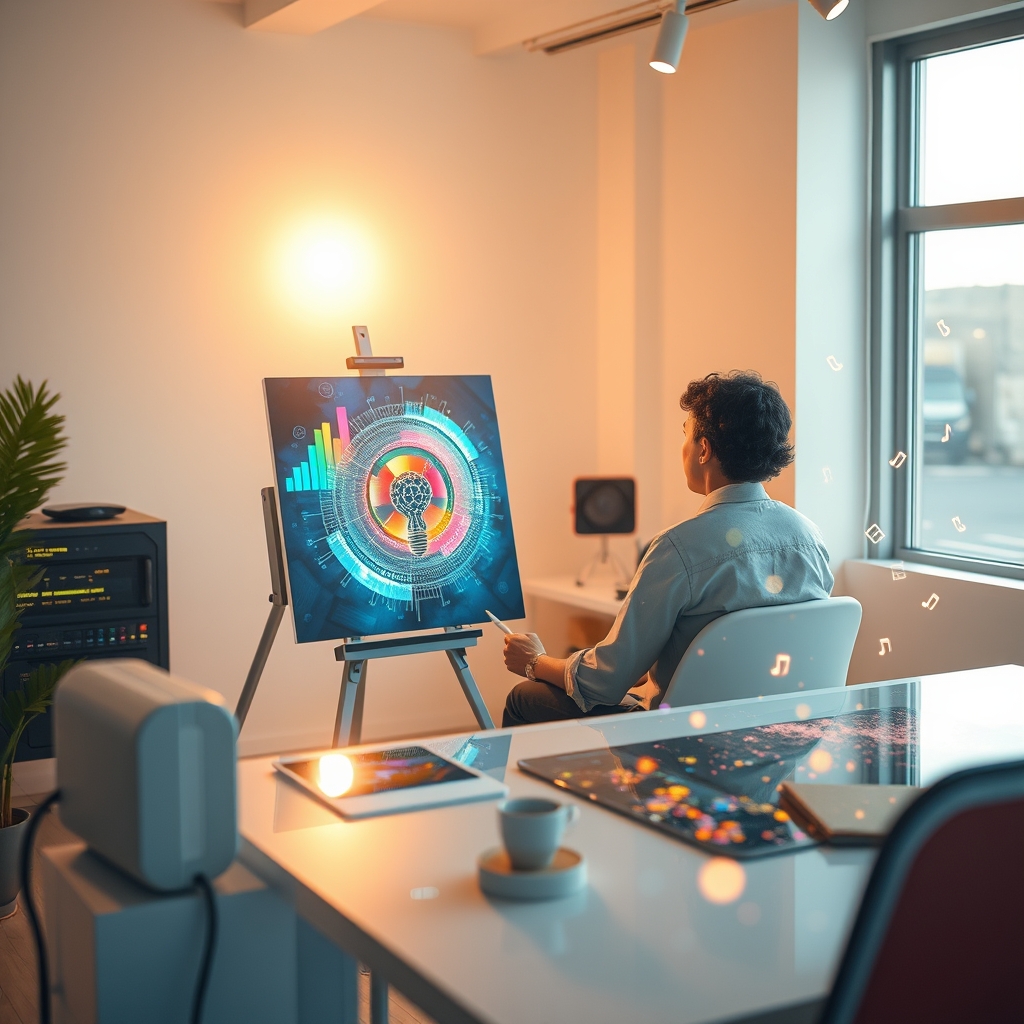
Imagine you spend years honing a brushstroke, only to wake up one morning and see your signature style splashed across a viral poster, the creator listed not as you but as an algorithm that never held a pencil. The sensation is less surprise than a quiet grief, as if a part of your voice has been rented out without consent.
Across the street, a software engineer feeds terabytes of novels, poems, and paintings into a black‑box model, then watches the machine spit out a fresh short story that reads eerily like your favorite author. Who gets to claim that story as theirs? The coder who wrote the code, the corporation that owns the servers, or the countless unseen authors whose words trained the network?
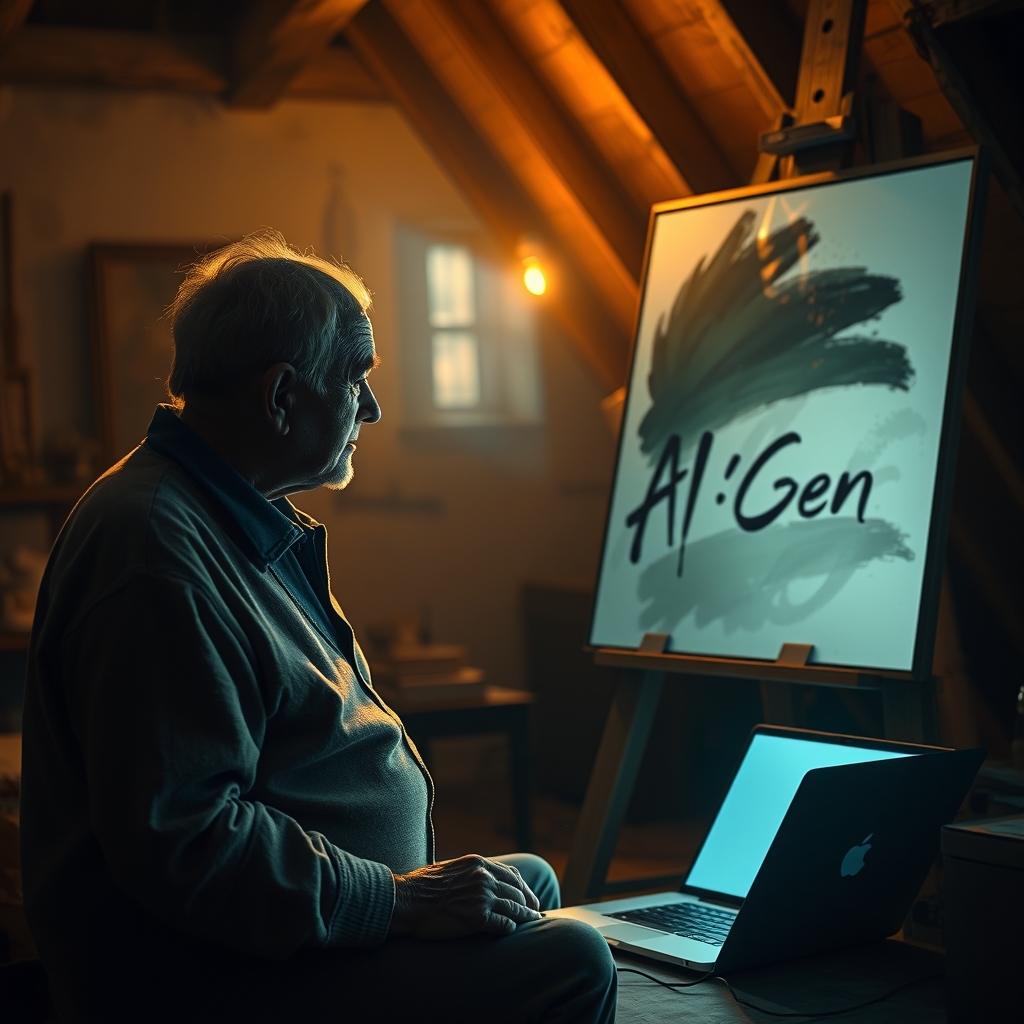
Copyright law was built on a simple idea: the author is the human who translates an idea into a fixed, original expression. From the Statute of Anne to the Berne Convention, the law has always required a human mind behind the work, because only a person can possess the intent and personality that the statute protects.
Yet the Copyright Office has repeatedly refused registration for works generated solely by AI, citing the lack of a human author. The “Monkey Selfie” case showed that even non‑human creators cannot hold rights, and the recent denial of registration to the AI‑generated comic “Zarya of the Dawn” reinforced that stance, leaving a legal vacuum where machine‑made art drifts without an owner.
For illustrators and musicians, the rise of AI feels like a betrayal. They watch their portfolios scraped, their styles distilled into prompts, and then see cheap, AI‑generated imitations flood marketplaces, undercutting the prices they once commanded. The emotional toll is not just financial; it is the erosion of identity, as if the very signature that once said “I made this” is being erased.
Tech firms counter that their models are merely tools, akin to a camera or a synthesizer, and that the data they ingest is publicly available or licensed. They argue that restricting AI would choke innovation, depriving society of new forms of expression that could democratize creativity for those who lack traditional training or resources.
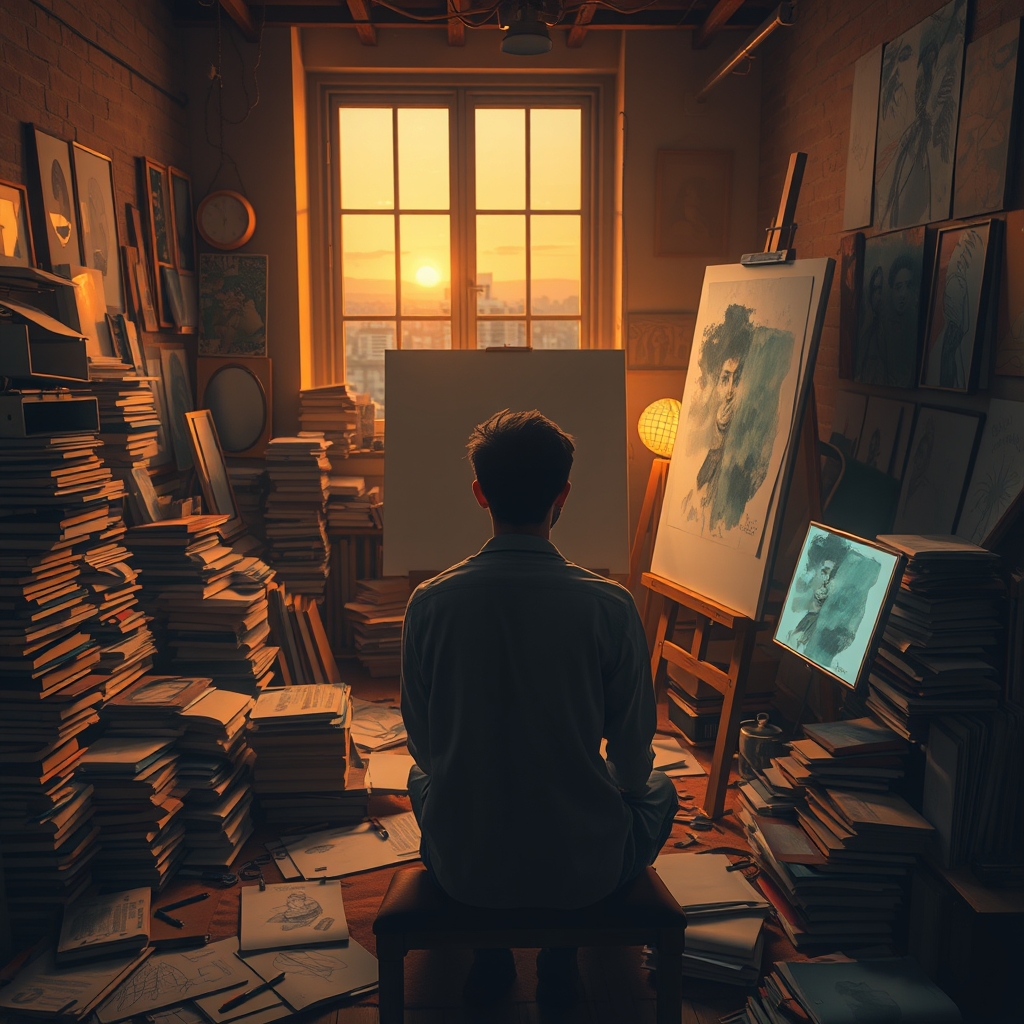
Imagine a future where every novel, every melody, every visual piece is first drafted by an algorithm, and the human creator is reduced to a mere button‑presser. If we allow the law to remain silent, we risk a cultural landscape where originality is measured not by the spark of human imagination but by the size of the training corpus.
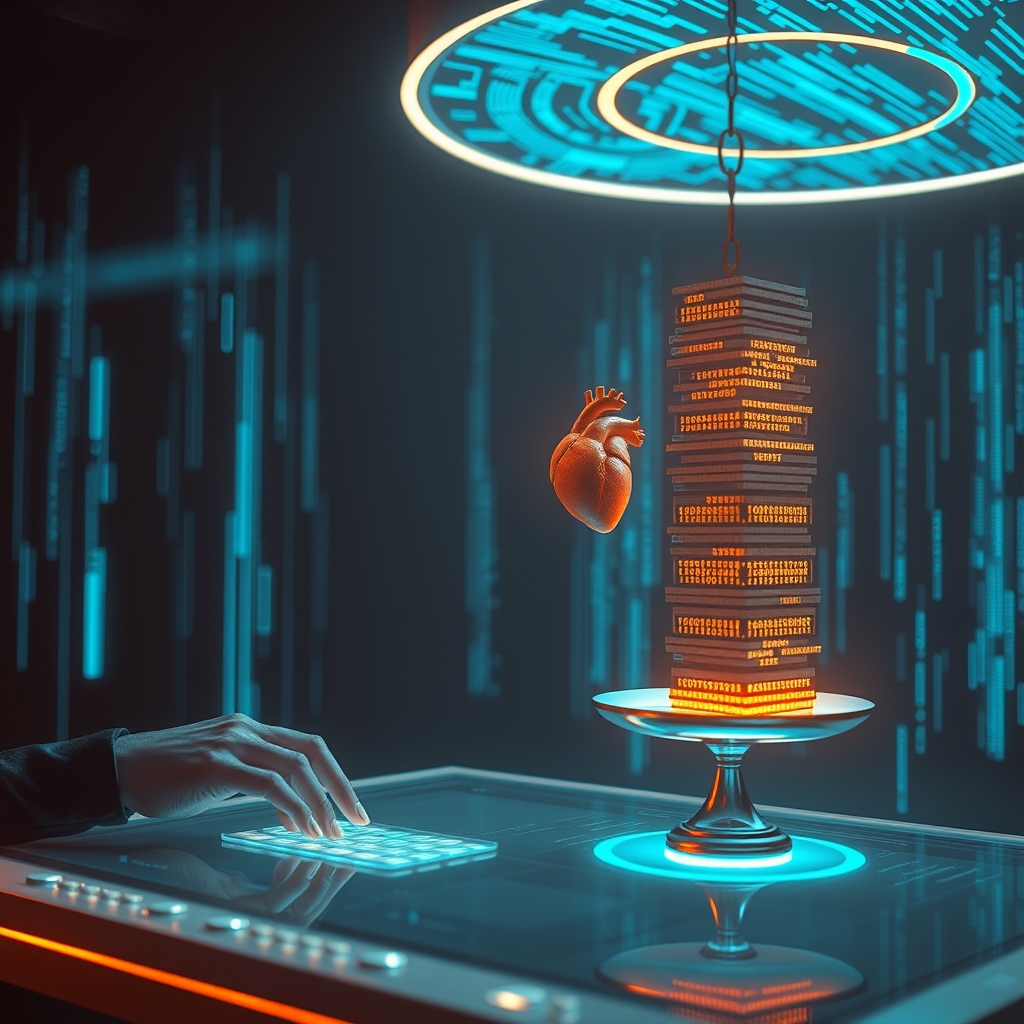
The choice is ours: will we forge a framework that honors both the ingenuity of the machine and the irreplaceable role of the human heart, or will we let the scales tip toward convenience at the cost of soul? The answer will shape not only who owns a file, but who gets to tell the story of what it means to create.
—— END ——
文章指出AI生成内容的版权归属仍是灰色地带,我觉得得看创作过程中人类的介入程度。如果只是提示词,AI贡献大,或许应归属于开发者或平台;但如果作者进行大量修改、选材和后期处理,那人类的创作性占主导,版权应归个人。近期一些司法判例也开始倾向这种“实质性贡献”标准,期待立法尽快跟上。感觉不错。
林子萱说得很有道理,实质性贡献确实是关键,期待更多案例参考。
Yeah, indeed, after reading this I felt a strong resonance. As an illustrator, I ran into a situation last year where AI‑generated art was used in a commercial poster without clear attribution, and the ownership question was really fuzzy. I hope to see more jurisdictions issuing clear guidelines this year that protect creators while still encouraging innovation.
Interesting article – it got me thinking about how AI-generated art is shaking up ownership debates these days. Thanks for the read.
Really interesting piece. I’ve been wrestling with similar questions after using Midjourney for my freelance illustrations. The article nails the tension between user input and model training data. One thing I wonder is how jurisdictions are handling the “prompt as contribution” angle—any updates from the EU or US courts lately? Would love to hear more concrete case examples.
其实我觉得AI生成内容的版权归属问题在于训练数据的使用权,而不是输出本身。如果模型是合法授权的数据训练,那么生成的作品应该归使用者所有,但得注明来源。个人觉得现在的法律还在摸索中,期待更明确的规则。
The piece raises a solid point about the blurred lines between human creativity and AI assistance. I think the law will need to treat the AI as a tool rather than an author, but we also have to consider how much prompting and curation the user contributes. It’s a tricky balance, and I’m curious to see how courts handle cases where the model’s output is heavily edited versus barely touched. Good read—got me thinking about my own workflow with generative tools.
Hey, interesting read. I think the core issue is whether we treat the AI as a mere tool or as a co‑creator. In my own experiments with generative art, I usually list myself as the primary author and add a note about the model used—feels fair and transparent. Would love to hear how others handle attribution in practice. Haha, yeah, nice.
今天是2026年7月6日,读完这篇文章我觉得版权归属确实是个棘手的问题。AI生成的作品虽然是算法输出,但背后还是有大量的人力投入——数据标注、模型调参、甚至提示词的设计。如果完全归到AI方,感觉不太公平;但又要把所有权利完全归给使用者,又可能忽略模型开发者的贡献。期待相关部门尽快出台更细致的规则,既能保护创作者的积极性,也不会阻碍技术的发展。哈,的确,今天就聊到这里,感觉不错。
读完这篇文章觉得很有共鸣,作为一个偶尔用AI写点小剧本的爱好者,版权归属确实是个模糊的地带。希望法律尽快跟上技术步伐,也期待看到更多案例的讨论。
文章提到的版权归属问题确实挺让人头疼的,我觉得目前法律还在摸索阶段,实际操作中更多还是看合同约定。希望能尽快有更明确的规则。
The article raises a good point about attribution, but I wonder how courts will handle training data that includes copyrighted works. It’s a tricky balance.
看到标题想起上个月北京互联网法院判的那个案子,提示词工程师被认定为“类作者”但模型权重贡献度大头归平台。现在甲方合同里都得单独列“AI衍生权条款”,不敢像两年前那样裸奔签协议了。版权局登记系统前几天刚上线“人机协作”新分类,填表填到手抖。
文章提到了AI生成内容的版权归属问题,确实让人思考。我觉得如果把AI当作工具,版权应该归属于使用者或委托方;但若AI本身有创造性,那就需要新的法律框架。期待后续更深入的探讨。
读完这篇文章觉得作者把AI创作和传统创作的界限说得很清楚,尤其是关于训练数据来源的部分让我反思自己平时用的生成工具。
Really enjoyed the deep dive into AI-generated content copyright. The way the author broke down the legal gray areas made me reconsider how I label my own AI‑assisted sketches. Looking forward to seeing how courts evolve on this.
Read the piece during my lunch break and found the discussion on AI‑generated copyright really timely. As someone who does freelance illustration, I wonder how courts will treat the prompt‑engineer’s contribution versus the model’s output. The article raised good points about existing law lagging behind tech, and I hope we see clearer guidelines soon rather than endless debates.
读完这篇文章觉得挺有启发的,尤其关于训练数据来源的部分,让我开始思考自己平时用的AI工具到底是怎么涉及版权的。
Interesting read. As someone who dabbles in both illustration and prompt engineering, I see why the lines blur. The recent Getty Images lawsuit shows courts are already grappling with training‑data rights, but we still need clearer rules on who owns the output when the model’s weights are built on countless works. Hope more jurisdictions follow the EU’s lead soon.
文章把AI生成内容的版权争点讲得挺透彻,尤其是训练数据与用户输入的界限。不过实际操作中,法律还是需要更多案例来进一步明确。自己最近也在用AI做些小设计,真有一种既兴奋又有点无奈的感觉。
Really thought-provoking piece. It’s tricky to decide where the user’s contribution ends and the AI’s output begins, especially when the prompt does most of the heavy lifting. Would love to see how existing copyright law adapts to these cases.
Just finished reading the article on AI-generated content copyright while waiting for the bus. The brushstroke metaphor made me pause—it’s a vivid reminder that the human creative process is still at the core, even when the tool is an AI. It’s clear we need clearer guidelines soon, but for now the debate feels very much alive.
读完这篇文章觉得很有启发,特别是关于现行著作权法如何适用于AI生成作品的讨论。技术发展快,但法律解释仍然滞后,目前需要更明确的司法解释或立法指引来界定权利归属。同时,使用者也应承担审查和标注的责任,不能把所有风险都推给模型开发者。
看完觉得挺有道理的,现在用AI画图写文越来越多,版权归谁确实是个麻烦事。希望立法能跟上技术步伐。
Really enjoyed the piece—makes me think about how current copyright laws are struggling to keep up with AI‑assisted art. It’d be interesting to see if courts start treating the prompt as a kind of collaborative input rather than just a tool.
这篇文章把讨论点说得很清楚,尤其提到训练数据和输出的归属问题,让我想到之前看到的某些案例。不过实际操作中还是得看具体司法解释,期待后续更多实例分析。
读完觉得挺有共鸣的,自己也在用AI辅助写作,但一直不清楚谁拥有最终权利。希望能有更明确的指引,而不是只靠平台条款。