

Consumption downgrade is sweeping the nation, takeout on the table has become simpler, new clothes in the wardrobe are changed more cautiously, and even the frequency of phone upgrades has been lengthened. Facing the dual pressure of income uncertainty and rising prices, consumers are re-examining every expense, drawing a clearer line between necessities and luxuries. While this appears to be a consumption contraction, some companies’ financial reports quietly reveal a surprise of reverse growth.

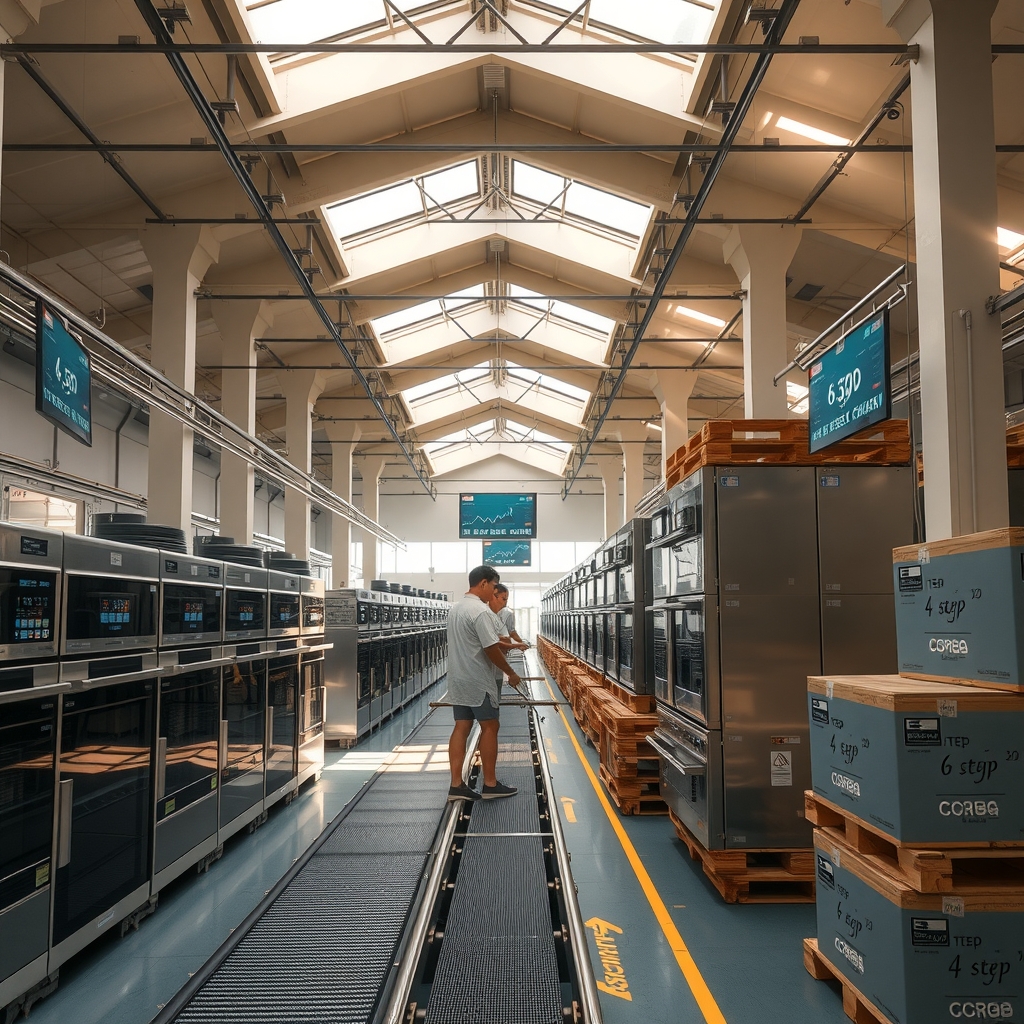
Companies that maintain double‑digit growth even amid the downgrade are not simply slashing prices to attract traffic; instead, they find new growth points through lean cost structures and value reshaping. Take a leading domestic appliance giant as an example: facing channel inventory pressure, it shifted its product line from feature‑stacking to modular customization—consumers only need a basic framework and can add steam‑bake, smart‑control, etc., as needed. This lowers unit cost while meeting tiered usage scenarios. At the same time, the company compressed its supply chain from seven steps to four, boosting inventory turnover by 30%; despite an industry‑wide decline in gross margin, its own margin rose by 2.3 percentage points.
Another typical case comes from the fast‑fashion sector. A well‑known domestic brand, responding to consumers’ shift toward ‘buy less, buy better,’ proactively reduced its SKU count, cutting the seasonal best‑sellers from over 200 styles to under 80, while investing more R&D in wrinkle‑resistant and fade‑proof fabrics. The result: although the average ticket price per item fell by 15%, repeat purchase rate rose by 22%, and annual sales achieved 8% positive growth. This shows that in a downgrade environment, consumers are not abandoning brands altogether; they are raising the bar for value‑for‑money—they are willing to pay for products that truly stand up to use, and that is exactly the opportunity these companies have seized.
The sinking of digital channels and the operation of private‑domain traffic are equally important levers for these companies to achieve reverse growth. In third‑ and fourth‑tier cities, a household‑goods chain uses a mini‑program plus community‑team‑leader model to deliver goods directly to pickup lockers in residential buildings. Not only do they cut logistics costs in the middle links, they also achieve precise reach through team leaders’ personal recommendations. One year of data shows that the share of orders from下沉 markets rose from 18% to 32%, while the average ticket price fell only 5%, and overall contributed profit actually increased by 12%.
On the other side, a SaaS provider serving micro‑ and small‑business merchants actually saw a surge in corporate clients during the consumption downgrade. They broke down the traditional ERP system into functional modules, allowing merchants to purchase only the specific services they need—such as procurement, inventory, and member management—reducing the monthly fee from several thousand yuan to a few hundred. With the usage barrier greatly lowered, the number of new paying merchants doubled in three months, and the renewal rate stayed above 85%, proving that in tight‑budget times, modular, pay‑as‑you‑go service models win market favor.

These successful cases tell us that consumption downgrade is not the end of the market, but the starting point of a value reshuffle. If companies can achieve lean costs without losing flexibility on the cost side, deliver both functional and emotional satisfaction on the product side, and organically combine sinking channels with private‑domain traffic on the channel side, they can find certainty of growth even in what seems a tough environment. Future competition will no longer be just about who has the lowest price, but about who understands how, when consumers’ wallets grow lighter, they can still feel understood, respected, and worthy of investment.
Right now, every entrepreneur reviewing costs can shift their focus from mere cost‑cutting to rediscovering users’ deeper needs. Because in consumers’ wallets, what is truly scarce is not money, but that little warmth and trust that makes them feel it’s worth spending. Once you grasp that, reverse growth is no longer a random flash—it becomes a replicable inevitability.

—— END ——
The takeout stat in the intro tracks with what I’m seeing on the ground. ‘Consumption downgrade’ is a lazy label though — most folks I know aren’t buying less, they’re just refusing the ‘brand tax.’ The companies growing right now (that local coffee chain case study?) figured out value ≠ cheap. It’s ops discipline, not magic.
Solid analysis. The ‘reverse growth’ logic usually boils down to extreme cost control + traffic capture, but retention is where most fail. Seen too many brands burn cash on subsidies calling it ‘growth’. Would love to see the unit economics breakdown for year two.
Reading this made me notice how many local eateries are shrinking portion sizes but keeping prices steady—interesting to see firms trying to grow by focusing on essentials rather than luxury.
Read this while eating a $3 convenience store sandwich for lunch. The part about Manner Coffee’s strategy hit hard — they didn’t just cut prices, they cut SKUs and sped up the line. My local shop dropped the fancy pour-overs last month and nobody complained. People just want caffeine fast and cheap right now. Good breakdown on the supply chain side too, usually overlooked.
Interesting take on how some firms are flipping the script during the downgrade wave. The case studies on value‑focused innovation really resonated with what I’ve seen in local markets.
Really enjoyed reading this piece—seeing how some brands are turning consumption downgrade into reverse growth feels refreshing. It reminds me of the small coffee shop near my place that started offering DIY kits and saw a surge in sales.
I’ve noticed more people opting for budget meal boxes lately, and it’s interesting to see how some brands are flipping the script with premium mini‑packs that still feel affordable. Good read!
Really enjoyed the article’s look at how some firms are turning consumption downgrade into an opportunity by adding small perks and smarter bundling. I’ve seen a few takeout spots here doing exactly that—offering free sides with a minimum order and seeing steady traffic despite the broader slowdown.
Interesting read—seeing how firms pivot to value‑oriented models really mirrors what I’ve noticed in my own spending habits lately. The case studies on localized supply chains were especially convincing.
The article nailed how companies are flipping the script when consumers tighten belts. Saw a similar shift at my neighborhood bakery—now they sell bake‑at‑home mixes instead of just pastries. Solid insights.
Interesting take on how some firms are flipping the script during the consumption downgrade. I noticed a similar trend with local snack brands focusing on value packs. Would love to see more data on the takeout segment mentioned.
Really enjoyed the piece—it’s neat to see how some companies are turning consumption downgrade into an opportunity by doubling down on convenience and quality. My own habits have shifted toward cheaper groceries, but I still treat myself to a good latte now and then, which shows the nuance the article hints at.