

Every song on NetEase Cloud Music labeled ‘healing’ or ‘sad’ is like an unsent love letter, compressed between notes and lyrics. Users’ short comments in the comment section, or their repeated analyses of the melody, form an invisible emotional web that weaves together loneliness, longing, and even unspoken anger into hidden data streams. Meanwhile, at the other end of a spacious desk lies a student’s unsubmitted assignment—the pen tip racing across paper, ink density recording the rhythm of thought, and concealing emotion fluctuations never captured by grading systems. The two are not separate worlds apart, but emotional projections in the same moment, taking different forms.
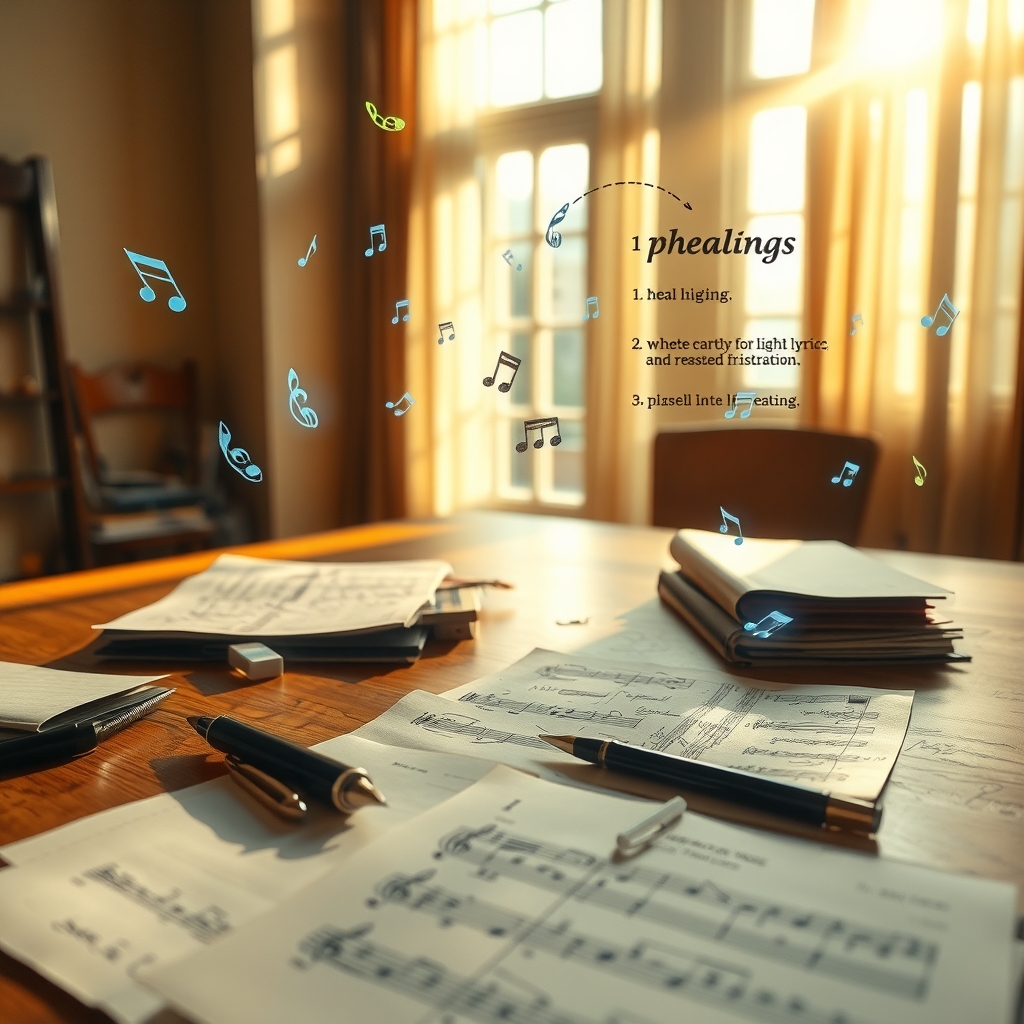
NetEase Cloud Music’s recommendation algorithm is no idle speculation; it employs natural language processing and acoustic feature extraction to locate emotional resonance points within the behavioral patterns of billions of users. When a song is added to a ‘private playlist,’ its analysis report often reconstructs the listener’s current psychological state: insomnia in the dead of night, silent wailing after a breakup, or the re-examination of past regrets. This approach to digital humanities turns invisible emotions into visual labels, helping users find a sense of recognition amid uncertainty. In turn, students’ assignments likewise carry reconstructed emotions. Teachers’ comments, classmates’ comparisons, and varying scores together constitute an informal emotional assessment; students navigate the spaces between lines seeking acknowledgment. Both are individuals seeking validation in the data ocean.
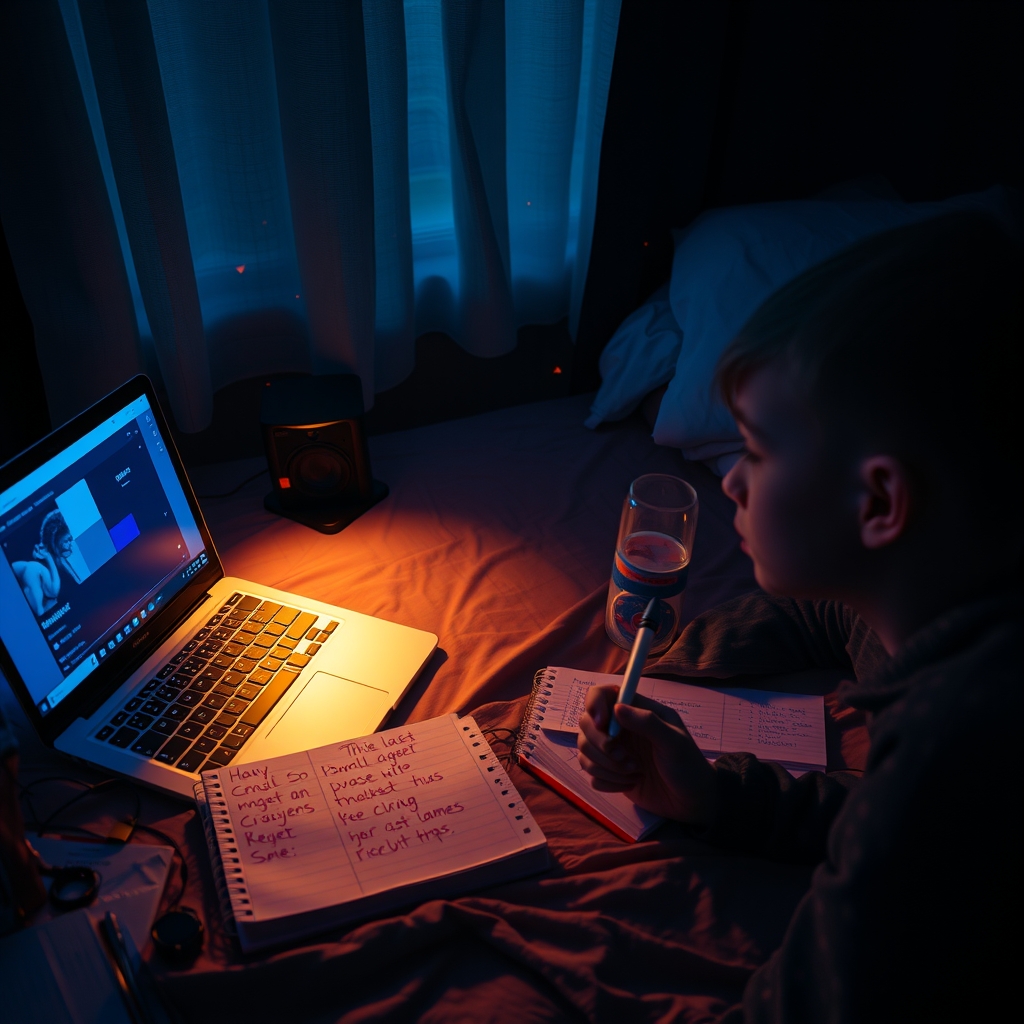
Yet, case decomposition must guard against the risk of over-interpretation. Although algorithms can pinpoint emotional keywords in text, they cannot discern the author’s physiological state at the time—be it fatigue, excitement, or simply weather sensitivity. A student’s pen strokes on paper are tangible, while the emotion in lyrics remains an empty symbol in sound waves. The ethical dilemma of digital humanities lies in balancing precise measurement with respect for the unsaid individual. If assignments are reduced to mere data material, or songs to outlets for emotional release, we lose the essence of humanistic care: behind every symbol lies a specific, living person struggling away.

— END —
Interesting take on the ‘healing’ label taxonomy. We did something similar analyzing comment sentiment on QQ Music last semester but the assignment angle is fresh. Also, timing this post on 11.11? Chef’s kiss. The data must be chaotic right now.
Interesting methodology. I tried something similar last semester with Weibo posts for a sociolinguistics seminar — the noise cleaning took forever. Did you guys hit a wall with the ‘healing’ tag being used ironically? That skewed our sentiment scores badly until we built a context filter. Also, 11.11 sale playlists are gonna mess up next quarter’s baseline data, just a heads up.
Solid methodology section. I tried scraping Netease comments last year for a seminar paper and the noise ratio was insane—especially those ‘healing’ playlists where half the comments are just copy-pasta lyrics. How did you filter the bot spam vs genuine emotional venting? Also, timing this right before finals week explains the spike in ‘stress’ tags lol.