
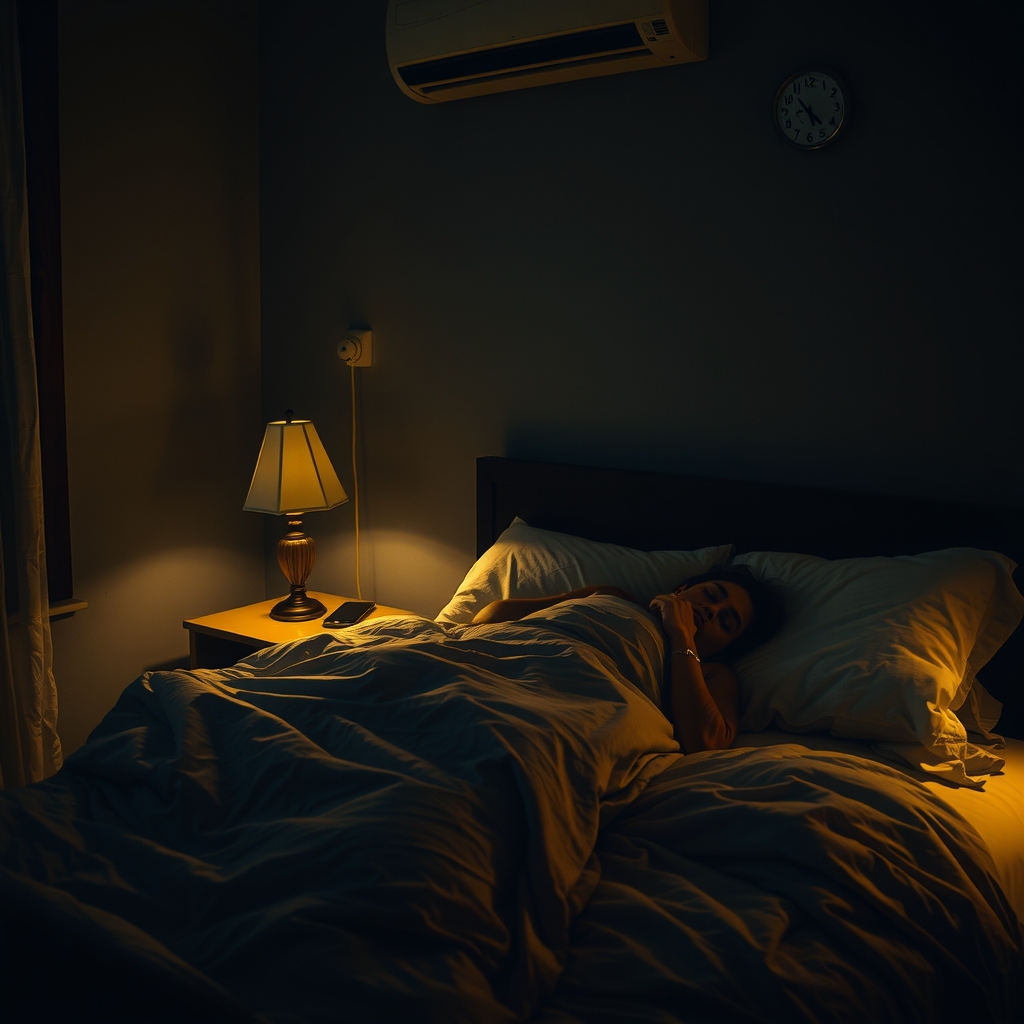
In the late-night quiet, with dim yellow lighting, only the hum of the air conditioner and the tick of the clock can be heard. You lie in bed, after your phone goes dark, your mind keeps magnifying today’s details—a colleague’s glance, a stranger’s rush, the fatigue reflected in the mirror. This silence isn’t relaxation; it’s being forced to confront the emptiness inside.
Physiologically, night is the turning point when melatonin rises and cortisol falls. When stress accumulates, the self‑regulation system becomes imbalanced; the prefrontal cortex’s ability to inhibit emotions weakens, and the limbic system is more readily triggered by negative memories. The restorative state turns into an emotional amplifier.
Psychologically, emotions suppressed during the day find an outlet at night. Unfinished work, unspoken apologies, fears about the future—all get magnified when there’s no one around to disturb you. You’re not sad about any particular thing; you mourn the feeling of losing control—feeling tightly wrapped by the night’s silence, unable to break free.
The first sign of emo is a bodily heaviness: your chest feels as if pressed by a damp, heavy cloth, breathing becomes shallow and quick, and your eyes water. Even if you don’t cry, the urge to cry but being unable to—a suffocating pressure—already signals a short‑circuit in your internal regulation system.
On the cognitive level, emo manifests as a rumination loop—repeatedly magnifying the same thing, details blown out of proportion, while solutions are ruled out. The default mode network is hyperactive, like a projector continuously replaying past failures and future uncertainties; you’re stuck in the playback, unable to find a pause button.
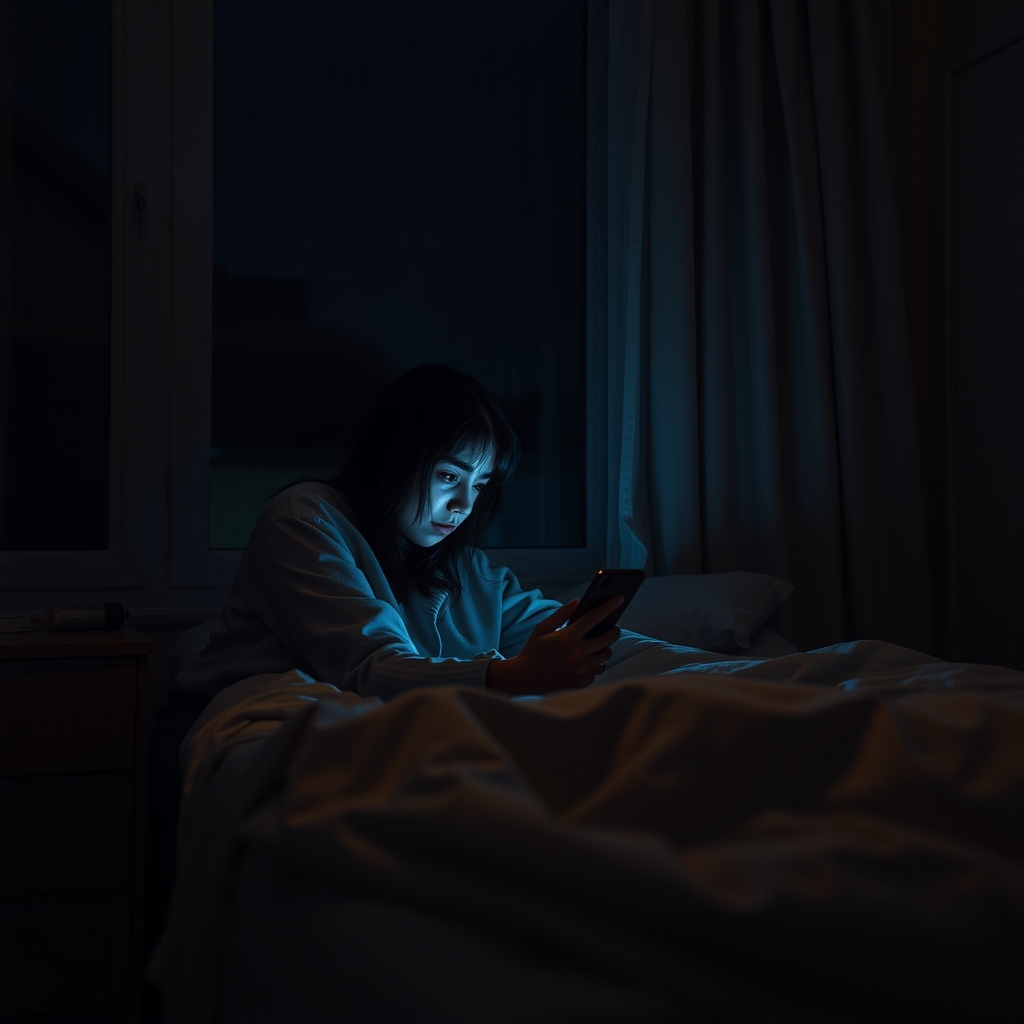
Late‑night scrolling on social media acts like an accelerator. Seeing others’ carefully curated nightlife or motivational posts only sharpens your own sense of emptiness. The comparison doesn’t generate motivation; instead, it fuels the self‑critique ‘I’m not good enough,’ which echoes in the night and unintentionally turns up the volume of emo.
After noticing the signals, the most direct approach is to bring your attention back to present‑moment sensations. Try the 5‑4‑3‑2‑1 exercise: name five things you see, four you can touch, three you hear, two you smell, and one you taste. This forces the brain to switch from the default mode to the sensory channel, temporarily lowering emotional intensity.
Breathing can also quickly reset the autonomic nervous system. Try box breathing: inhale for four seconds, hold for four, exhale for four, hold again for four; repeat four to six cycles. Balanced inhales and exhales send a safety signal to the torso, lowering the sympathetic alarm and letting the parasympathetic system lead relaxation.
If the feeling lingers, do a tiny bit of movement—stretch your arms, roll your neck, or go to the kitchen and pour a cup of warm water, feeling the weight of the cup and the temperature of the water. Though these micro‑actions seem trivial, they send proprioceptive feedback to the brain: ‘I’m still here, I still have some control.’

To reduce emo at its root, sleep hygiene is the foundation. Keep a fixed bedtime, avoid blue light for an hour before sleep, keep the bedroom temperature at 18‑20 °C, and use blackout curtains. These details directly affect melatonin release, making it easier for the body to enter deep recovery and diminishing the soil for night‑time emotional swings.
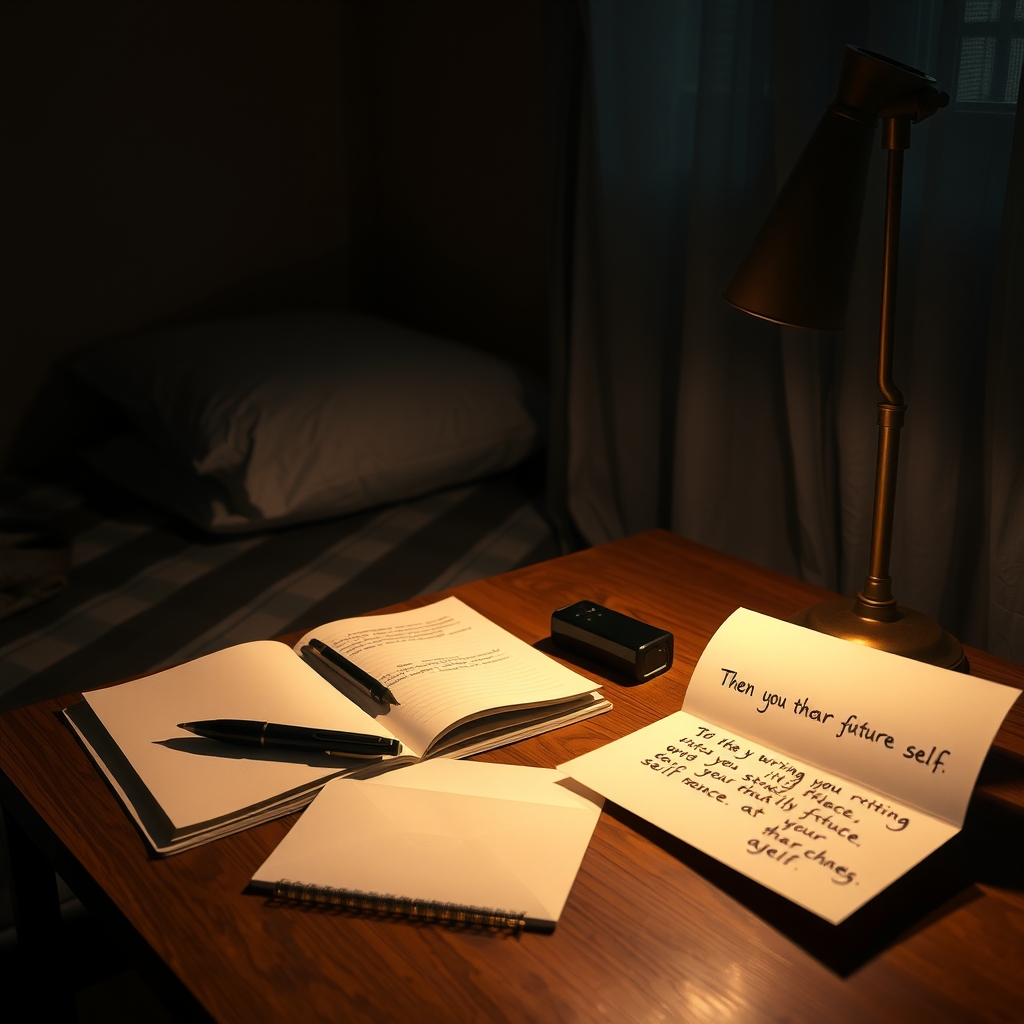
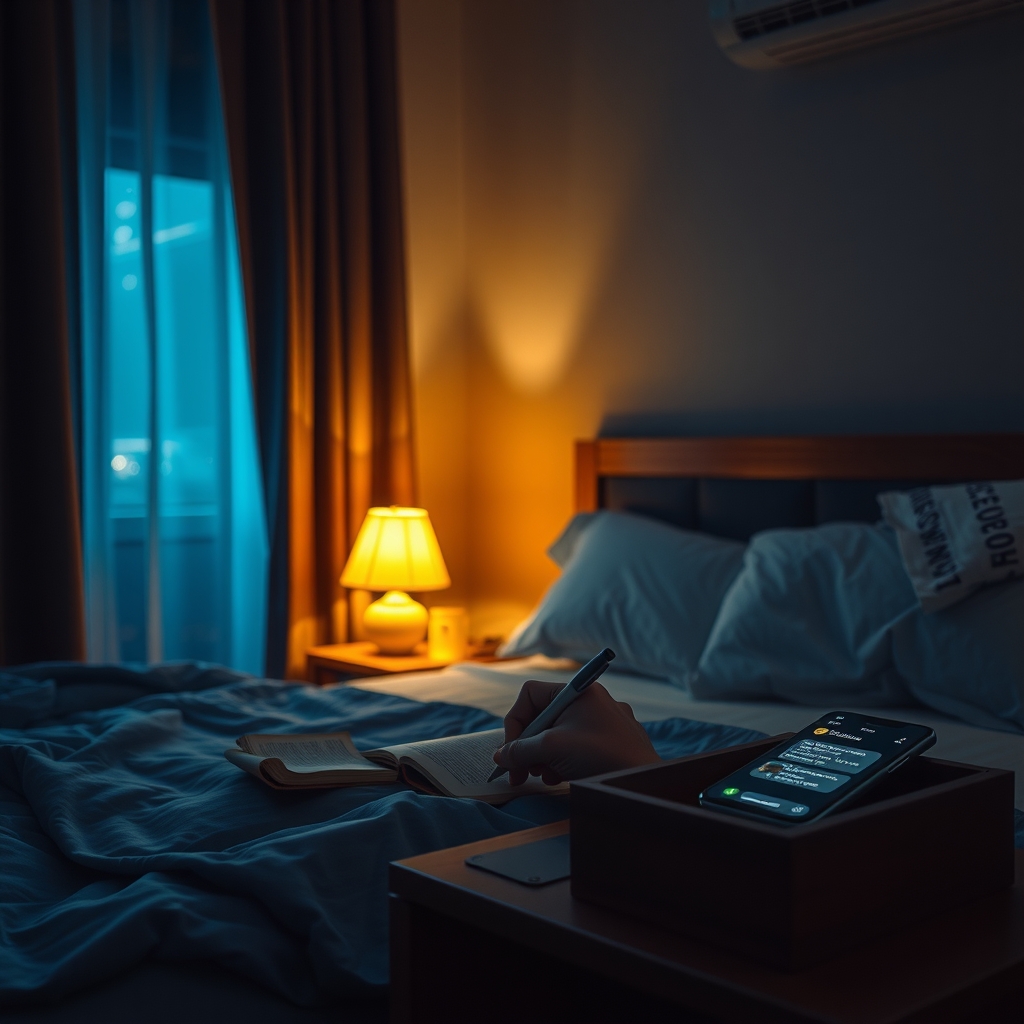
Establishing a dedicated nighttime ritual can serve as an emotional buffer. Ten minutes before bed, write down three small things that gave you a sense of satisfaction today—maybe ‘enjoyed a good sip of tea’ or ‘finished a stretch’—then take three deep breaths, imagining you’re putting today’s worries into a box and closing the lid. The ritual shifts focus from problems to resources, allowing the brain to have completed an emotional tidy‑up before sleep.
Finally, don’t go it alone. Even late at night, you can send a brief message to a trusted friend or join an online interest group to share how you feel. As social beings, a simple reply can lower the physiological marker of loneliness—cortisol levels. Remember, seeking help isn’t weakness; it’s a responsible investment in your own quality of life.
—— END ——
I really related to the part about dim yellow lighting making thoughts feel heavier; I usually turn on a soft playlist and stretch for a few minutes, which helps shift the mood. Thanks for the practical tips!
Really liked the bit about using soft lighting to shift mood—reminds me how a warm lamp can pull me out of those late-night thoughts. Thanks for the practical tip!
The “dim yellow lighting” detail hit hard. That specific glow makes everything feel heavier at 2 AM. Tried the cold water face splash trick last week — works better than scrolling for an hour. Thanks for writing this down.
Really liked the quick grounding exercise you shared—tried the 4-7-8 breath last night when I was feeling stuck in a low mood after work, and it actually helped shift things. Thanks for the practical, night‑time tips!
I tried the breathing tip last night when I felt stuck in my thoughts; the soft lamp really helped shift my focus. Thanks for the practical steps.
Really liked the part about using soft yellow light to shift mood—simple but effective. It reminded me of those nights when a small change in environment can make a big difference.
I tried the cold‑water splash trick last night while feeling low, and it actually snapped me out of the spiral. Simple but effective—thanks for sharing.
Solid list. The ‘change environment’ point is underrated—just moving from bed to the floor or kitchen breaks the physical feedback loop better than any mental trick.
I really felt that the dim yellow light part hit home; sometimes just stepping outside for a minute of fresh air helps me shift out of that emo loop.
The “cold shower” tip actually worked for me last Tuesday. 2 AM, mind racing, stood under freezing water for 2 mins. Shocked the system enough to shut the brain up. Sleep came fast after. Thanks for writing this down.
Really liked the suggestion to keep a small journal by the bedside; I scribbled a few lines last night and felt the mood lift a bit.
I tried the breathing trick they mentioned last night and it actually helped calm my thoughts. Thanks for sharing practical steps that feel doable at 2 am.
The suggestion to keep a small notebook by the bed worked for me last night; jotting down thoughts eased the heaviness.
I tried the breathing tip last night and it actually helped shift my mood. Thanks for the concise advice!
Seems relatable, especially the part about dim lighting. Thanks for sharing.
Read this while trying to unwind after a long day; the tip about turning off screens and listening to rain really helped me shift my mood. Thanks for the short, practical advice!
I tried the breathing exercise mentioned in the post last night and it actually helped me shake off that emo feeling. Simple but effective—thanks for the tip!
I read this late night with the lamp dim, and the tips about grounding helped me shake off that heavy feeling. Thanks for sharing!
Just finished reading this at 2 am with a dim lamp on. The quick breathing trick really helped me snap out of that emo feeling. Thanks for the short, practical tips!
Really liked the tip about using a warm drink to shift mood; I tried it last night and it helped calm my thoughts. Thanks for sharing.