
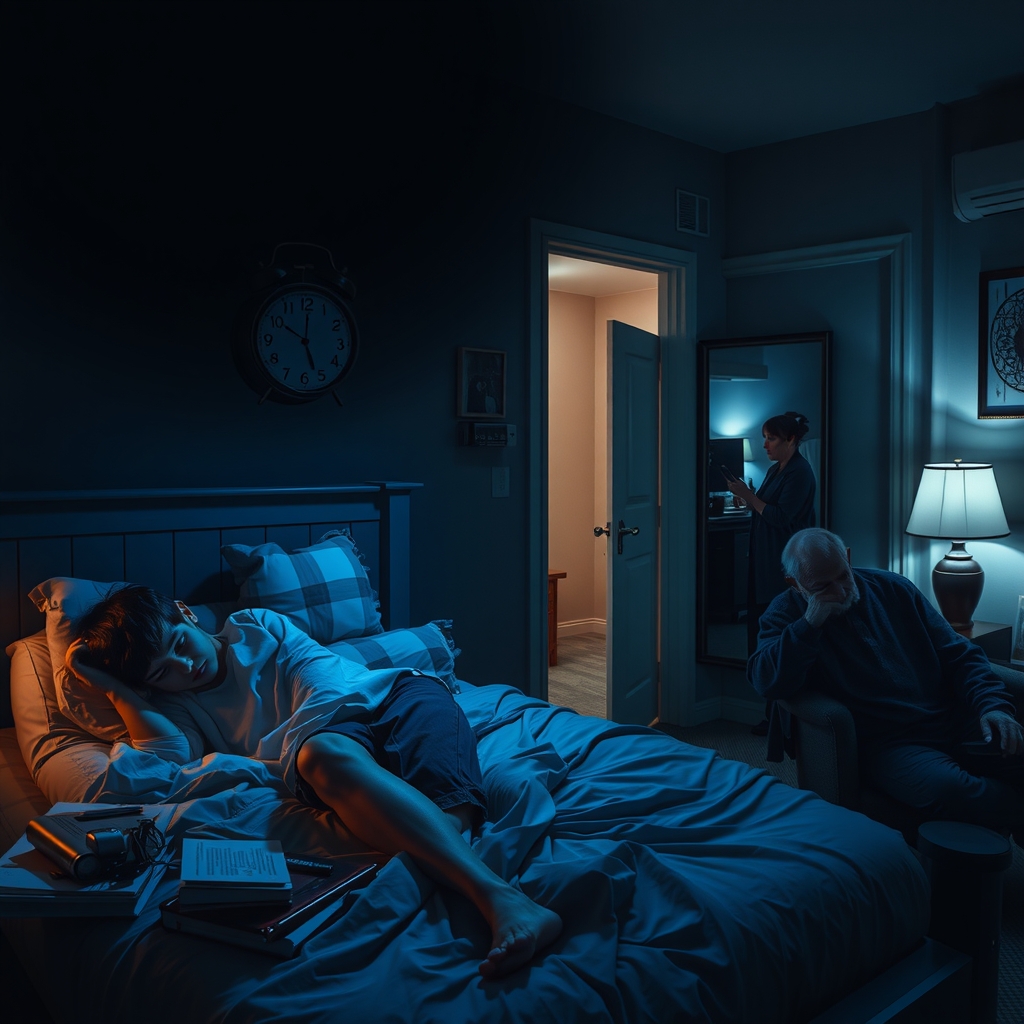
Have you ever found yourself scrolling through short videos, only to look up and realize two hours have passed, while new clips keep popping up on your phone screen? That feeling of ‘I just wanted to watch five minutes, but somehow it got stretched out’ isn’t a sign of weak willpower—it’s your brain being quietly hijacked by a finely tuned reward system. Short‑video platforms are more than mere entertainment tools; they tap into humanity’s most primal survival drive—the pursuit of uncertain rewards—turning our attention into their most precious currency.
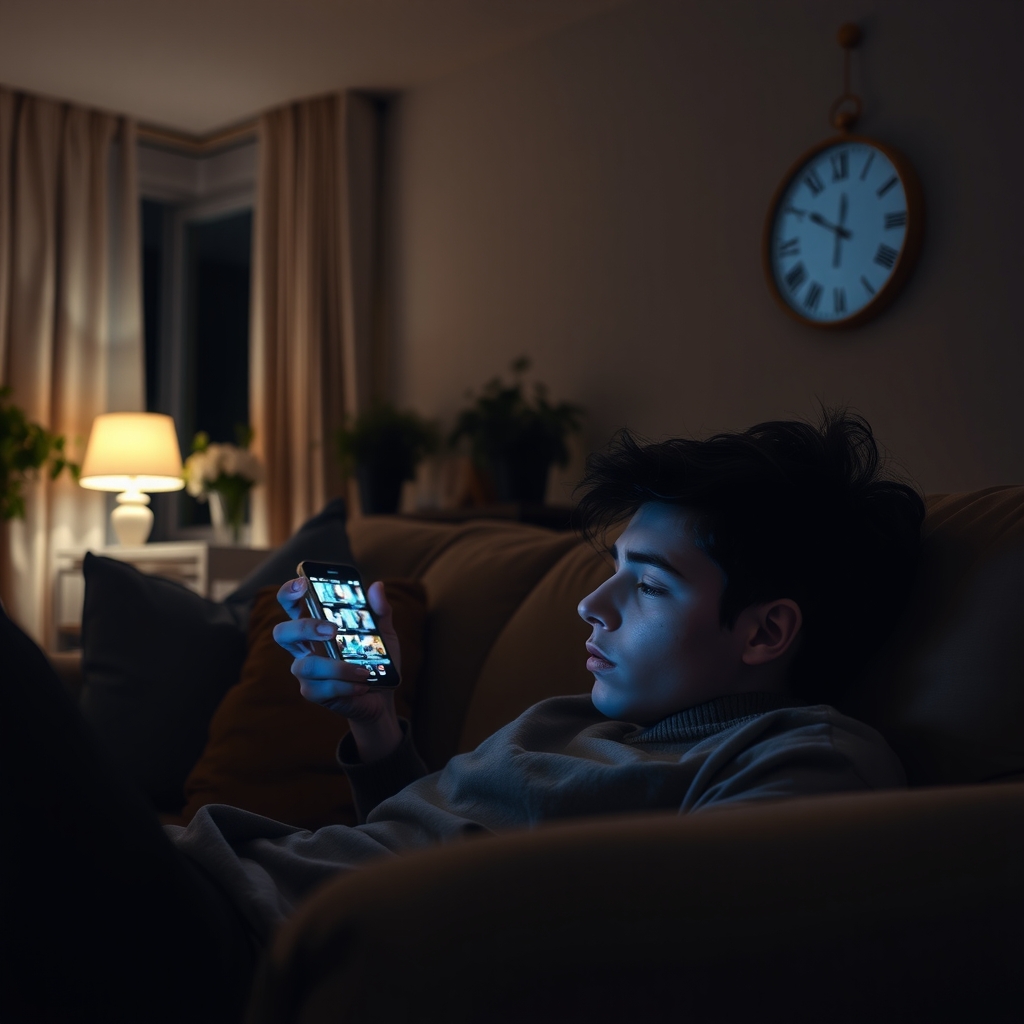
When you see a video that catches your eye, the brain’s ventral tegmental area (VTA) releases dopamine into the nucleus accumbens—a neurotransmitter that is the core carrier of ‘pleasure’ and ‘anticipation’ signals. Scientists have found that the rapid switching rate of short videos creates an unpredictable ‘surprise’—sometimes a funny clip, sometimes a cooking tutorial, sometimes a sudden heart‑warming story. This variable‑ratio reinforcement is the same mechanism that underlies slot‑machine and gambling addiction, making the brain anticipate ‘maybe the next one will be better’ with each scroll, continually releasing dopamine and reinforcing the repetitive behavior.
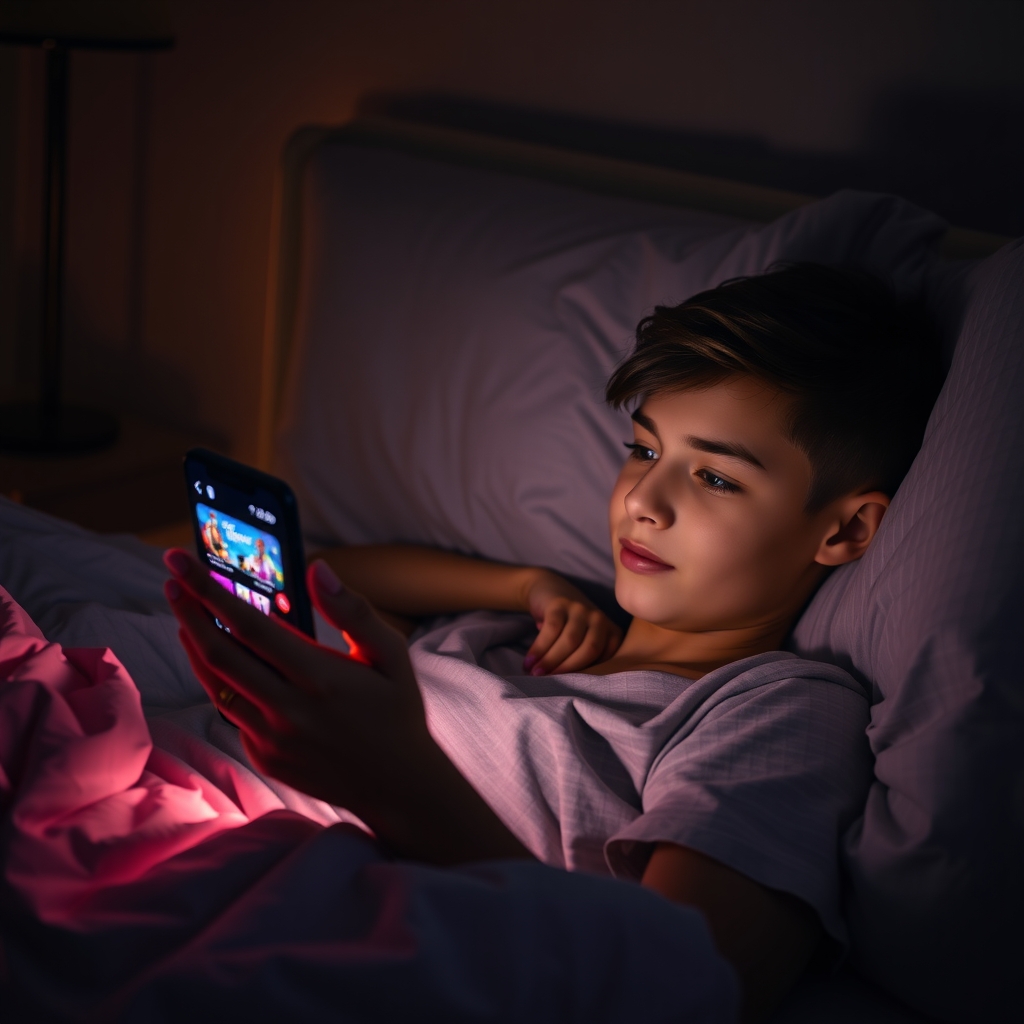
Platform designers have long understood this. The endless‑scroll feed, auto‑play of the next segment, and recommendation algorithms based on your past clicks, watch time, even blink frequency, form a closed‑loop ‘scroll‑reward‑scroll’ cycle. Every light upward swipe is a bet; every moment of pause is a win. The algorithm not only serves up the content you like, but also deliberately places slightly unfamiliar yet sufficiently captivating material at the edge of your interests, keeping your curiosity in a half‑starved state—that’s the key to why you can’t put it down.
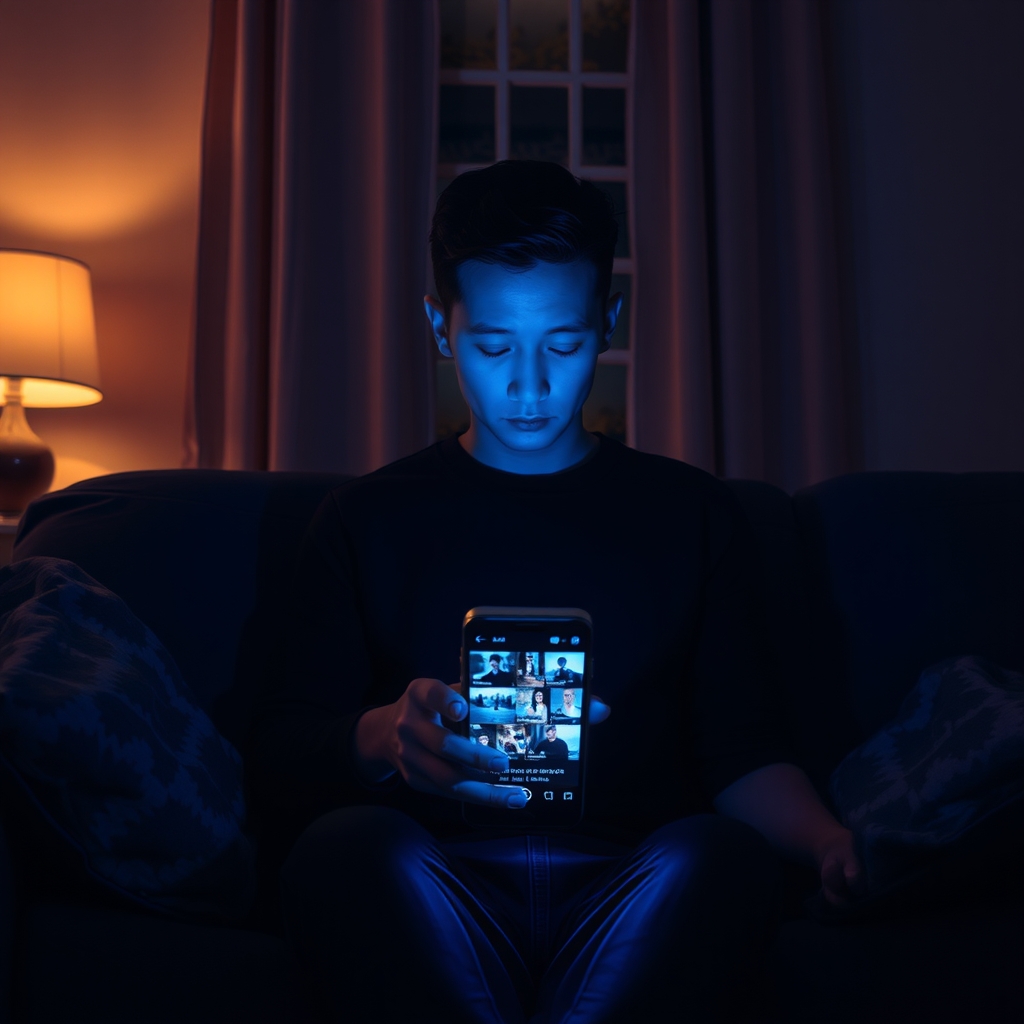
Beyond the neural allure, short videos also strike deep at our social needs. Likes, comments, and shares—these instant feedback signals are read by the brain as signs of social approval, activating regions tied to belonging. When your video racks up thousands of likes, your sense of self‑worth gets a brief boost; but when the content sinks and interaction dwindles, feelings of loss and anxiety creep in, creating a vicious cycle: ‘get a reward and you want more, don’t get one and you become even more anxious.’ Over time, you start seeking self‑validation in the scroll rather than building genuine connections in real life.

—— END ——
The article really nails how the reward loop works; I noticed myself checking timestamps after each swipe. Good mix of science and everyday observation.
I found the explanation about dopamine loops really convincing; it matches my own habit of checking TikTok during work breaks. The bit about variable rewards hit home—makes me think about setting timers.
The dopamine hijack argument makes sense, but I’d love to see more on how these videos mess with sleep cycles. I’ve caught myself scrolling past midnight too often lately.
Hey Leo I’ll cover sleep effects soon — tips coming.
Really interesting read—especially the part about dopamine loops. I’ve noticed myself checking TikTok between work tasks, and it’s useful to see the neuroscience behind it. Thanks for breaking it down.
Really got me thinking about my own scrolling habits. The dopamine explanation makes sense; I’ll try setting a timer after lunch.
Really enjoyed the breakdown of how short-form apps hijack the reward system—makes me think twice about my own TikTok binge during lunch breaks. The bit about variable rewards was spot on.
Really appreciated the breakdown of dopamine loops; I noticed myself checking TikTok every 10 minutes after reading this. Makes me want to set a timer.
The dopamine loop explanation hit hard. I caught myself doing the ‘just one more’ thing at 2 AM last night, woke up feeling like trash. Deleted TikTok/Reels off my phone this morning, kept only YouTube for tutorials. Let’s see how long I last before the withdrawal kicks in.
Really insightful piece. The dopamine hijack explanation lines up with my own binge‑watching habits on short‑form apps. I’d appreciate some practical tips on breaking the cycle in a follow‑up.
I found the section on dopamine loops really convincing; I’ve noticed myself checking TikTok every few minutes during work breaks. It’s helpful to see the neuroscience explained plainly.
Really liked how the piece breaks down the dopamine loop behind endless scrolling. I’ve noticed myself checking TikTok reflexively during work breaks, and seeing the neuroscience behind it makes me more aware. Would love to see some actionable strategies to curb the habit in a follow‑up.
I found the article really insightful—especially the part about how variable rewards trigger dopamine loops. I’ve noticed myself checking TikTok more often when I’m bored, and it’s good to see the brain mechanisms laid out so clearly. Thanks for sharing!
Really insightful read on how short videos hijack attention; I noticed myself checking TikTok more after reading this—good reminder to set limits.
Interesting read. I noticed how the dopamine loops described match my own experience with TikTok. The section on variable rewards was especially enlightening. Thanks for breaking down the neuroscience.
Interesting read—really made me notice how I keep reaching for my phone during breaks. The dopamine loop explanation clicked for me. Thanks for breaking it down.
I read this while waiting for my coffee this morning—spot on about how the endless swipe triggers dopamine loops. I’ve noticed myself losing track of time on reels lately; the bit about variable rewards really clicked. Thanks for the clear breakdown.
The piece does a good job linking dopamine loops to design choices; I wonder if they also considered the role of autoplay vs manual swipe.
Really insightful piece—especially the part about dopamine loops. I’ve noticed the same pull when I’m waiting for a bus; it’s scary how quickly the habit forms.
The piece does a good job linking dopamine loops to short‑video design. I noticed the same urge to keep swiping after just a few minutes, especially when the algorithm serves novelty. It would be interesting to see if interventions like scheduled breaks actually reduce the compulsive pull.
Really interesting take on dopamine loops; I noticed myself checking TikTok after reading this and felt the urge to put my phone down. Thanks for the clear explanation.
Really insightful breakdown of the dopamine loops; I noticed myself checking TikTok less after reading the section on variable rewards. Thanks for the clear science.
Really interesting read, especially the part about dopamine loops. Made me think about my own scrolling habits.