

Microsoft Research 2026 Frontier Watch: AI Revolution at the Crossroads of Human Future
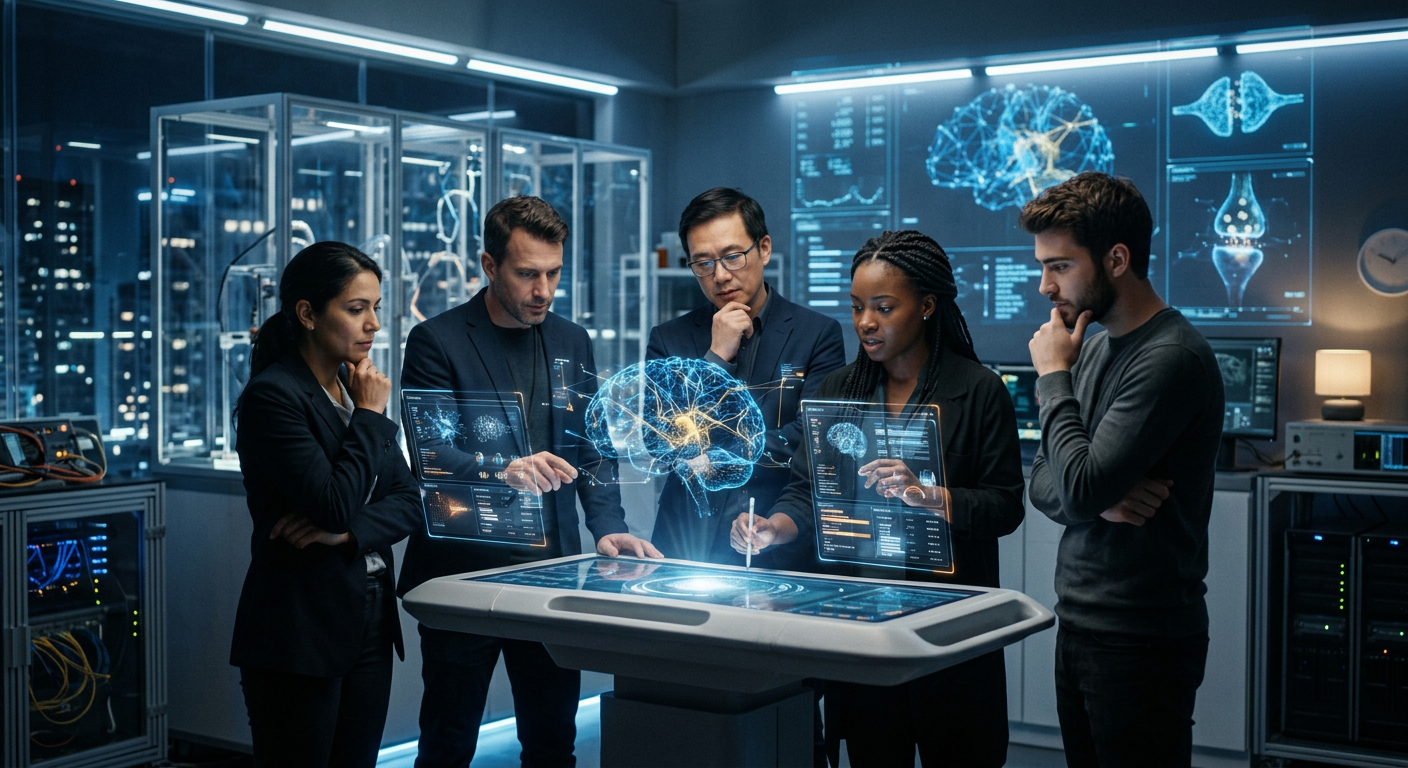
In 2026, standing in the exhibition hall of Microsoft Research, facing the wall covered with displays, what surged within me was not awe for technology, but a profound sense of worry. What these screens showcase are the latest breakthroughs in artificial intelligence—from self-learning neural networks to generative AI that can create realistic virtual worlds. Yet behind this dazzling brilliance, I see human civilization standing at a crossroads, facing unprecedented choices.

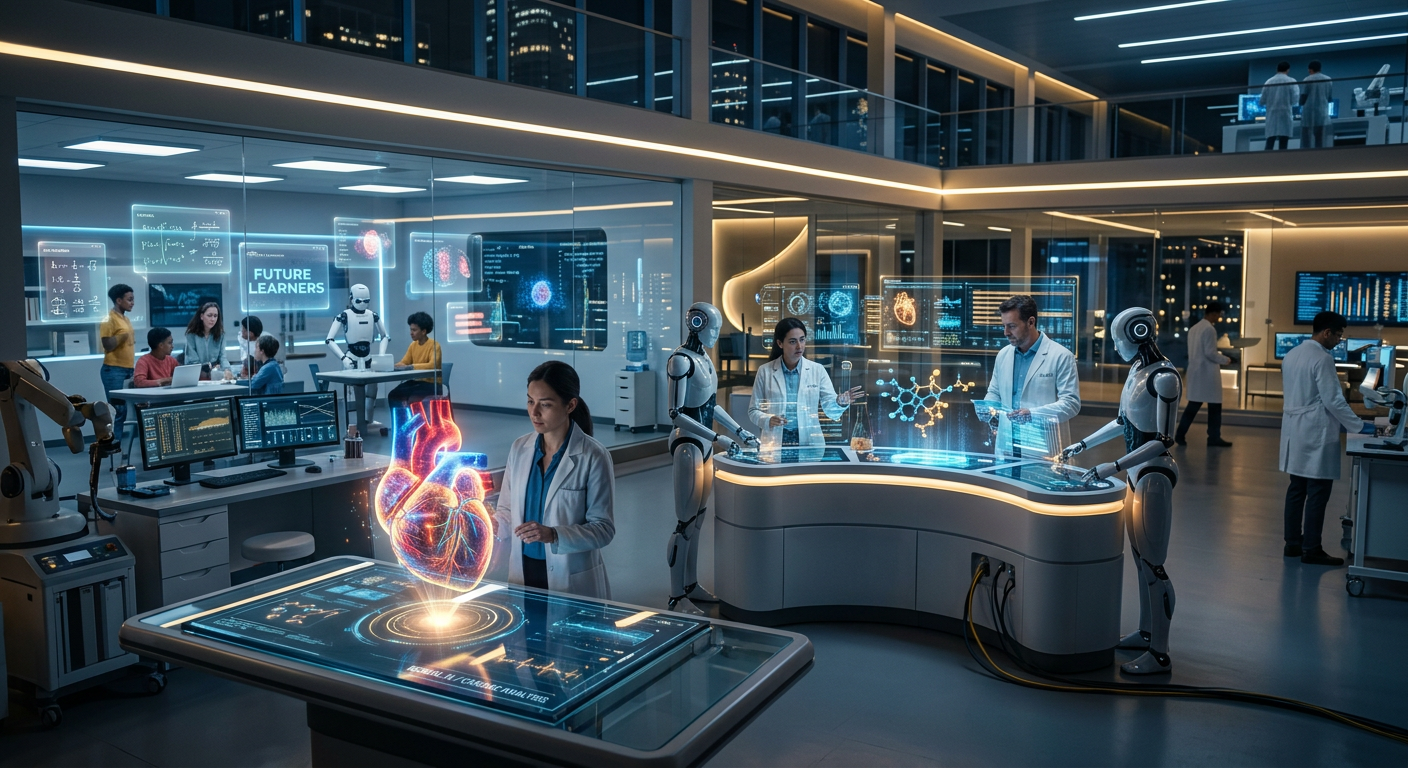
The rapid development of artificial intelligence undoubtedly brings unprecedented opportunities to humanity. In the medical field, AI can predict disease occurrence and provide personalized treatment plans by analyzing massive amounts of data; in education, AI can tailor teaching content according to students’ learning situations, ensuring every child receives the best education. These advances allow us to envision a more beautiful future. However, we cannot ignore the challenges brought by AI. As AI continues to develop, more and more jobs will be replaced, and a large number of human laborers will face the risk of unemployment. This is not just an economic issue, but a challenge to human dignity and value.
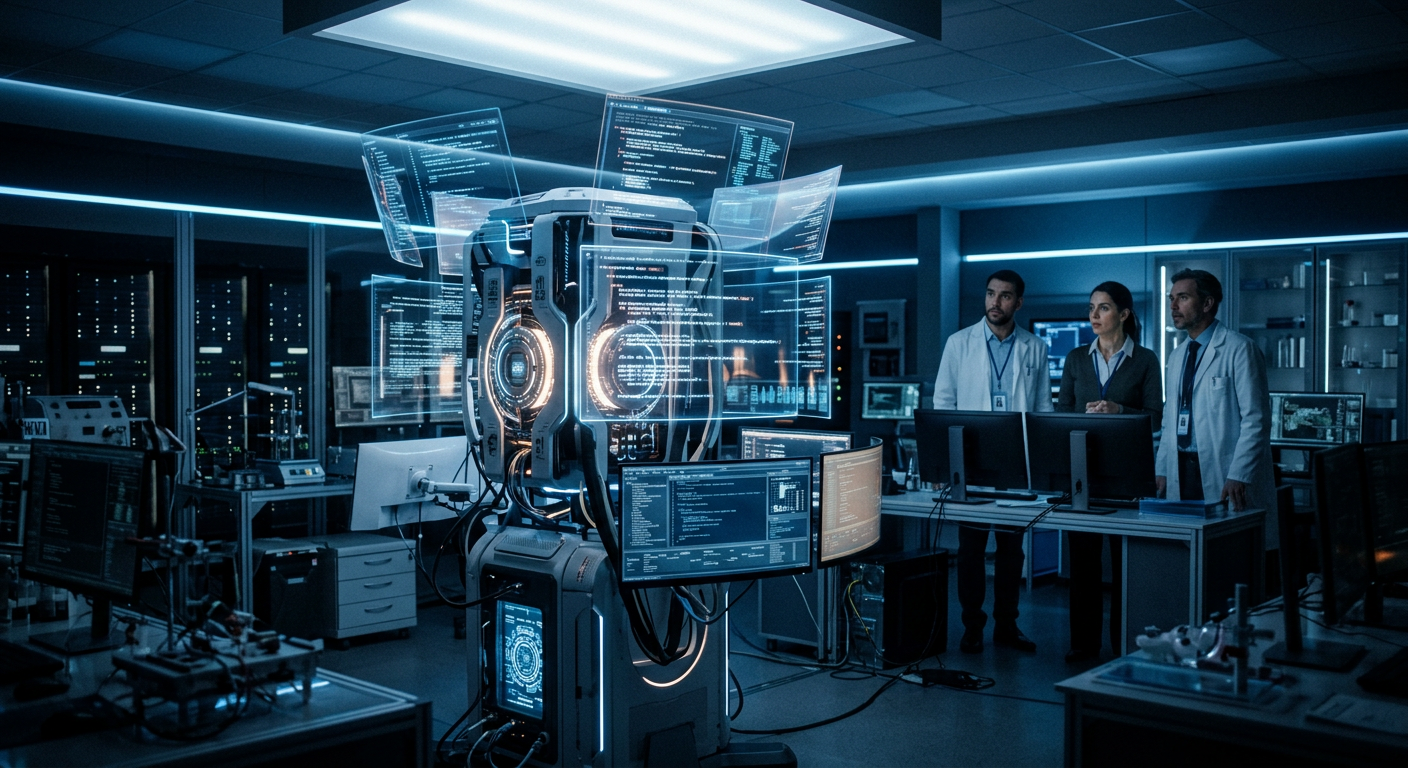
In the laboratory of Microsoft Research, I witnessed a shocking scene: an AI machine was autonomously writing code, and this code would be used to develop more advanced AI systems. This made me wonder: when AI begins to self-iterate and evolve, can humans still control their own destiny? If one day, AI intelligence surpasses that of humans, how can we ensure they won’t view humans as a threat and take action to protect themselves? These questions are not just technical issues, but fundamental issues concerning the survival and development of humanity.
—— END ——
Honestly, every tech giant claims they’re redefining our existence by the end of the decade. I’m just tired of these grandiose corporate roadmaps. Can we please focus on fixing the massive hallucination issues first before predicting human evolution?
Everyone keeps hyping up what’s coming in a few years, but right now my Copilot still hallucinates basic Python scripts. Can we maybe fix the current contextual memory issues before philosophizing about the fate of humanity? Just saying.
They keep hyping up these massive turning points for humanity, but my Copilot still hallucinates basic Python loops. Can we focus on fixing the context windows and reducing compute costs before we start preaching about saving or destroying the world?
microsoft writing whole essays about the future of humanity while windows search still fails to find a basic text file on my c drive. maybe fix the core OS bugs before playing god with neural nets lol. decent sci-fi read tho
More 2026 hype while the current models still struggle with basic logic. These research papers look great in a PDF, but the real-world performance is miles away from this “revolution” talk. Fix the hallucinations first.
Read the full thing and it’s mostly buzzwords. The 2026 timeline feels aggressive considering how much we’re still struggling with basic accuracy issues today lol. Cool graphics though.
its always “2026 this” or “frontier that” with these guys. wake me up when the latency on these models is low enough to feel like a real conversation. nice paper but feels a bit like a reach for now.
The transition from simple LLMs to these frontier systems sounds great on paper, but the power consumption alone for what they’re proposing is insane. 2026 seems way too optimistic for a revolution that depends on hardware we haven’t even scaled yet. Cool vision, but I’m keeping my expectations low.
Read through the pdf earlier today. The part about human-AI collab at the edge was pretty interesting. Feels like 2026 is actually the year we stop just chatting with these things and really integrate them into deep workflows. Solid summary btw.
Honestly, the part about “dynamic cognitive offloading” hits home. We’ve spent the last two years automating tasks, but now we’re seeing the “interface fatigue” kick in everywhere. It’s interesting to see MSR acknowledging the human cost so directly this year. I’m still skeptical about how they plan to implement those safety guardrails without killing the latency gains we just got, though. Guess we’ll see in the next update.
Honestly, the focus on agentic reasoning frameworks in this report hits the nail on the head. We’ve spent the last six months trying to stabilize multi-step autonomous workflows in our own stack, and it’s clear that the “crossroads” isn’t just hype anymore—it’s a massive deployment bottleneck. It’s interesting to see MSR pivoting so hard toward reliability and human-in-the-loop safety now that the raw scaling laws have hit a bit of a plateau. Good to see some actual direction on these long-horizon tasks.
Honestly, the focus on the “crossroads” hits different this year. After the agentic breakthroughs we saw late last year, the frontier isn’t just about scaling anymore; it’s about that friction between autonomous systems and human intent. Microsoft’s take on hybrid governance models in this report seems like the only logical next step if we want to actually ship these things in regulated sectors. Good read for a Monday morning.
Honestly, MSFT’s take on the “crossroads” resonates. We’ve moved past the “can it do this?” phase and are now firmly in the “how do we manage the friction?” phase. I’m seeing this shift in my own team—our focus has totally pivoted from raw model performance to reliability and human-centric agency since the beginning of the year. It’s a good summary of where we actually are right now.
MSR hits the nail on the head regarding the ‘crossroads’ part. We’ve spent the last two years perfecting the reasoning, but the integration into actual physical workflows still feels like a bit of a wild west. I’m particularly interested in their take on the decentralized compute side of things—it’s probably the only way we’re going to sustain this trajectory without a total energy crisis. Appreciate the breakdown.
Kris_C, great point! Decentralized compute is indeed the unsung hero of this AI race—if we don’t figure it out, the lights might go out before AGI arrives. Thanks for the sharp insight! 🚀
The “crossroads” part hits different this year. After last winter’s surge in autonomous reasoning models, MSR’s focus on the human-AI interface feels less like a vision and more like a survival manual. I’m specifically curious about how they’re planning to handle the latency issues in multi-agent orchestration mentioned in the report. It’s becoming the bottleneck for our current projects.
Still digesting this, but the shift from “Generative AI” to “Agentic Autonomy” in this year’s Frontier Watch is the big takeaway for me. It’s no longer just about whether the AI can write code, but how it manages the entire workflow. MSR’s take on the ethical guardrails for these autonomous loops feels very timely, especially after the integration issues we’ve seen this past quarter. Interesting stuff.
Spot on, Kai_T! The leap to Agentic Autonomy really changes the game. We’re moving past “can it code?” to “can it run the process safely?” Recent integration hiccups definitely proved we need those guardrails ASAP. Thanks for reading!