
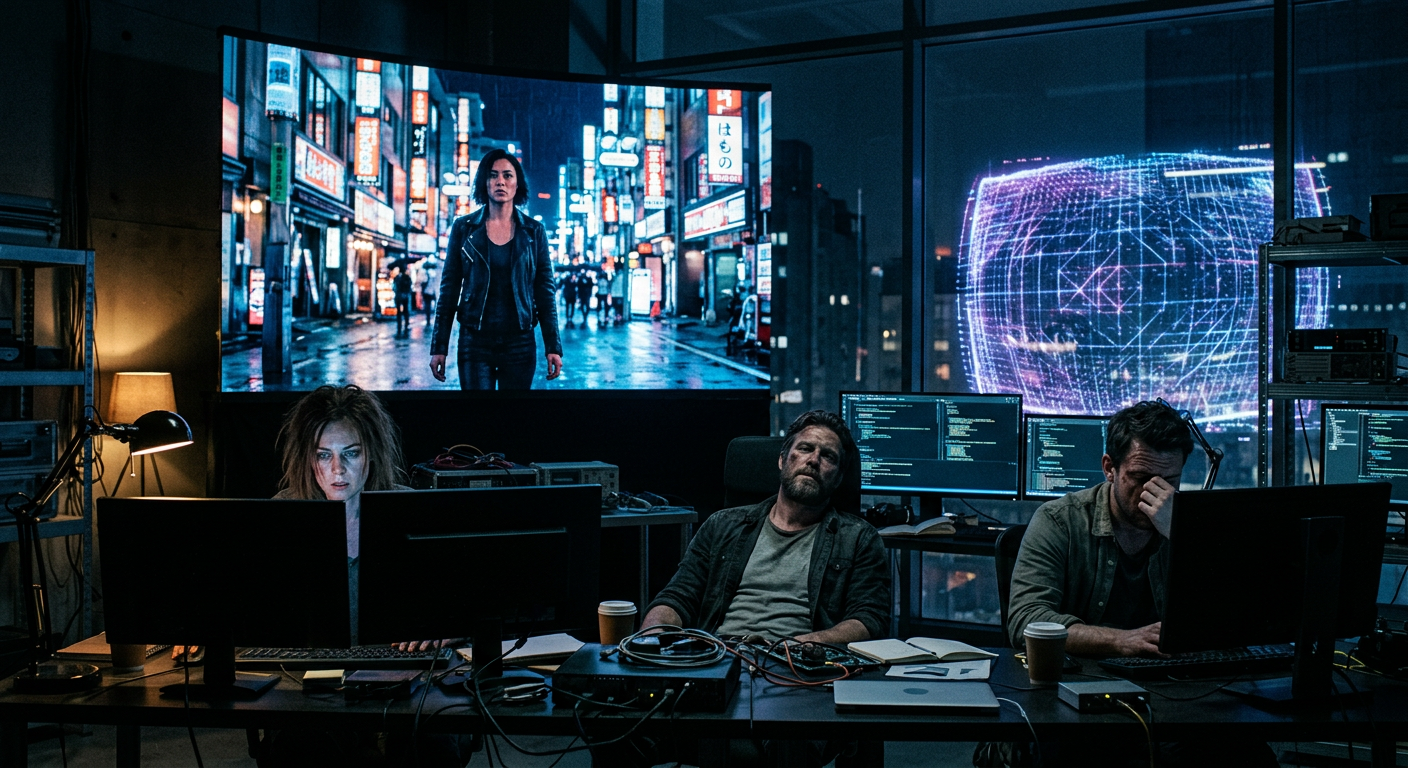
Rewind to the early spring of 2024. The entire Chinese tech community and film/video creator demographic experienced a collective moment of suffocation. When OpenAI released those 60-second Sora demo videos—featuring near-perfect physical laws and silky-smooth camera movements—the air on this side of the Pacific froze. That leather-clad woman strolling down a neon-lit Tokyo street didn’t just shatter her reflection in the puddles; she ruthlessly crushed the pride of countless domestic AI practitioners. That night, countless investors pulled their Term Sheets (TS) from domestic large-model teams, and numerous short-video creators typed out words of despair in late-night WeChat groups: “Are we completely locked out at the bottom tier by Silicon Valley?” The massive panic stemming from this generational technological gap hung over them like the Sword of Damocles, making even breathing feel heavy with the taste of metal.
The sentiment permeating the industry at that time was a near-despairing sense of a “dimensionality reduction strike.” Silicon Valley seemed to have touched the Holy Grail of Artificial General Intelligence (AGI), attempting to simulate the entire physical world with code, while we were still pulling our hair out over the stability of AI-generated gacha images. Was the gap two years? Five years? Or an insurmountable chasm? In that darkest hour, almost everyone believed the endgame of AI video had been prematurely written by Sora, leaving domestic large models to scavenge for marginal monetization scraps in the ruins of others’ innovations. But the tech believers on this land possess an inherent refusal to accept defeat. After the panic subsided, they gritted their teeth, swallowed their blood, and embarked on a do-or-die march with no way out.
However, the script of technological history is never written according to the wishes of the arrogant. Just as the world was eagerly awaiting Sora’s public beta, the once globally-stunning “tech deity” plunged into a prolonged period of delays. From early spring to midsummer, Sora remained confined to the Twitter flexes of a few alpha testers, becoming an expensive, look-but-don’t-touch exhibit in Silicon Valley’s display window. Exorbitant computing costs, insurmountable safety red lines, and the engineering disasters brought on by the pursuit of an ultimate physics engine left OpenAI trudging through the mud of AI video deployment. The halo on the pedestal began to fade, and this provided Chinese AI teams with the most precious window to catch their breath and mount a counterattack.
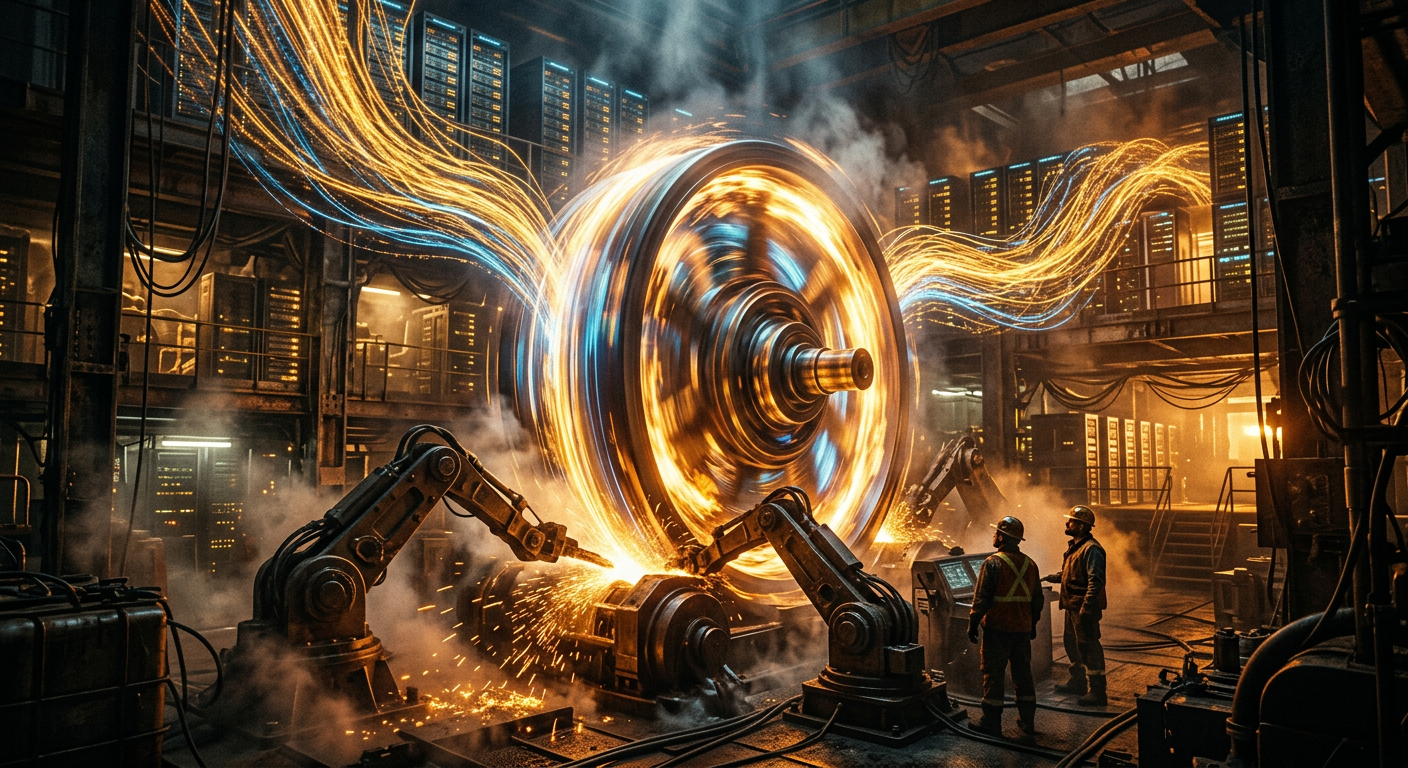
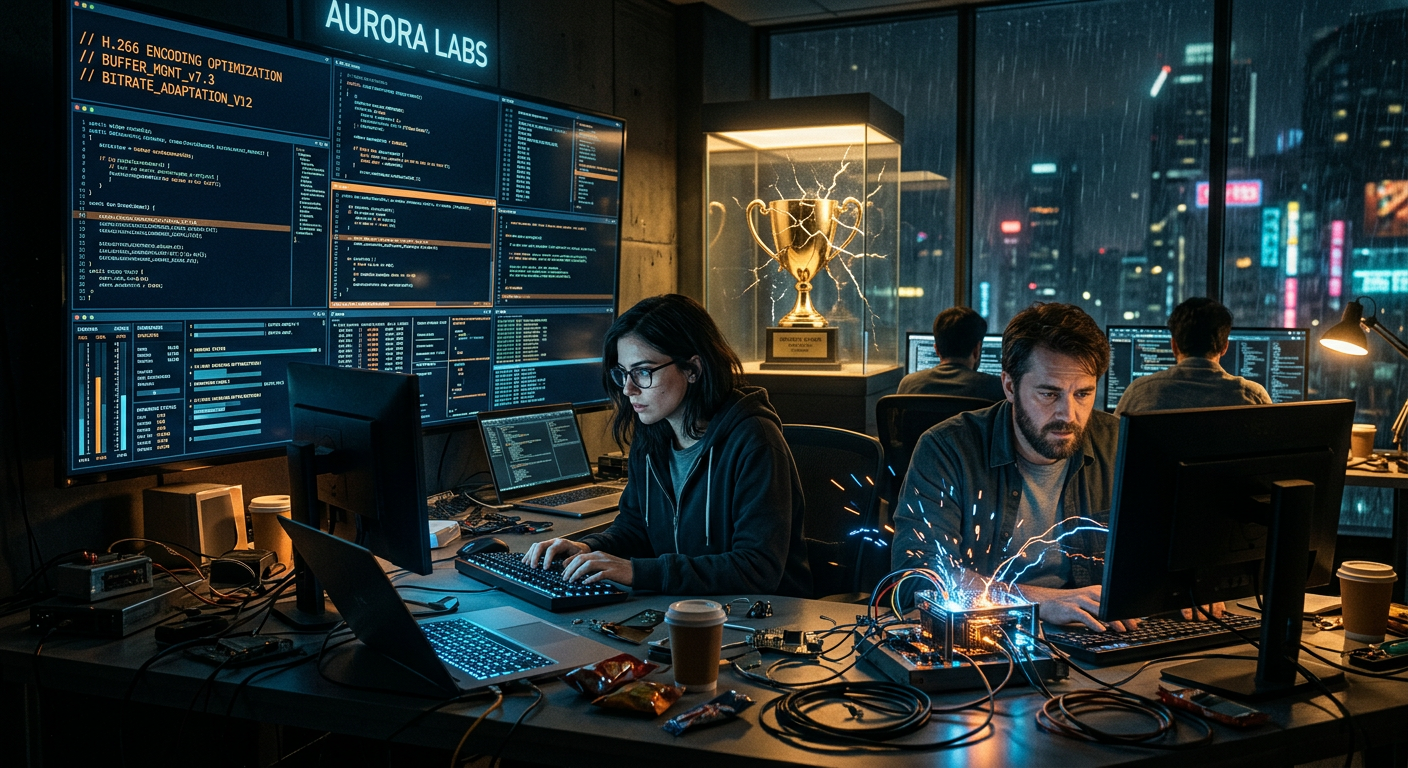
During this six-month-long “vacuum period,” geeky speed runs against the clock were staged daily in the office buildings of Zhongguancun and the R&D centers of Shenzhen. With no time for ethereal philosophical debates and no energy for packaging flashy presentation decks, Chinese engineers used the most straightforward—yet highly effective—”engineering mindset” to forcibly carve a bloody path through the shackles of computing power. You seek to simulate the entire universe; we will relentlessly focus on making a 5-second short video better understand Chinese emotions. You are trapped in the perfectionism of physical laws; we will frantically iterate using massive amounts of user data. From rebuilding the underlying architecture to the localized fine-tuning of DiT models, a silent yet thrilling foundational reconstruction was quietly completed during countless late nights with bloodshot eyes.
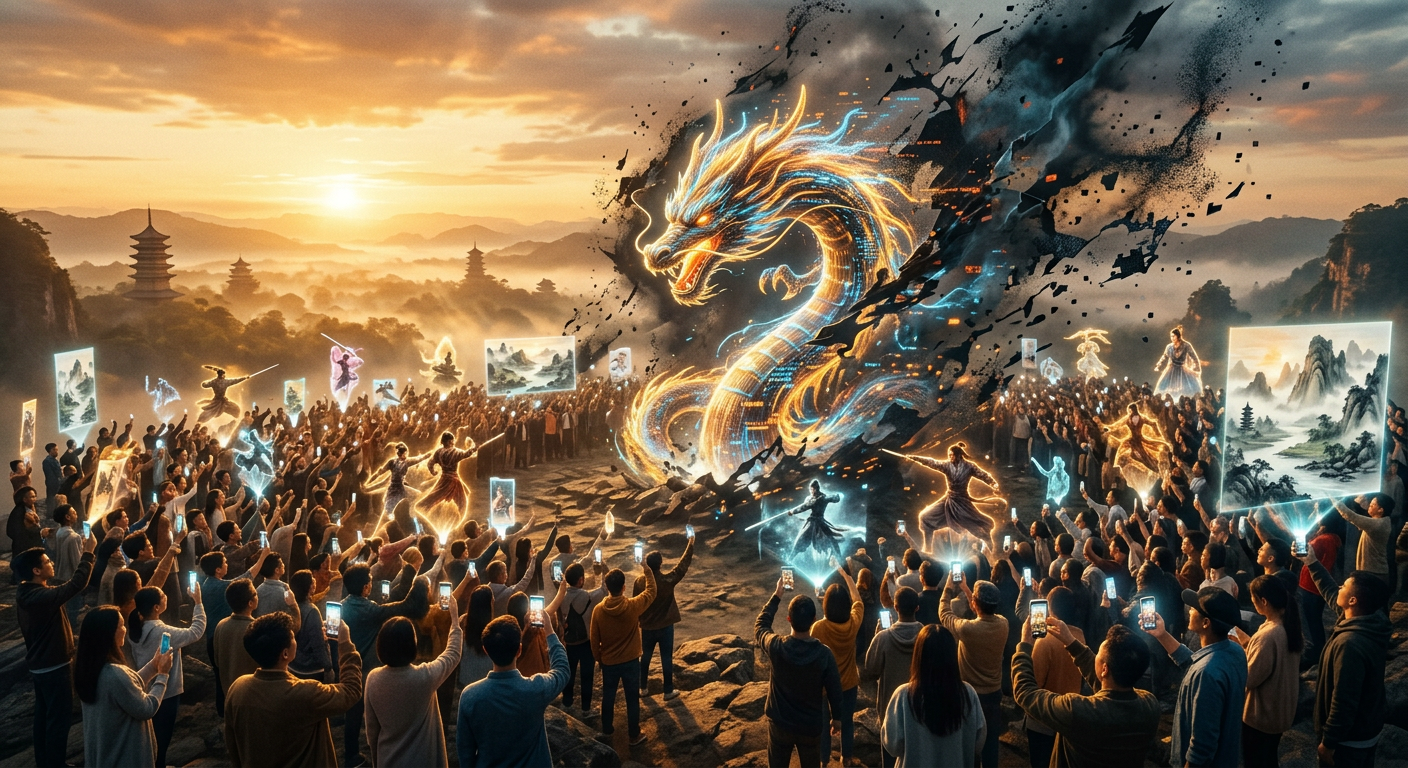
The clarion call of the counterstrike came fiercer and more thorough than anyone anticipated. When Kuaishou’s Kling AI first tore open the breach, followed by ByteDance’s “Jimeng” storming the battlefield with the force of a thunderbolt, and then a slew of domestic pioneers like Shengshu Technology’s Vidu and StepFun collectively unsheathing their swords, Chinese AI video completed a desperate counter-offensive this summer—from a “total rout” to “besieging the enemy’s gates.” These aren’t just concept cars parked in a lab; they are heavy weapons shoved straight into the phones and computers of every ordinary creator. When you see countless Chinese netizens using “Jimeng” to generate martial arts fights brimming with Eastern aesthetics in one click, or using Kling to make deceased loved ones in old photos smile and nod again, you realize just how terrifyingly authentic the weight of this counterstrike truly is.
The emergence of Jimeng and Kling directly ripped off Sora’s veil of mystery, dragging the AI video war from a “clash of the titans” down to a “people’s war.” Why should the most advanced productivity tools be the exclusive domain of Silicon Valley elites? The answer provided by domestic AI is this: let every ordinary person with whimsical ideas see their script turn into a blockbuster within three minutes. This extreme usability, ultra-low barrier to entry, and deep understanding of the local cultural context form the most indestructible moat for Chinese AI video. While Hollywood is still bickering endlessly over AI copyrights, millions of AI-generated videos are already spreading virally every day on China’s short-video platforms. This massive, real-world application ecosystem is something no closed-door laboratory could ever imagine.
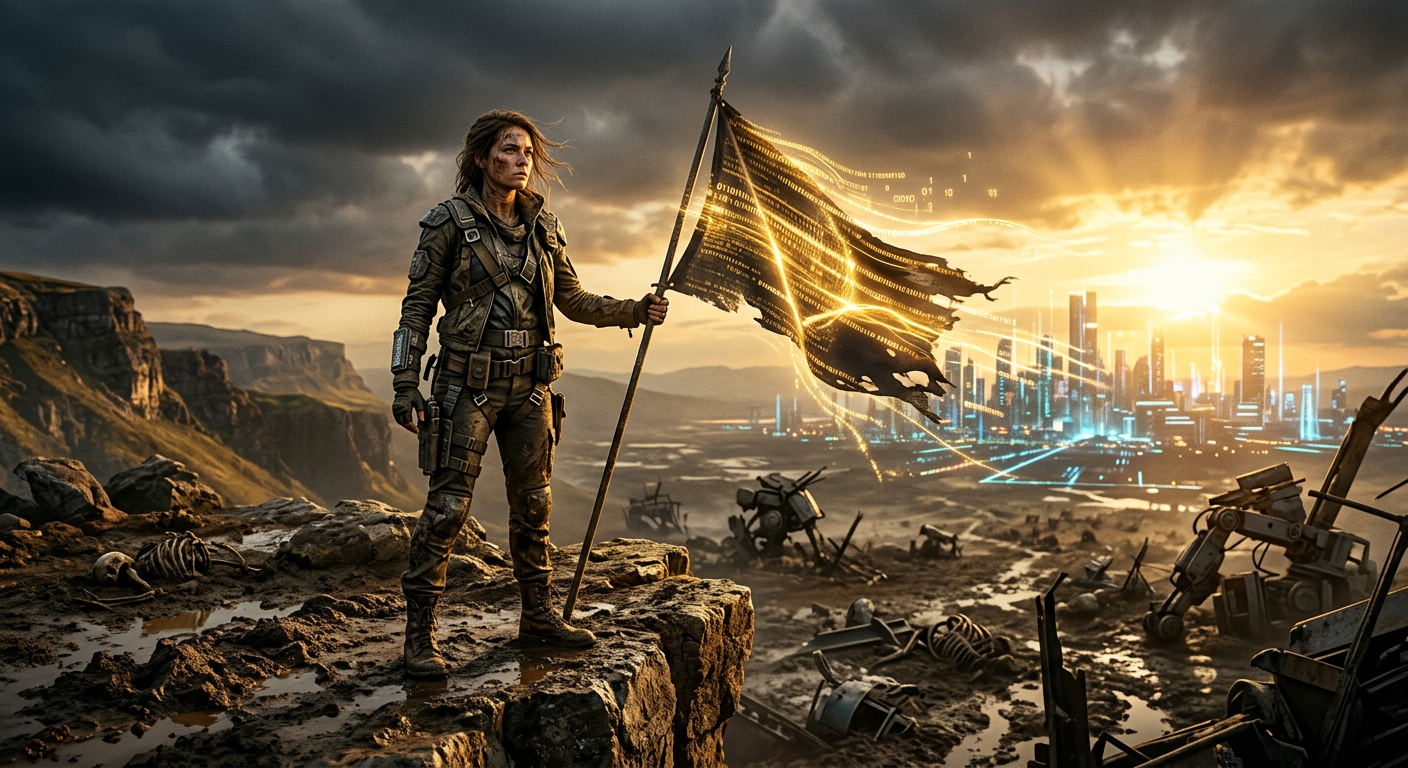
Actually, if you lengthen the focal length of history, you’ll find that this script of “from panic to counterstrike” has played out on our land far too many times. We once felt despair over foreign chip blockades, suffocated by engine barriers in the internal combustion era, and worshipped Apple and Samsung in the early days of smartphones. Yet every time, we awakened in extreme panic, lay low amidst cynicism and mockery, and finally raised the banner of victory with bloodstained hands on muddy battlefields. The breakout of AI video is nothing more than another reenactment of this tragic yet magnificent fatalism of Chinese technology.
Are we born to enjoy these desperate counterattacks after being pushed to the edge of the cliff? No. It’s because in this cruel, winner-takes-all jungle, we have no retreat. Every programmer writing code, every algorithm researcher pulling all-nighters to tune parameters—they all know clearly in their hearts: if we fold at the AI video poker table today, tomorrow our cultural narratives, our digital assets, and the imagination of our next generation will have to rely solely on the charity of others. This existential anxiety, seeping into the very marrow of our bones, has forced out the most primal, savage, yet vibrant vitality of Chinese AI.
—— END ——
wild overstatement lol. jimeng is okay for basic panning shots but try rendering a 10s clip with complex fluid motion. the physics still completely fall apart. wake me up when they fix the consistency issues.
the hype in this post is wild lol. jimeng is okay for short clips but the physics consistency still doesn’t match those openai demos. wake me up when the background stops melting every time a character turns their head. cool tech tho
Sora is still way ahead on temporal coherence, no matter how many demos Jimeng puts out. These 2-second loops don’t prove much yet. Call me when the physics stop melting. Empty hype.
People keep calling it a comeback but most of these videos have that weird liquid look whenever things move fast. Jimeng looks okay, but it’s mostly hype until they fix the limb distortions. OpenAI is taking their time for a reason. Eh.
Still waiting for a version that doesn’t require a Chinese phone number to sign up. Hard to talk about a rivalry when half the world can’t even test the thing. Looks okay in the demos though.
calling it an “epic comeback” is a bit much lol. jimeng is fine for social media clips but the physics are still broken. sora is still vaporware but the lighting in those original demos looked way ahead of this.
Haha, fair point, garrett_v! Guilty as charged on the “epic” exaggeration. 😂 You’re spot on about the physics and Sora’s lighting. But honestly, having a slightly janky tool we can actually use beats polished vaporware any day!
Man, early 2024 feels like a lifetime ago. I remember our whole studio sweating bullets when Sora dropped. Fast forward to now, and we actually use Jimeng for like 60% of our commercial B-roll. It’s crazy how fast the gap closed over the last two years. Solid write-up, really captures that rollercoaster vibe we went through.
Looking back, that 2024 “Sora panic” feels like a lifetime ago. Honestly, the competition really pushed Jimeng and Kling to get their act together regarding temporal consistency. I’m currently using the latest Pro versions for my studio’s workflow and the physics handling is light years ahead of those early “spontaneous” Sora demos. It’s a good time to be a creator now that the tools have actually matured.
Man, looking back at that 2024 “Sora panic” feels like a lifetime ago. I remember the doom-scrolling when those first OpenAI clips dropped and everyone thought the domestic industry was cooked. Fast forward to now, and I’m actually using Jimeng for about 70% of my client storyboards. The consistency jump they made last winter was the real turning point. It’s wild how the narrative shifted from “can they catch up” to “which ecosystem has the better workflow.” Great retrospective.
Honestly, looking back at that “Sora Panic” in early ’24 feels like a lifetime ago. Most of us in the industry were genuinely worried about getting wiped out overnight. But the way the domestic ecosystem stepped up—especially seeing how integrated Jimeng and Kling have become in our daily production pipelines by now—it’s wild how that “unbeatable moat” everyone talked about evaporated so quickly. We’ve finally moved past the “viral demo” stage and into actual, consistent utility. Great recap of the last two years.
Spot on, Alex! It really feels like a lifetime ago. The transition from sweating over Sora’s flashy demos to actually relying on Jimeng and Kling for daily production is the ultimate plot twist. Here’s to real-world utility!
Man, early 2024 feels like a decade ago in AI years. I remember the Sora hype cycle vividly, but Jimeng’s 3.0 update last year really was the turning point for most of us in production. The local ecosystem just moved at a different speed once the initial shock wore off. Good write-up.
Man, reading this really takes me back. I remember those sleepless nights in early ’24 wondering if my studio would even survive the year. Looking at how Jimeng and Kling have evolved now, it’s wild to think the “Sora panic” was only two years ago. The localized prompt logic and character consistency in the current Jimeng build honestly saved my workflow more times than I can count this month. Competition really is the best medicine for the industry.
Reading this really brings back memories. I remember back in early ’24 when everyone was terrified that Sora would kill off the domestic industry overnight. Fast forward to now, and I’m actually using Jimeng’s Pro Max version for most of my commercial storyboarding. The consistency issues that plagued the early models are basically a non-issue at this point. It’s funny how the “counterstrike” just became our new daily reality. Great write-up.
Man, reading this brings back memories of those sleepless nights in early ’24. Everyone thought the gap was insurmountable. Fast forward to now, and half my studio’s workflow is running on Jimeng’s API because the local optimization is just better for our projects. Sora was the wake-up call we needed, but the “counterstrike” ended up being more about practical utility than just hype. It’s wild how quickly we normalized 4K AI generation in the daily pipeline.
I found the comparison between Sora’s early hype and Jimeng’s recent improvements quite insightful. The data on training compute usage was especially helpful. I wonder how the licensing models differ between the two platforms, especially for indie creators.
Really enjoyed the deep dive into how Chinese firms reacted to Sora’s launch. The Jimeng case shows impressive agility—especially their rapid model fine‑tuning and local data partnerships. It’s a good reminder that competition speeds up innovation, though we should also watch for sustainability hype. Ha, yeah, feels solid.
Hey Alex, I just finished my morning coffee while reading your piece on the Sora panic and Jimeng’s counterstrike. The way you trace the shift from reactive hype to a more grounded, home‑grown AI video ecosystem feels spot‑on for where we stand in mid‑2026. It’s striking to see how talent that once fled abroad is now staying to build on local data and policy frameworks, and how the regulatory push for data sovereignty is shaping product roadmaps. A thoughtful read that captures the industry’s current mood—thanks for putting it together!
Really enjoyed the deep dive into how the early Sora panic sparked a wave of experimentation, and how Jimeng’s iterative approach turned things around by late 2025. It’s fascinating to see the shift from reliance on imported models to home‑grown pipelines that actually deliver usable results. Thanks for sharing.
Nice read. The way the author ties the early‑2024 Sora hype to Jimeng’s recent push shows how fast the landscape shifts. I especially appreciated the section on the open‑source models that Chinese teams released after the panic—it really highlights how community‑driven iteration can outpace big‑lab announcements. Would love to see a follow‑up on how these models are being adopted in short‑form video apps domestically.