

Your main job keeps you busy until late at night, while your side hustle flickers in notifications, like two invisible hands constantly tugging at your time. After overtime, you’ve scrolled through your phone, seeing screenshots of others’ side‑hustle income, feeling a mix of envy and self‑blame: why do I always feel stuck in place? That sense of wanting to strive but being drained by trivial tasks feels like running in fog—you can’t see the end nor grasp the direction.
Society tells us that multitasking is the way out, but few remind you that real competition isn’t about who sleeps less—it’s about who can channel limited energy into what truly matters. Have you ever asked yourself late at night: if I weren’t exhausted by others’ expectations, could I still carve out breathing room for my own dreams?
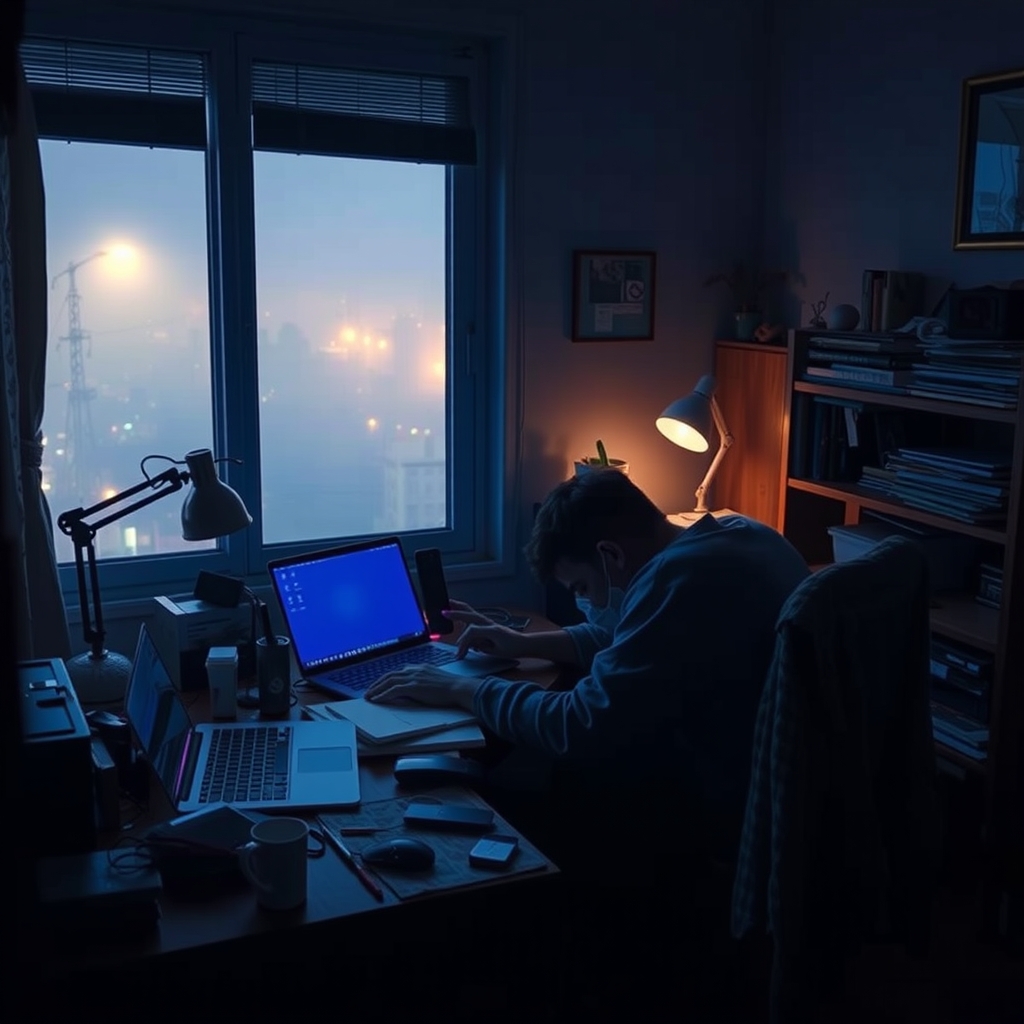
Time isn’t an infinitely stretchable rubber band; it’s more like a fixed deposit, with only twenty‑four hours available each day. Instead of obsessing over ‘how to squeeze out more time,’ first ask yourself: what do I really want to exchange this time for? Financial freedom, or affirmation of self‑worth? When your goal becomes clear, allocating time stops being a blind filler and turns into purposeful investment.
A programmer friend of mine works on backend development for his day job, yet his side hustle is crafting handmade leather goods. He doesn’t wake up at 5 a.m. to grind away; instead, he locks his core work tasks into the morning peak period and uses the afternoon—when his energy is relatively steady—for design and cutting. He knows that creativity requires a different mental state from logical thinking, and forcing a switch in the same time slot only reduces efficiency and breeds frustration.

Even the best plans can be shattered by sudden notifications, so rituals that protect focus become essential. Start by turning off all non‑essential push notifications on your phone and computer, leaving only the channels that truly require immediate response. You can try using a ‘focus mode’ to separate work apps from social media; this way, the temptation to scroll is weakened by a physical barrier.
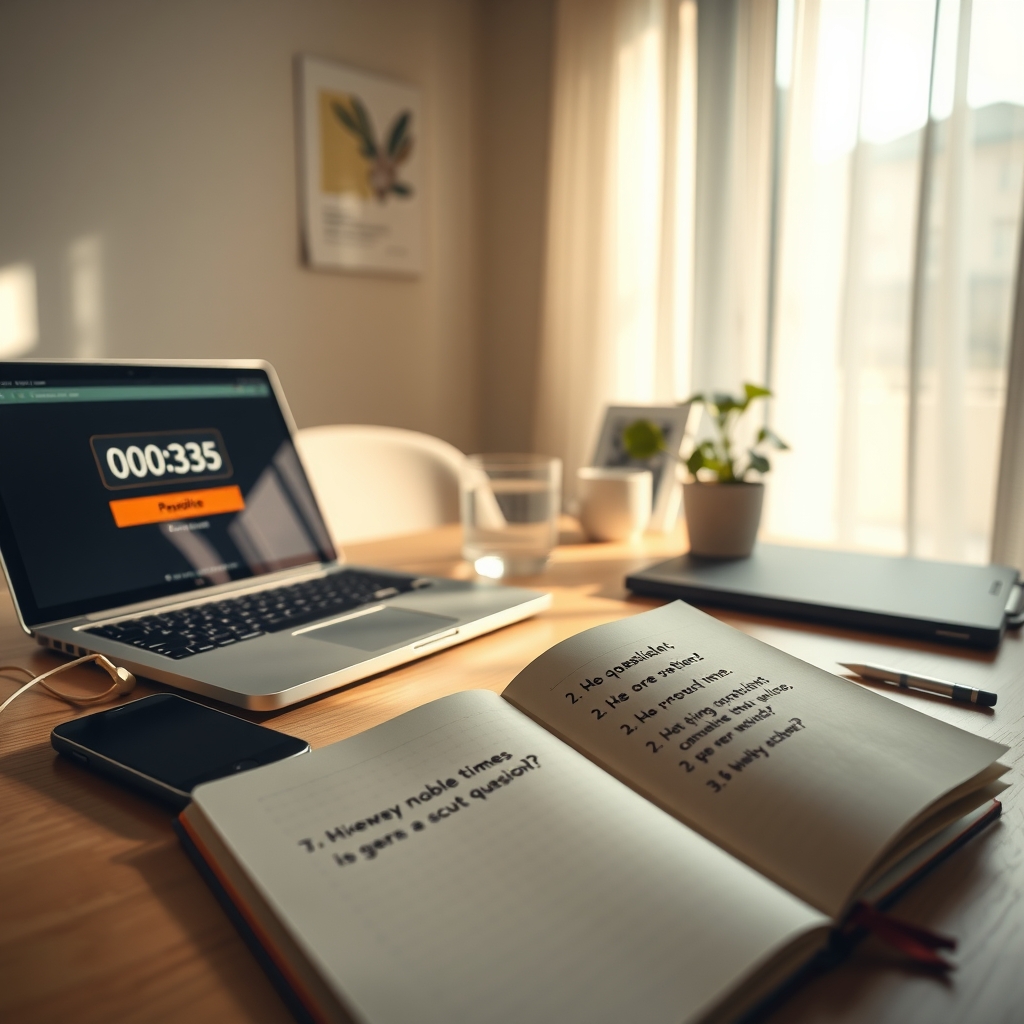
The Pomodoro technique may be simple, but its power lies in turning time into visible units. Work for twenty‑five minutes on a single task, then take a five‑minute break away from the screen—stretch, hydrate, or breathe deeply. This short interval not only prevents eye strain but also gives your brain a buffer when switching tasks, reducing the cognitive cost of context shifting. When you’re focused on editing a side‑hustle video, set the Pomodoro timer for two consecutive units, doing only a simple eye relaxation in between; this keeps the edit coherent and the creativity flowing.
Set aside thirty minutes each weekend for a review—no need for lengthy reports; just answer three questions: Which time blocks were used effectively this week? Where did energy mismatches cause procrastination? Which block should I adjust next week? This lightweight feedback loop lets you continuously fine‑tune your rhythm subconsciously, instead of feeling lost in chaos.
—— END ——
Honestly, it’s less about time management and more about energy management. My 9-5 drains me so much that ‘effective tips’ feel like a joke by 8pm. Just trying to protect weekends like my life depends on it.
I found the tip about batching similar tasks really helpful; I’ve started using a 15‑minute buffer between meetings to squeeze in micro‑tasks, and it’s cutting down the switch‑cost. Thanks for sharing!
Really enjoyed the practical tips on chunking time blocks. I’ve tried the Pomodoro method alongside my 9‑to‑5 and it helps me keep the side hustle from eating into sleep. Would love to hear how others handle unexpected overtime.
Really useful tips, especially the chunking method—helped me squeeze in some freelance design work after my 9‑to‑5. Thanks for sharing!
Really useful tips! I’ve been trying the time-blocking method after work and it’s helped me squeeze in a couple of hours for my freelance gig without burning out. Thanks for sharing.
Really liked the concrete examples about blocking time for side projects after a 9-to-5. I’ve been trying the Pomodoro technique during my lunch break and it’s helped me stay consistent without burning out. Thanks for the practical tips!
Really useful article—especially the tip about batching similar tasks. I’ve tried blocking out an hour after my main job for my side hustle and it’s made a big difference. Curious how you handle days when work runs late.
Really liked the section on batching similar tasks – I’ve been trying that with my freelance design work and it’s cut down context-switching a lot. The tip about setting a hard stop for the main job also resonates; I need to be stricter with my own shutdown ritual.