
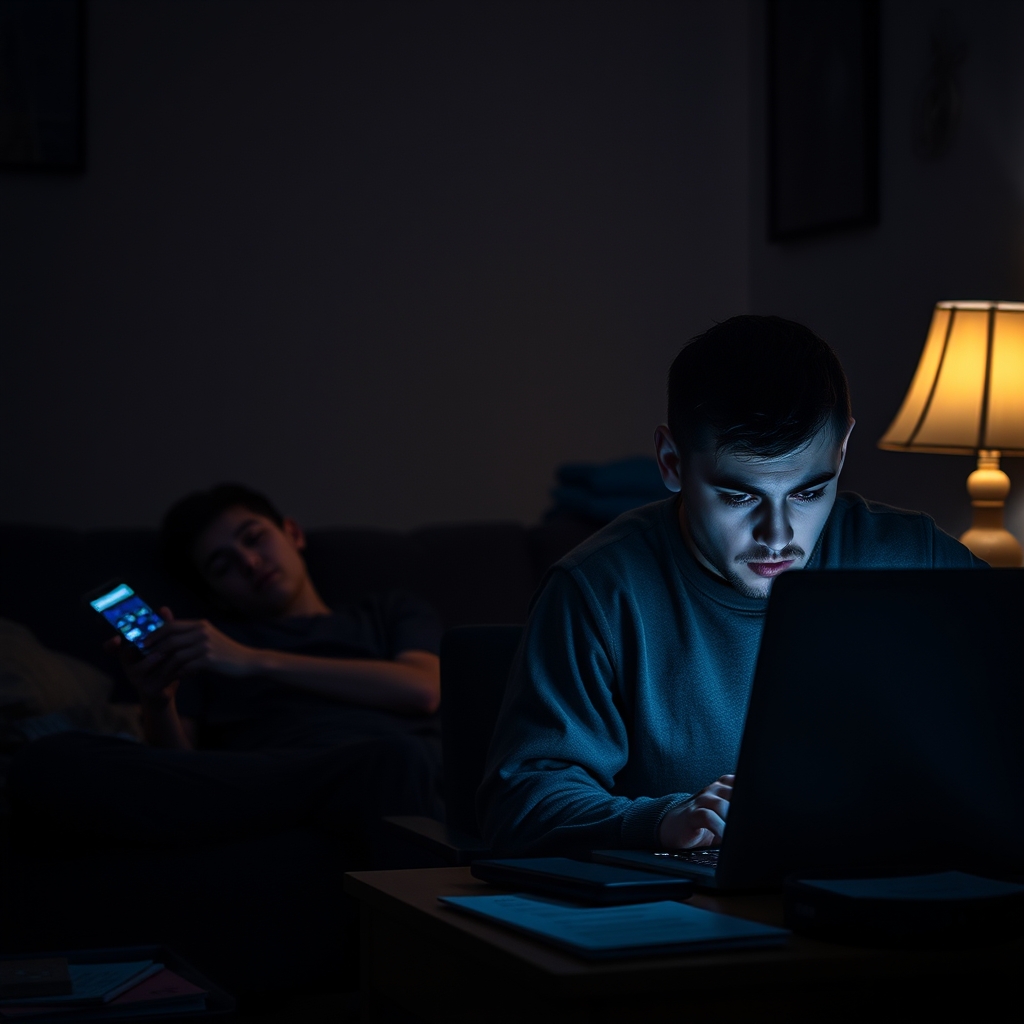
Have you ever woken up in the morning feeling as if a heavy fog has settled over you, even after your coffee has gone down, your mind still feels muddied and sluggish? That inexplicable fatigue isn’t due to lack of sleep, but to countless tiny energy leaks throughout the day — like fine pores quietly sucking the flame of life away.
An energy map isn’t a mystical fortune‑telling tool; it’s a personal coordinate system you can draw yourself, labeling each behavior as a ‘charging’ or ‘discharging’ node. It helps you see which habits quietly store energy and which drain your inner reserves. Only by placing this map before you can you find, amid the noise, the true direction that fills you with power.
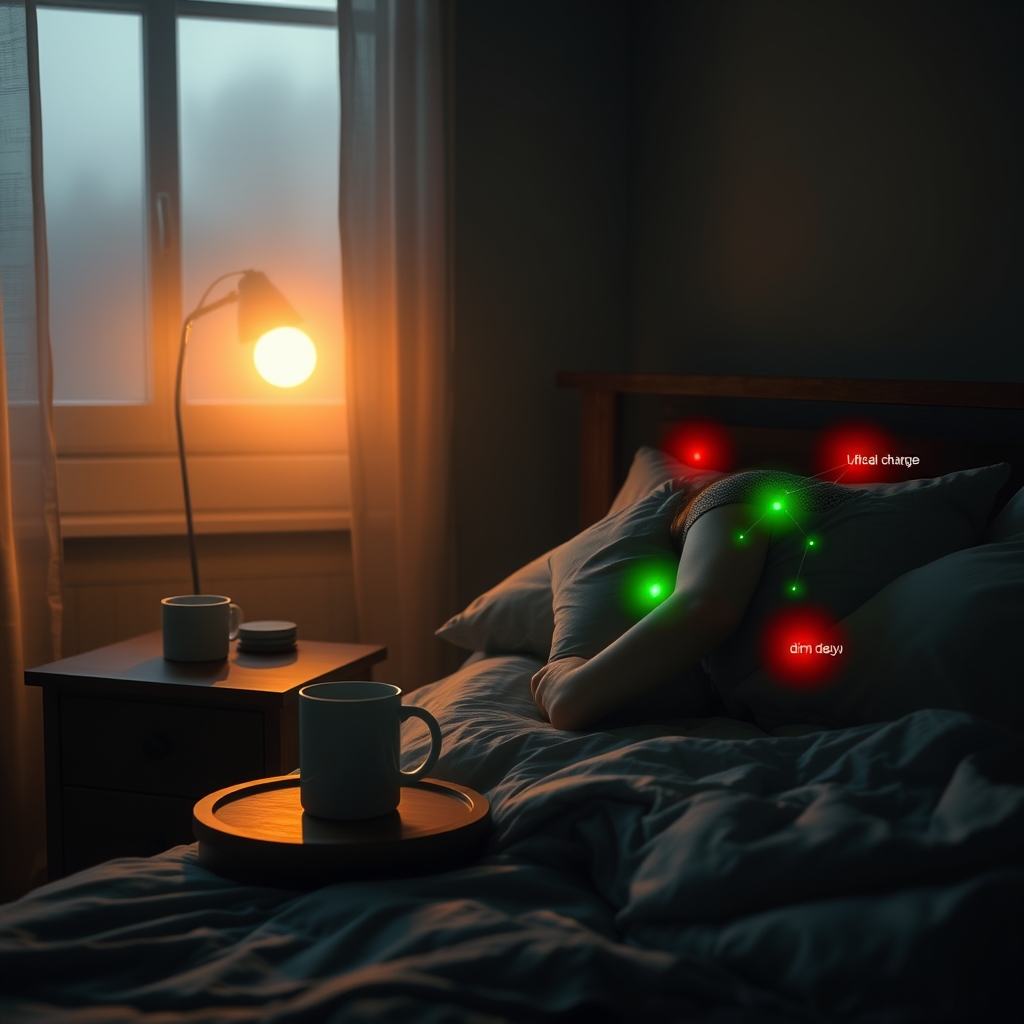
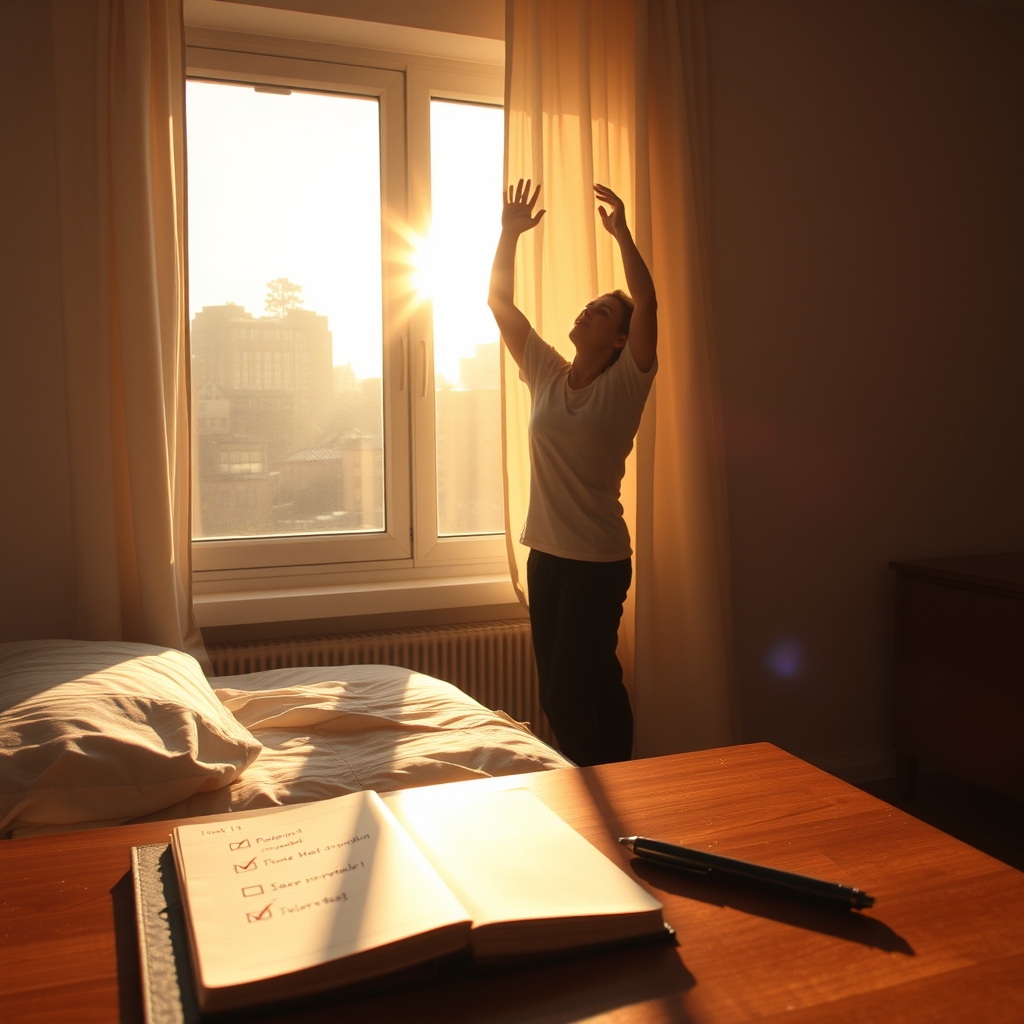
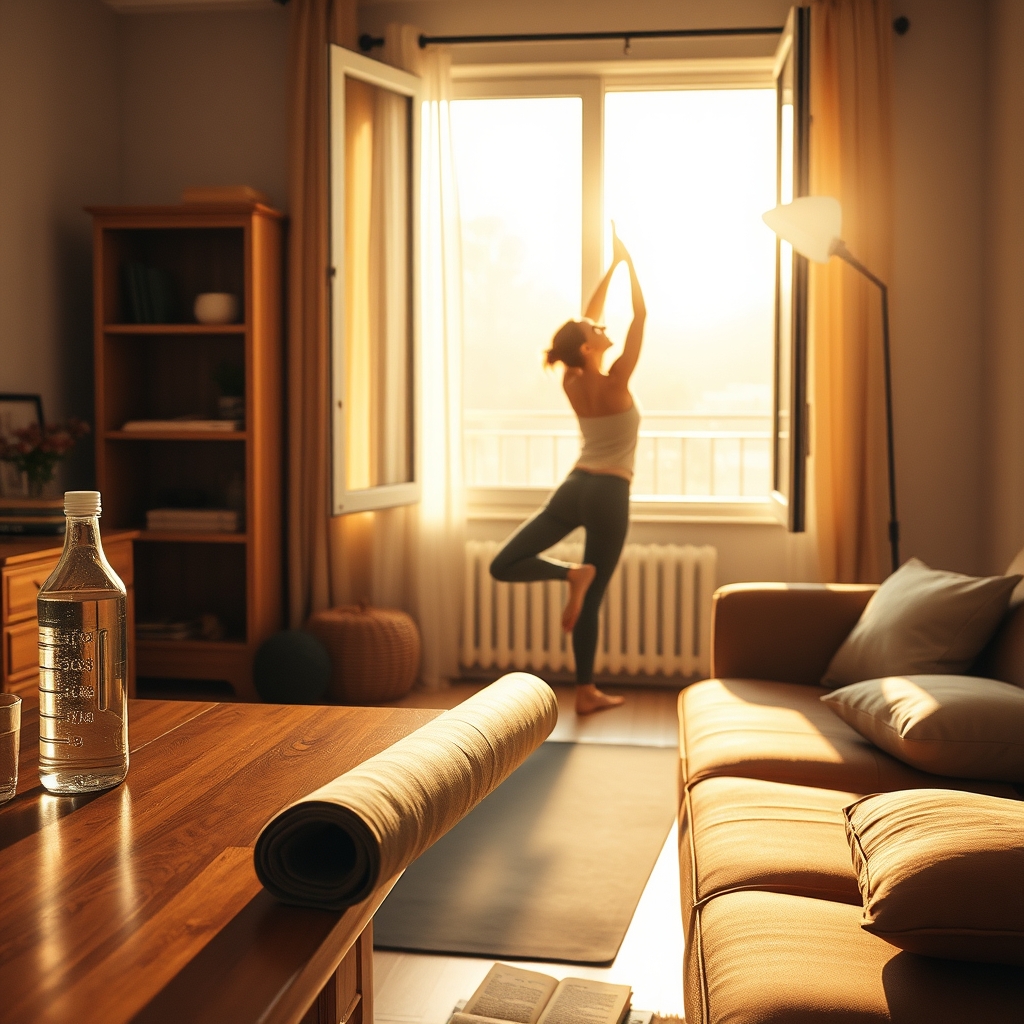
The first ray of morning sunlight is the most primal charger. When you pull back the curtains and let natural light splash on your face, the retina signals the brain that ‘day has come,’ suppressing melatonin secretion and boosting alertness and mood. Pair that with five minutes of stretching or jogging in place, blood flow speeds up and oxygen delivery to the brain improves by about twenty percent — this simple act often outlasts a cup of strong coffee.
Beyond light and movement, a tiny sense of accomplishment also acts as an energy savings jar. For example, before starting work write down three micro‑tasks you can finish today; after completing them, put a check mark on the paper, and your brain releases dopamine, creating a ‘I can do it’ positive feedback. Sticking with this habit daily not only makes your to‑do list visible, but also invisibly continually feeds your emotional reserve with positive energy.
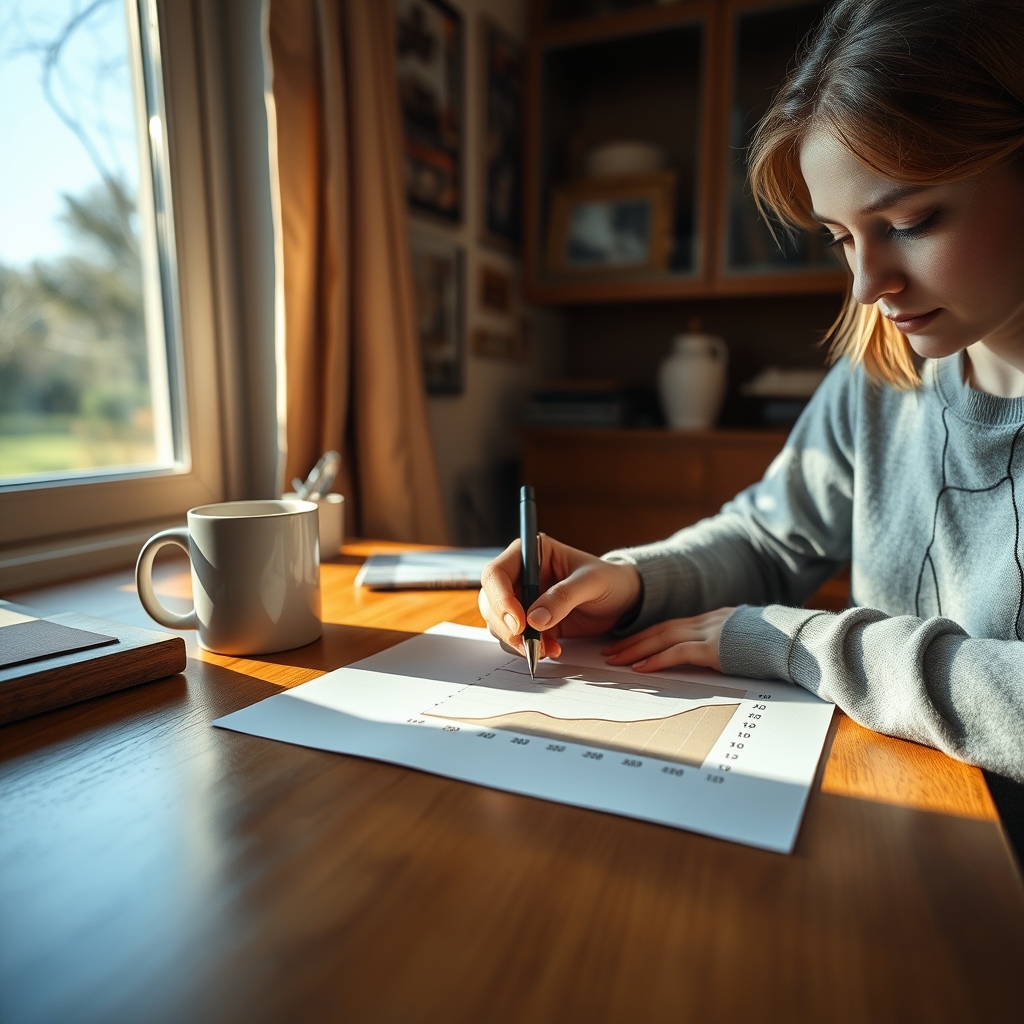
To draw your own energy map, you only need a simple recording tool — no fancy app required, just a sheet of paper and a pen. Divide your day into 90‑minute blocks, and after each block give yourself a score: 0 for completely drained, 5 for neutral, 10 for full of energy. This quantification turns vague feelings into something visible, and you’ll be surprised to discover that even seemingly harmless ten‑minutes of news scrolling can cost three points of energy.
After a few days of logging, the pattern emerges: which periods consistently score high and which low periods act like black holes. You might find that a brief walk at 10 a.m. actually boosts your energy by two points, whereas your daily fixed meeting is a major energy drain. These insights aren’t guesses; they’re real feedback from your own behavior, and they’re actionable.
Once you’ve identified the problem, the next step is to make tiny swaps that redirect your energy flow. For example, replace ten minutes of morning phone scrolling with outdoor deep breathing and stretching, or swap post‑dinner binge‑watching for ten minutes of meditation or reading a physical book. The key isn’t an overnight overhaul — adjust just one habit each day, watch how your energy score changes, and let a positive feedback loop gradually form.
At the same time, thoughtful environmental design can amplify your changes. Place your water bottle in a conspicuous spot on your desk to remind yourself to drink hourly; keep a notebook beside the sofa to encourage jotting down ideas during breaks instead of scrolling Weibo. When external cues point toward positive behavior, willpower depletion drops dramatically, making change feel more natural and lasting. In the end, you’ll see that your energy map is no longer a static chart but a living guide that updates in real time, steering you each morning to wake up with ample energy to meet what truly matters.
—— END ——
I liked how the article breaks down habits into boosters and drains; I started logging my morning light exposure and saw a clear boost in focus. Simple but useful.
Really liked how the article breaks down morning routines into boosters vs drainers. I tried the 5‑minute stretch tip yesterday and felt a noticeable shift in my focus. Thanks for the practical take!
The bit about “decision fatigue” hit hard. I spent 20 mins yesterday just picking a protein powder. Started putting my gym clothes out the night before — stupid simple, but it actually got me out the door at 6am today. Thanks for the visual, saving this.
Really liked the breakdown of micro‑habits — especially the tip about standing for two minutes every hour. I’ve tried it this week and noticed less afternoon slump. Would love to see more data on how hydration timing interacts with those energy peaks.
Thanks, Linda! Glad the standing tip helped. Hydration timing is a great idea — I’ll dig into studies on water intake vs. circadian energy and share findings soon. Stay tuned!
I tried tracking my morning light exposure as suggested, and noticed I feel less sluggish by midday. The habit map makes it easy to spot which routines actually move the needle.
Really liked the breakdown of morning vs evening habits. I’ve started tracking my screen time after reading this and noticed a boost in focus. Thanks for the practical tips!
I’ve been logging my daily energy for a couple weeks and found that a quick stretch mid‑afternoon cuts the slump. The energy map concept is a handy visual cue—makes it easier to spot which habits actually lift me up versus those that just drain me.
Read the energy map article this morning; the section on micro‑breaks resonated because I’ve been trying to step away from the screen every 90 minutes and it really helps my afternoon focus. Thanks for the practical tips!
Really liked how the map breaks down morning vs evening habits; I’ve started tracking my light exposure and noticed a clear boost in focus. Thanks for the practical takeaways!
Really liked how the article breaks down habits into boosters and drainers. I’ve tried tracking my sleep and morning light exposure, and it’s surprising how much a 10‑minute walk changes my energy. Thanks for the practical tips!
I tried tracking my morning routine with a simple spreadsheet and noticed that a 10‑minute stretch actually spikes my focus for the next couple of hours. The article’s idea of mapping energy drains fits what I’ve seen—small tweaks beat big overhauls.
The energy map visual was really clear; I noticed my afternoon slump matches the screen time habit they mentioned. I just tried cutting back after lunch and felt better.
I tried tracking my morning light exposure after reading this, and noticed I feel less sluggish by midday. The simple habit of a 5‑minute stretch really helped. Thanks for the practical tips!
Really liked how the article breaks down small habits—like morning sunlight and short walks—that actually shift my energy levels. I tried the 5‑minute stretch after lunch and noticed less afternoon slump. Thanks for the practical tips!
Happy stretch helped, Alex! Tiny habit, big energy.
Read this today (Aug 8, 2026) and found the habit tracking map really useful — especially the bit about morning light exposure. I’ve been trying to sync my workouts with my natural energy peaks and noticed less afternoon slump. Thanks for the practical tips!
I tried tracking my energy levels for a week and noticed that cutting back on late-night scrolling really helped my mornings. Thanks for the map—it made the patterns obvious.
Really enjoyed the article—made me notice how my morning stretch boosts energy while late‑night Netflix binges drain it. Thanks for the clear map!
I’ve been logging my daily habits for a couple weeks and the energy map idea clicks—seeing how a quick stretch after lunch spikes my afternoon energy is pretty eye‑opening.
Really liked how the article broke down habits into boosters and drainers. Made me reconsider my morning scroll habit.
Tracking the ‘drainers’ was a game changer for me. Turns out my ‘quick email check’ at 10pm was costing me way more sleep quality than I thought. Swapped it for a paperback and the difference is real.
I tried the energy map yesterday and was surprised how much my midday snack actually drained me. Swapping it for a handful of nuts made a noticeable difference in my afternoon focus. Thanks for the practical tip!
I tried tracking my morning light exposure and noticed a real boost in focus after just a week. The map idea makes it easy to spot which habits actually move the needle.
I tried tracking my morning routine with a simple spreadsheet last week and noticed that skipping breakfast really tanks my focus by midday. The idea of an energy map resonates—would love to see how different activities like short walks or meditation shift the curve. Thanks for sharing!
The energy map really clicked for me—I’ve been tracking my sleep and morning light exposure for a few weeks, and noticing how even a 10‑minute walk after lunch spikes my afternoon focus. It’s nice to see the data visualized like this; makes the habit tweaks feel actionable.
I tried mapping my morning routine after reading this, and noticed that skipping hydration really drops my focus by midday. The visual chart helped me see the pattern—thanks for the practical tip!
I found the energy map concept useful, especially the part about micro-breaks. I’ve started tracking my own habits and noticed a big dip after lunch; the suggestions on light walks helped. Thanks for sharing!