
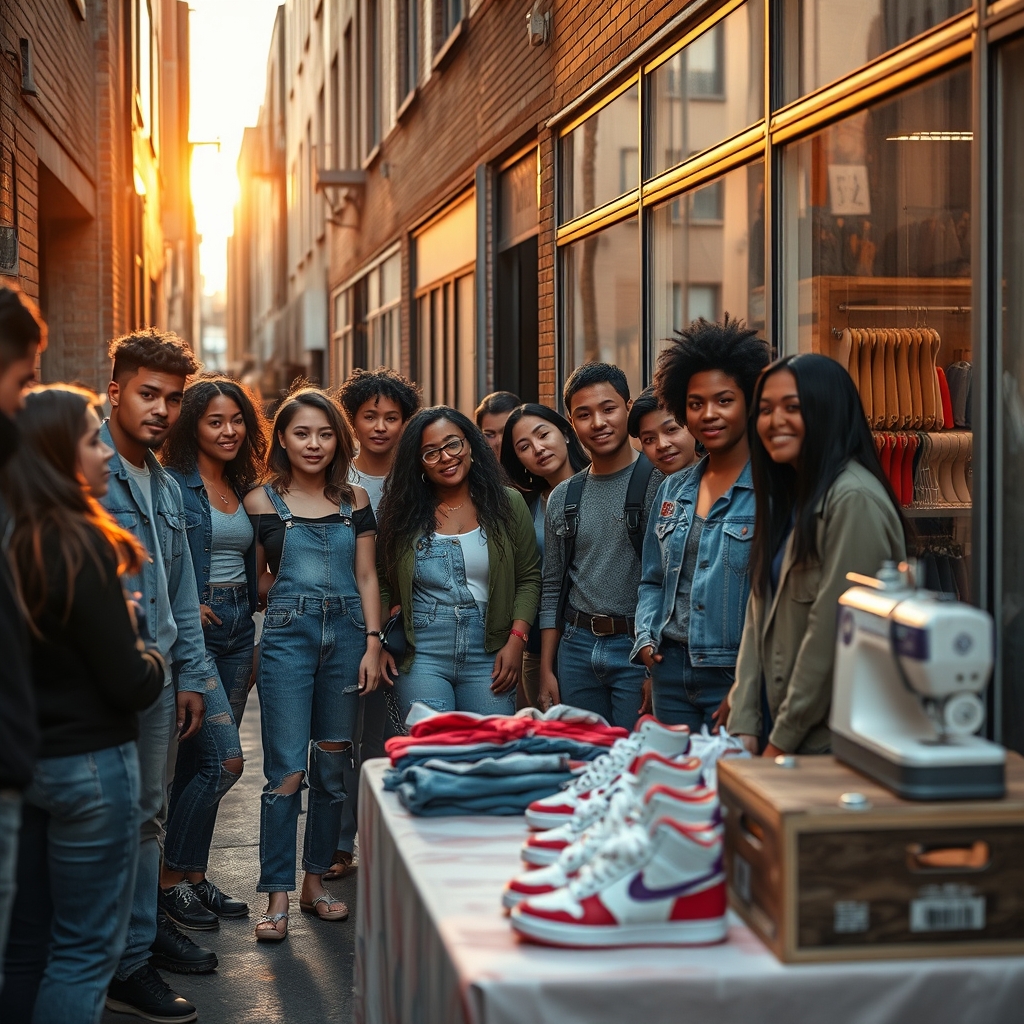
A typical case is the rise of a certain Chinese streetwear brand. The brand initially only posted a few hand-drawn patterns on Weibo, attracting a group of university students pursuing independent design. Instead of building their own factory, they found an ODM factory specializing in small-batch customization, providing consumers with the right to participate in every step, from fabric selection and pattern modification to even packaging design. Through online pre-sales and community voting, consumers directly decided which patterns went into mass production and which color blocks were kept as limited editions. This model elevated the design rights, which once only circulated within factories, to the fingertips of consumers.
Another phenomenon worth noting is the explosion of the second-hand luxury market. Young people no longer just pursue new logos; they prefer to meticulously maintained items on platforms like Xianyu and Zhuanzhuan, and then give these old items a second life through DIY modifications, adding unique patches, or re-dyeing them. This behavior is a silent protest against ODM’s mass production model—they are showing with their actions that true value lies not in the retail price, but in the process of giving a product personal meaning.
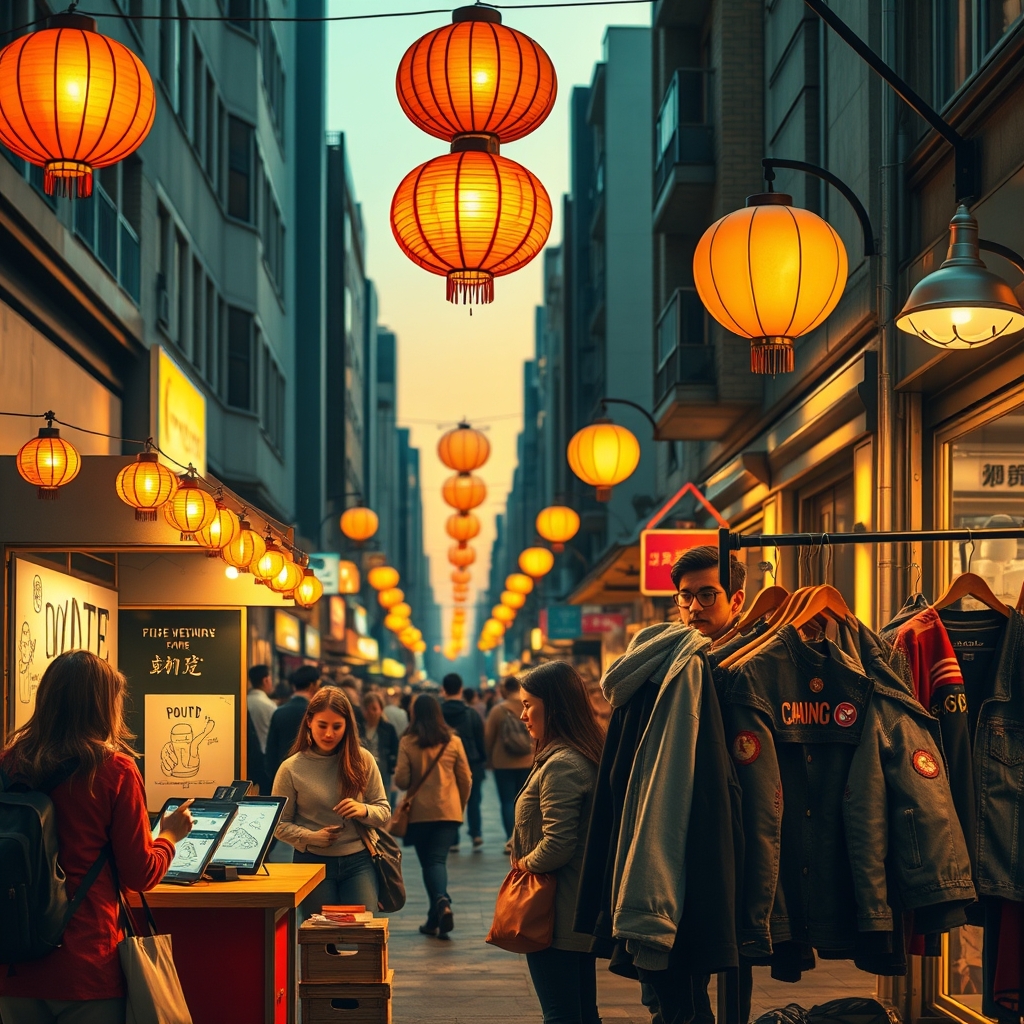
When we look at the emotions behind these actions, we can easily see a profound resonance: in this frenzy of refined consumption, young people feel alienated by the systematic brand narratives. They long to be seen, and want their choices to be not just consumption, but an expression of identity. Every time they leave a comment like “I want this version in that fabric” or vote for a detail in a livestream, they are saying: “I don’t want to just passively accept; I want to participate in the creation.”
This desire for participation is not just a demand for the product itself, but an implicit reshaping of the production relationship. They are no longer content with being ‘a consumer’, but hope to become ‘a co-creator’, and even to some extent, a ‘micro-brand’. If ODMs continue to maintain their closed-door manufacturing role, they will only be marginalized by this trend. If they can open their doors, making design rights, material information, and production progress transparent, they can instead gain loyal community support and convert it into a driving force for continuous growth.

Based on this, the path for young people to disrupt ODMs can be broken down into three dimensions. First is information transparency: requiring ODMs to provide traceable raw material sources, process flows, and carbon footprint data, allowing consumers to judge before ordering whether they meet their personal environmental and ethical standards. Second is the platformization of small-batch customization: using online pre-sales, community voting, and flexible production to transform ODMs’ mass production lines into an on-demand network, which reduces inventory risk while satisfying personalized needs. Finally, there is a co-creation incentive mechanism: through profit-sharing, copyright sharing, or limited releases, allowing consumers who participate in design to receive tangible rewards after the product is successful, thereby creating a virtuous cycle.
In practice, some pioneers are already trying. For example, a well-known fabric supplier launched an “Open Factory” project, inviting design enthusiasts to submit patterns online. The factory decides whether to produce a trial based on the number of likes, and gives the designer a certain royalty if the trial is successful. Another emerging Chinese fashion platform uses blockchain technology to record the dyeing batch and cutting process for each piece of clothing, allowing consumers to scan a code to see the entire production chain. These attempts show that when technology and sincerity combine, ODMs are no longer invisible manufacturers, but partners who can write value stories together with young people.

—— END ——
Really enjoyed the article—seeing how young consumers’ taste for limited‑edition, story‑driven pieces is pushing ODMs to shrink batch sizes and speed up design cycles. The Chinese streetwear case illustrates that shift well: it’s less about massive factories and more about tight feedback loops between creators and makers. Makes me think traditional ODMs will need to bring more design in‑house or partner closely with niche brands to stay relevant. Solid read, gave me something to ponder over my coffee.
Really interesting read. I’ve noticed how Gen Z’s preference for limited drops and micro‑influencer collabs is pushing traditional ODMs to open up their design APIs or even set up small‑batch labs. It’s not just about speed; it’s about co‑creation. Makes me wonder if the bigger factories will start offering modular design kits as a service. Good piece!
Interesting read. I’ve noticed how Gen Z shoppers gravitate towards brands that drop limited runs via Instagram and TikTok, forcing ODMs to speed up their sample cycles. The Chinese streetwear case shows that when designers own the design IP and use small‑batch factories, they can bypass the old ODM model. Still, scaling quality remains a hurdle for many indie labels.
Ha, indeed, 6, feels good. I think the point about young consumers pushing ODMs toward faster, more personalized drops is spot on. Seeing how streetwear brands are using micro‑batch runs and direct feedback loops shows the shift is already happening, not just a future trend.
Interesting read. I’ve noticed more Gen Z shoppers favoring small‑batch, locally‑made streetwear over big ODM brands, pushing those manufacturers to adapt with faster customization and transparent supply chains. It’s a shift that feels real on the ground, especially in cities like Chengdu and Guangzhou where pop‑up collabs are everywhere.
Interesting read. I’ve noticed how brands like Li‑Ning’s streetwear line are pushing ODMs to adopt faster, more design‑centric cycles. The shift toward refined consumption really forces manufacturers to rethink their MOQs and lead times. Curious to see if this trend will spread to other categories like home goods. Haha, yeah, feels good.
Really interesting take. I’ve noticed that many young consumers now prioritize unique design and brand story over pure price, which pushes ODMs to become more flexible—offering small‑batch custom runs and faster turn‑arounds. The Chinese streetwear example shows how local culture can be turned into a global niche when ODMs shift from pure manufacturing to co‑creation partners. It’s a shift that feels already happening, not something waiting for the future.
Interesting read—seeing how Gen Z’s demand for transparency pushes ODMs to adopt smaller batch, eco‑friendly runs. Makes me wonder if traditional OEMs can keep up without losing cost advantages.
Hah, yeah, it feels good. I’ve seen Gen Z’s love for limited‑run, story‑rich items pushing ODMs to open up their design APIs and act more like co‑creation partners. The Chinese streetwear case shows how local culture can become a global lever when paired with agile manufacturing. Wonder how traditional ODMs are tweaking MOQs to accommodate these niche drops.
Really enjoyed the piece—it nailed how Gen Z’s demand for unique, small‑batch items is shaking up the traditional ODM model. I’ve seen a few local brands start offering on‑demand tweaks via Instagram polls, and it’s forcing factories to rethink lead times and inventory. Great read!
Really interesting take on how Gen Z’s demand for limited drops is pushing ODMs toward more agile design cycles. I’ve noticed similar shifts in the sneaker market where small batches beat mass production. Curious if the author sees any risks to brand dilution.
Ha, indeed, 6, feeling good. I think the push for refined consumption is really making ODMs step up their game—seeing how some Chinese streetwear brands are cutting lead times and listening closely to micro‑trends shows that young shoppers now expect both speed and authenticity. It’s a wake‑up call for the old ODM model, but also a chance for those who can adapt.
Hey, I found this piece really insightful. It’s interesting to see how Gen Z’s preference for limited drops and sustainability is pushing ODMs to become more agile. I noticed a similar shift with local streetwear labels using small-batch production and direct-to-consumer models. Would love to hear more data on how this affects margins.
Really enjoyed the piece—seeing how Gen Z’s demand for quick, personalized drops is pushing ODMs to rethink their supply chains. The streetwear example was spot‑on. Thanks for the insight!
I found the case of that Chinese streetwear brand interesting—it shows how Gen Z’s preference for small-batch, story-driven pieces is pushing ODMs to become more flexible. Still, I wonder if the scalability issue will limit this trend unless platforms invest in on-demand manufacturing tech. Any thoughts on how traditional factories are adapting?
Hmm, interesting read. I’ve noticed a lot of my friends buying directly from small designers on Douyin and Xiaohongshu instead of the usual ODM brands. They love the story behind each piece and the ability to tweak colors or fits before ordering. It feels like the ODM model is being squeezed not just by big fast‑fashion players but also by these micro‑makers who can move fast on social feedback. Makes me wonder how traditional ODMs will adapt—maybe more co‑creation platforms? Anyway, glad to see the shift happening now.
Really interesting take. It matches what I see on my feed—young creators launching limited‑run drops via live‑stream, pushing ODMs to adapt faster. Good read!
Really enjoyed the piece—seeing how young consumers’ demand for unique, limited‑run items is forcing ODMs to rethink their supply chains. The Chinese streetwear case study hit the nail on the head.
Really enjoyed the piece—seeing how young consumers demand quick, personalized runs is pushing ODMs to rethink their lead times. I bought a customizable hoodie last week and the brand’s real‑time design tool made the whole experience feel collaborative.
Interesting read. I’ve noticed that Gen Z’s preference for limited‑edition drops is pushing ODMs to adopt more agile design cycles. The case of that Chinese streetwear brand shows how micro‑influencers can dictate trends faster than traditional forecasting. Curious how they balance cost with speed.
Really enjoyed the piece—seeing how streetwear brands are shifting from ODM to in‑house design feels spot‑on. It mirrors what I’ve noticed among my friends who now prioritize unique drops over mass‑produced goods. Curious if the author sees any pushback from legacy factories.
The article hits on something I’ve noticed: young shoppers are ditching mass‑produced ODM goods for brands that tell a real story. The Chinese streetwear example shows how limited drops and community co‑creation actually drive sales more than big‑factory efficiency.
Interesting read! I’ve noticed more streetwear brands popping up on TikTok, and it’s cool to see how Gen Z is pushing ODMs to adapt faster. Really shows the shift in consumer power.
Really enjoyed the piece—seeing how young consumers are pressing ODMs for more sustainable, small‑batch production feels spot on. It’s cool to watch the shift happen in real time.
Interesting take—seeing how streetwear brands are moving from ODM to in-house design reflects a shift toward authenticity. Would love to see data on margin impacts.
Seeing this play out in real time with the Guangzhou factories I deal with. The ‘small batch, quick turn’ model basically killed the old ODM catalog approach. Brands now treat factories like co-pilots, not vendors. That streetwear case you mentioned? Classic shift from ‘just make this’ to ‘solve this fit issue for Gen Z drop next Tuesday.’