

The morning alarm goes off; you don’t need to rush, throw on a coat, and squeeze into the subway, nor do you have to clock in in front of the office building’s glass doors. Coffee steam rises in the kitchen, sunlight spills onto the desk, and you can even hear the neighbor’s cat yawning. This sense of freedom is actually the first time you truly grasp control of your time.
But soon, a sense of loss quietly creeps up on your shoulders. There’s no morning greeting from colleagues, no laughter in the break room, and even after‑work gatherings turn into emojis on a screen. You start talking to yourself in an empty room, wondering whether it’s only you conversing with the screen, and whether your creativity is being amplified or worn down.
So you draw invisible boundaries at home: a fixed morning ritual, scheduled breaks in the afternoon, and a uniform shutdown at night. These tiny habits act as anchors, preventing work from endlessly encroaching on life. Only by finding a balance between freedom and discipline can remote work become a sustainable lifestyle.

The flexibility of time is remote work’s most tangible benefit. You can schedule deep work according to your energy curve—coding when you’re fresh in the morning, handling meetings or emails during the afternoon lull. Self‑directed planning boosts output per unit of time and gives you a sense of control over your life—each minute has a clear purpose, rather than being pushed around by a schedule.
Geographical constraints are completely broken; talent is no longer tied to a city’s housing prices or commute. A designer on a Bali beach can deliver visual concepts for a New York startup, while a programmer in a third‑tier city can debug back‑ends for European finance firms. Global mobility gives companies access to a far broader talent pool and lets individuals choose their cost of living and quality of life.
From a corporate perspective, the cost savings of remote work are obvious. Office rent, utilities, commuting subsidies, and other fixed expenses drop dramatically, freeing up resources for training, technology, or benefits. Even more importantly, cutting commutes slashes significant tailpipe emissions, genuinely easing urban congestion—this is not just an accounting ledger, but a responsible response to the environment.

But communication costs rise invisibly. Text messages are prone to misunderstanding, video calls are limited by bandwidth and time zones, and important decisions often require repeatedly checking fragmented chat logs. When you spend a lot of time clarifying requirements, genuine creative thinking gets fragmented, and efficiency gains are often neutralized by the so‑called need for instant replies.
The tug‑of‑war between self‑discipline and procrastination becomes daily routine. Without a boss’s gaze or colleagues’ progress bars as reference, the only drive comes from intrinsic motivation. You may plan to finish two feature modules in the morning, only to lose half the day scrolling social media or tidying your desk; at night, unfinished tasks plunge you into an anxiety loop, and even before bed you’re still thinking about how to catch up tomorrow.
Even more worrisome is the invisible wall of career visibility. In the office you can casually walk past a manager’s desk, and an occasional laugh or coffee‑cup clink might be remembered; in a remote setting, contributions are often visible only through documents, code commits, or meeting recordings, making it easy for promotion committees to overlook unseen effort. Consequently, some people quietly work overtime or over‑document, trying to amplify their presence in digital traces.
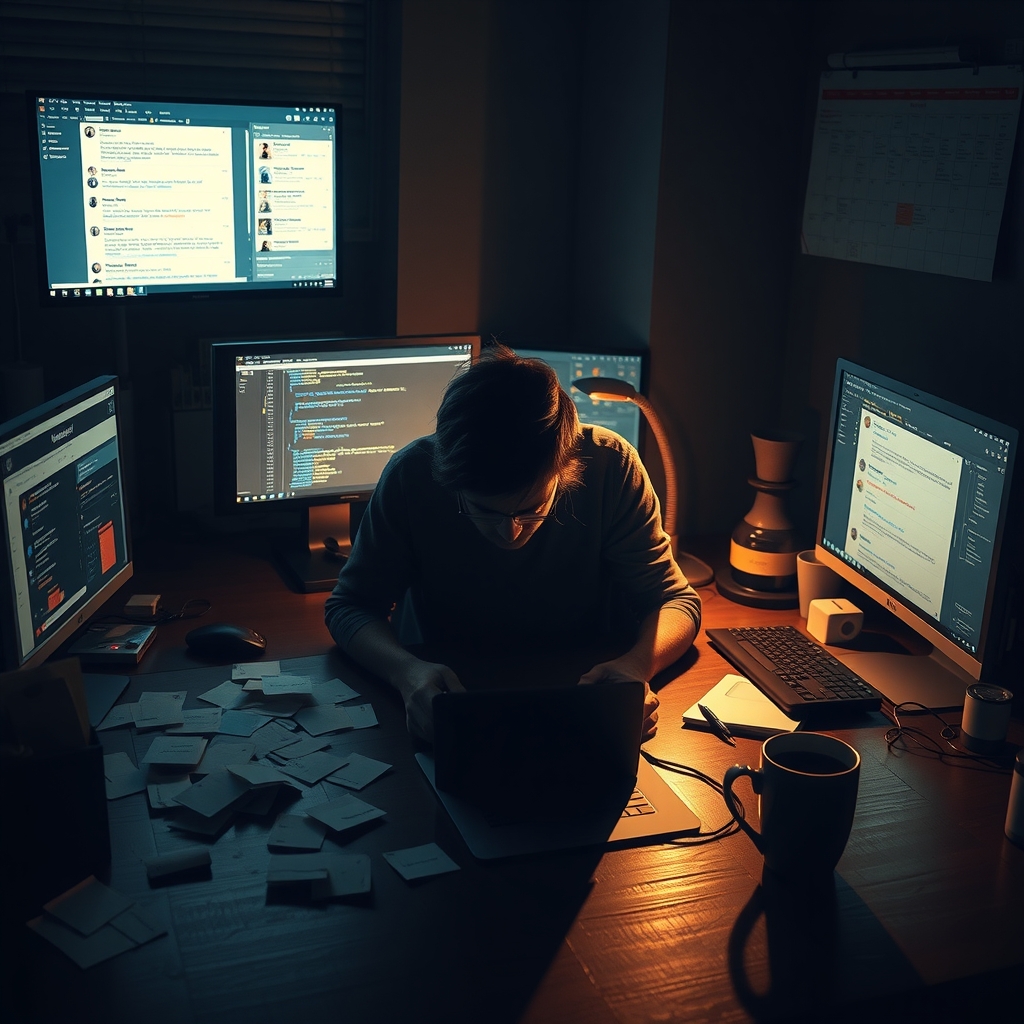
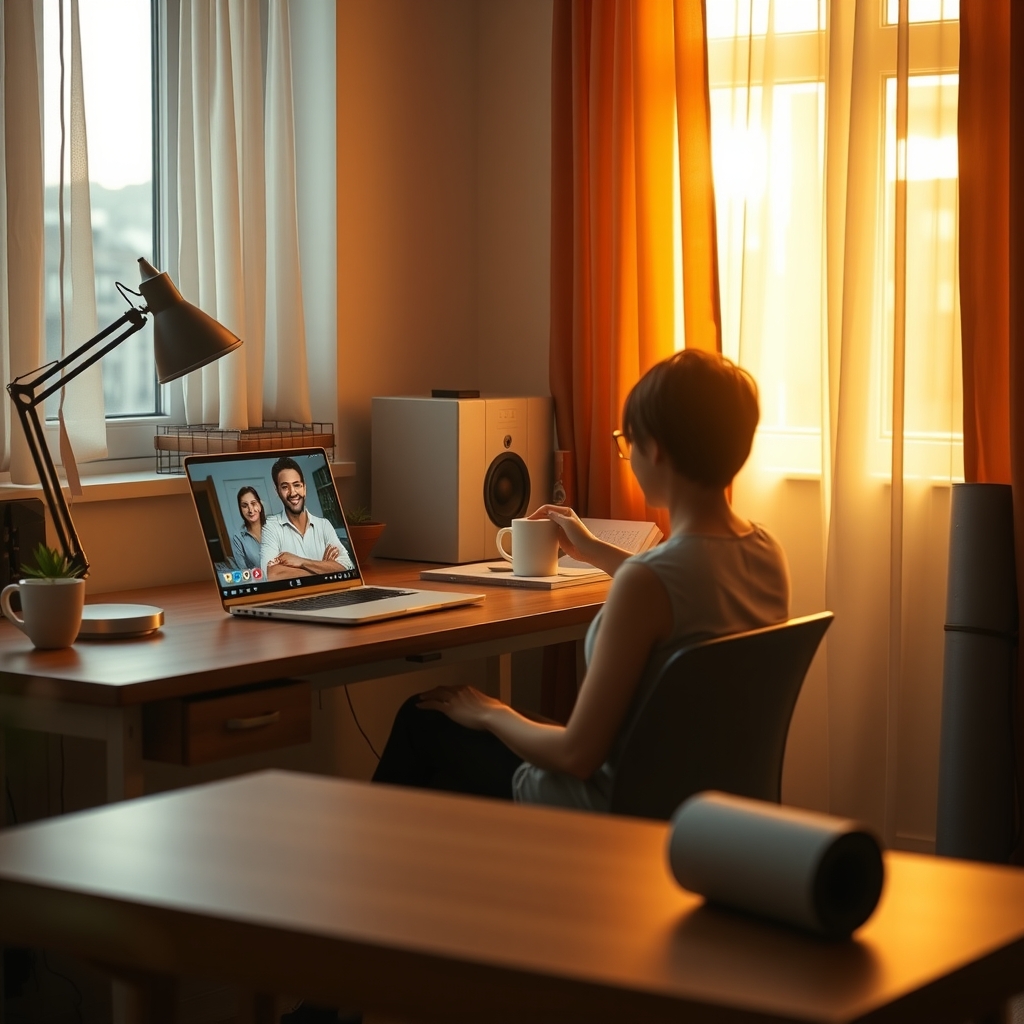
To make remote work truly work for you, the first step is to create your own sense of ritual. Have a coffee at a fixed time each morning, change into ‘work clothes’ even if you’re at home, then turn on a lamp at your dedicated workspace—this sends a clear signal to your brain that it’s work time. Conversely, when the day’s tasks are done, shut down the computer, draw the curtains, stretch or take a walk, and bring your focus back to life itself.
Secondly, proactively creating social connections is an effective antidote to loneliness. You can start a weekly virtual coffee chat that talks about hobbies rather than projects, or join an online book club, an online game night, or even a cross‑time‑zone fitness challenge. Though these interactions seem light, they continually inject fresh oxygen into your social network, diluting feelings of isolation with laughter.
Finally, visibility must be actively pursued. Regularly report progress to your leader, describing how you overcame challenges and created value—not just piling up data; in team meetings, voluntarily share lessons learned, even if it’s just a small tip; comment promptly on shared documents to highlight others’ contributions, which also naturally raises your own presence. Only by turning ‘being seen’ into a habit does remote work stop being invisible labor and become a recognized path of growth.
—— END ——
I’ve been working remotely for over a year and love the flexibility, but I still struggle to keep a steady routine. Does anyone have tips for separating work and personal time when your home is the office?
I’ve been working remotely for a year now, and the flexibility is great, but I miss the spontaneous hallway chats. The article nails the trade-offs.
Just finished reading the piece; it resonates with my own shift to hybrid this fall. The section on async communication hit home—our team’s been experimenting with lo-fi video updates and it’s cut meeting fatigue. Curious how others are balancing core hours across time zones.
I’ve been working remotely for a year now, and the article nails the trade‑offs—flexibility vs. blurred boundaries. The bit about async communication hit home; I’ve started setting clear “offline” hours to avoid burnout. Thanks for the balanced take.
I’ve been working remotely for a year now, and the flexibility is great, but I still miss those spontaneous hallway chats that spark ideas. Balancing focus time with virtual coffee breaks helps, though it takes extra effort to keep the team vibe alive.
I’ve been working remotely for a year now, and the flexibility is great, but I miss the spontaneous hallway chats that spark ideas. The article nailed the balance—thanks for the realistic take.