
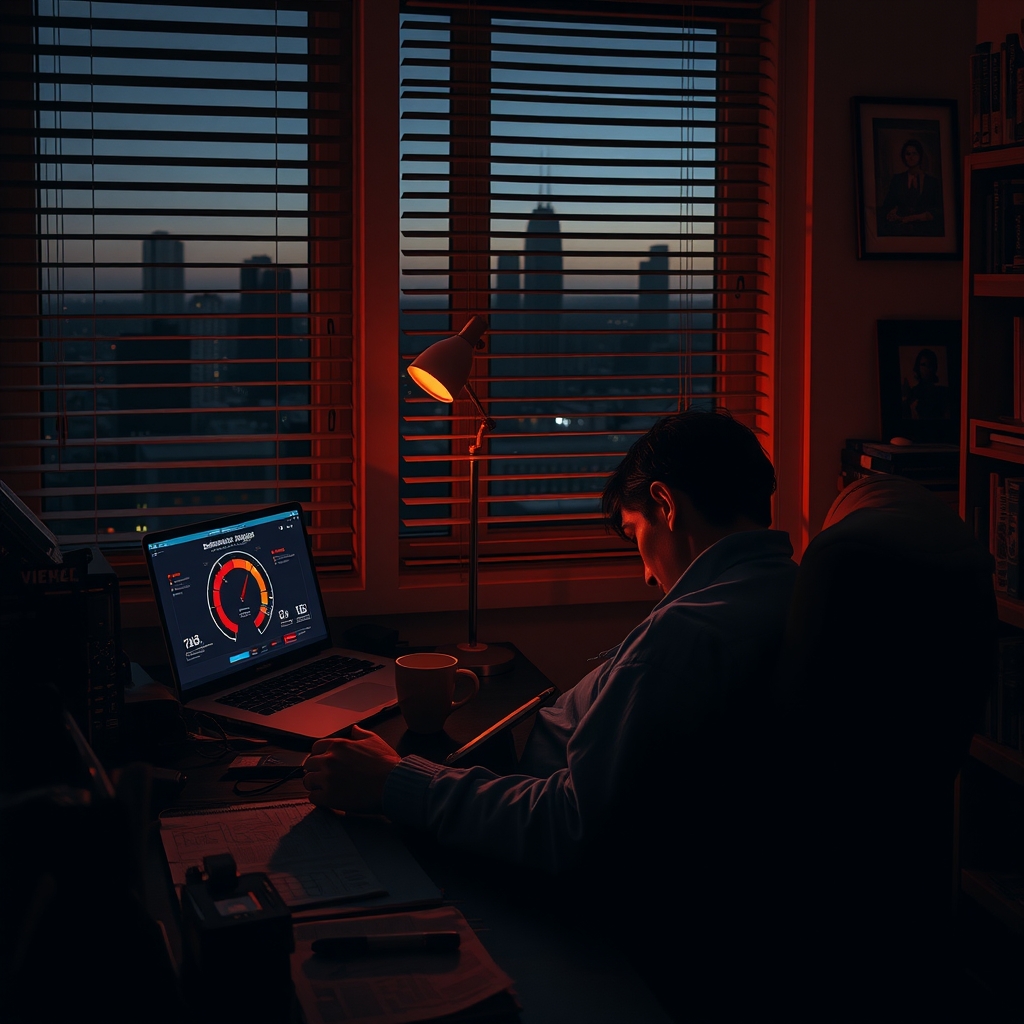
Tencent’s latest released ‘2025 China Elite Life Panorama Report’, based on the behavioral trajectories, consumption records, and psychological surveys of over ten million high-income individuals, presents a picture woven with glamour and fatigue. The report indicates that respondents with annual incomes exceeding 500,000 yuan spend an average of 9.3 hours per day on work and study, while rest and entertainment account for less than 20%. These figures are not just a pile of numbers; they are the true snapshot of countless people staring blankly at screens after late-night overtime.
The report further reveals that the elite’s fragmented use of time has reached an unprecedented level: awakened at 5:30 a.m. by a smart alarm, they immediately dive into the day’s schedule pushed by an AI assistant; on the subway commute they listen to podcasts to learn new skills; during lunch they speed-read in-depth industry reports via short-video platforms. This ‘time utilization rate’ is packaged as a symbol of efficiency, yet it unknowingly slices life into countless optimizable fragments.
Behind the shiny data lies persistent anxiety; elites begin to post fitness check-ins, overseas short trips, and limited-edition sneakers on their social circles, yet in private they suffer frequent insomnia and mood swings. A golden line in the report captures the truth: ‘What we possess is not only a higher salary, but also a deeper loneliness.’

On the consumption front, elites’ wallets are undergoing a shift from ‘ownership’ to ‘experience.’ The report notes that in 2025, high-net-worth individuals’ average annual spending on subscription services reached 21,000 yuan, including premium coffee boxes, online course bundles, and membership fees for virtual asset trading platforms. These services are no longer mere commodity purchases but rituals that construct identity.
Meanwhile, micro-travel and local immersive experiences have become the new trend. Respondents on average participate once per quarter in a themed camping trip, urban cultural walk, or private art exhibition, spending often less than half of what a traditional long-distance trip costs, yet gaining a strong sense of ‘being seen.’ A typical case in the report is a Beijing financial analyst who spends a fixed 3,000 yuan each month attending a private salon’s classical music gathering, believing it is the only way to find inner rhythm amidst the hustle.
However, behind this seemingly refined consumption lurks leverage risk. Data shows that 30% of high-income groups suffer credit card overdrafts due to overconsumption, with monthly interest payments exceeding their monthly savings. As living costs rise and income growth slows, elites’ sense of financial security is quietly eroding.

In terms of social relationships, the report indicates that elites present online a highly curated life: carefully filtered travel photos, precisely tagged restaurant locations, and daily morning motivational quotes. This performative socializing yields instant likes and attention, yet it makes genuine emotional exchange scarce.
The survey shows that over half of respondents admit that, despite having hundreds of social messages each day, they rarely have a friend to confide their deeper troubles. A Shanghai lawyer confessed in an interview: ‘I appear to be constantly traveling on my social circle, but in reality I haven’t sat down for a full meal with family in half a year.’ This phenomenon of ‘connected yet not intimate’ is becoming a common dilemma among the elite.
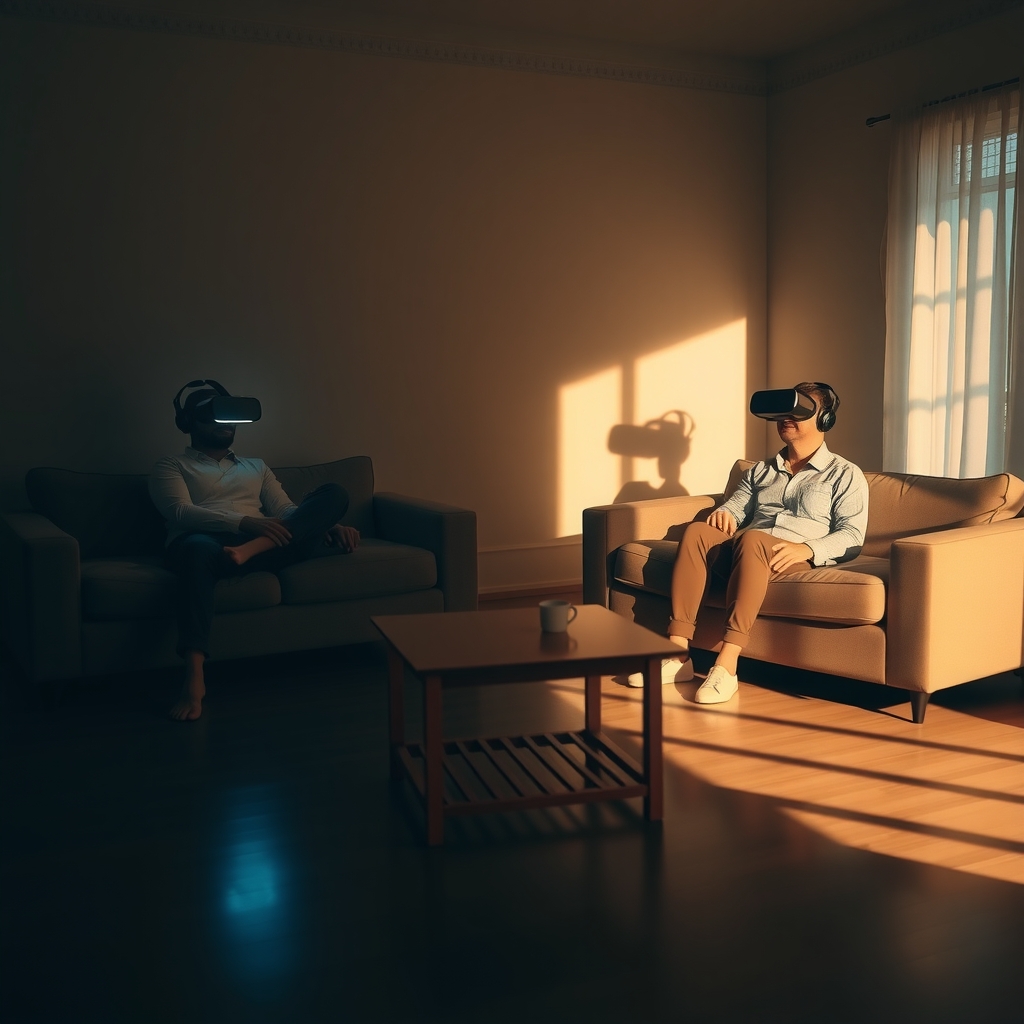
The report also specifically tracked a young couple who met via a virtual reality platform. They jointly complete tasks and attend virtual concerts in the metaverse, yet in reality they rarely meet due to time zone differences and work pressure. When asked if they feel lonely, both sighed simultaneously: ‘We have countless shared memories, yet rarely can we touch each other’s warmth.’
The health and psychological data are most alarming. The report shows that among the elite, one in three individuals sleeps less than six hours per week, and the proportion experiencing difficulty falling asleep and frequent night awakenings reaches 45%. Wearable device data indicate that their heart rate variability (HRV) overall declines, with stress indices consistently above the warning threshold.
Regarding mental health, the self‑screening positivity rate for anxiety and depressive symptoms among high‑income groups has risen to 22%, far above the national average. Although many companies now offer online psychological counseling, meditation app subscriptions, and stress‑management workshops, actual usage remains under 15%. Respondents commonly remark: ‘I know I need help, but taking leave to see a psychologist would be seen as lacking resilience.’
The report includes a particularly poignant story of an internet executive from Hangzhou: he once made a judgment error during a late‑night data audit due to extreme fatigue, triggering an internal audit uproar. After receiving psychological intervention, he still struggles to shake off his fear of performance upon returning to work, often waking at night with a racing heart, as if constantly bracing for the next evaluation.

Faced with these contradictions and challenges, the report goes beyond description and offers constructive suggestions. First, it advises companies to introduce ‘well‑being indicators’ into performance evaluations, incorporating employees’ sleep quality and subjective happiness to prevent waste of human resources from solely chasing output. Second, it urges policymakers to establish a ‘digital right to rest,’ clearly defining employees’ right to be undisturbed outside work hours to curb algorithm‑driven invisible overtime.
For individuals, the report urges elites to reassess their time allocation: set aside at least two hours each week for purposeless reading or leisurely walks in nature, allowing the brain to self‑repair in a non‑productive state. It also recommends keeping a journal or engaging in artistic creation to foster an inner dialogue, rather than relying solely on external likes for a sense of worth.
Finally, the report concludes with a poetic passage: ‘In the data torrent, we may be able to precisely measure the value of each second, yet we often forget to feel the warmth of that breath. True elite life should not be an extreme pursuit of efficiency, but a gentle guardianship of self‑integrity.’ This sentence is like a soft whisper that pierces the screen’s chill, pointing directly at anyone burning the midnight oil, scrolling through social feeds, yet feeling inexplicably empty.
May every reader, on the road to pursuing something better, remember to take care of themselves.

—— END ——
Just skimmed the Tencent 2025 China Elite Life report. The breakdown of spending on health tech and experiential travel is striking—shows how priorities are shifting even among high‑income groups. Worth a deeper dive if you’re into consumer trends.
Saw this cited in a wealth management seminar last month. The shift from real estate to financial assets in the tier-1 city cohort tracks with what my clients are doing, but the ‘spiritual consumption’ metric feels hard to quantify. Did they define the methodology for that section anywhere?
Just finished reading Tencent’s 2025 China Elite Life Panorama Report while having my morning coffee. The data on shifting consumption patterns among high‑income urbanites feels spot‑on, especially the rise in experiential spending. It’s a useful snapshot for anyone trying to understand today’s elite lifestyle trends.
It’s interesting to see how Tencent’s data shows elite consumers shifting toward experiential spending and wellness tech; it makes me reflect on my own spending habits.
Just read Tencent’s 2025 China Elite Life Panorama Report. The insights on digital consumption among high‑income urbanites feel spot‑on, especially the growth of micro‑subscription services. It matches what I’ve seen among my peers in Shanghai this year. Useful snapshot for marketers.
Just skimmed through Tencent’s 2025 China Elite Life Panorama Report. The stats on digital consumption among high-income groups are pretty striking—especially the rise in micro‑subscription services. It matches what I’ve seen among my friends in Shanghai. Worth a deeper dive if you’re into consumer trends.
Interesting numbers, but I wonder how the survey captured the gig‑worker segment that’s booming right now.
Thanks, Mike007! We included gig workers by partnering with platform data and adjusting weights; happy to share more details if you’re curious.
The report gives a interesting snapshot of how high‑income lifestyles are shifting, especially the rise of digital wellness habits. Would love to see more data on regional differences.
Just skimmed through Tencent’s 2025 China Elite Life Panorama Report. The data on digital consumption habits among high‑income urbanites is pretty striking—especially the surge in wellness app usage. Makes me wonder how my own spending compares. Would love to see a deeper dive into regional differences next time.
Interesting snapshot of elite lifestyles—makes you wonder how much of this is driven by platform ecosystems versus genuine consumer shifts.
Interesting snapshot of elite lifestyles—though I wonder how representative the sample is given the rapid urban shifts we’ve seen this year.
The report gives a clear snapshot of where China’s elite are putting their money—health, travel, and digital services. It’s useful for seeing how consumption is shifting right now.
The report gives a clear snapshot of where elite spending is heading—noticeable shift toward wellness and experiential services. Good to see the numbers backed by actual transaction data.
Just skimmed through Tencent’s 2025 China Elite Life Panorama Report. The data on how high‑income users are shifting toward experiential spending—like wellness retreats and niche hobby clubs—matches what I’ve seen among my peers. Interesting to see the rise of micro‑subscription models for premium content as well. Solid snapshot of where the elite consumption curve is heading right now.
The report offers a clear view of 2025 China elite lifestyles, highlighting the rise of digital wellness and experiential spending. It would be useful to see how these trends compare with the 2024 baseline they mentioned.
The report paints a vivid picture of today’s elite—mixing high‑tech convenience with a renewed interest in offline community spaces. It’s refreshing to see data that reflects what I’m noticing in my own city.
Interesting report! The data on elite consumption patterns really matches what I’ve seen in my circle lately. Thanks for sharing.
The report gives a useful snapshot of how elite consumption patterns are shifting post-pandemic, especially the rise in digital wellness services. It would be interesting to see how these trends compare with mainstream urban data.
The report gives a vivid snapshot of how high‑income lifestyles are shifting toward digital wellness and experiential spending. Interesting to see the rise of suburban co‑living spaces among elites.