

Internet hotspots are like fireflies on a summer night—fleeting yet capable of lighting up the whole sky. Have you ever paused while scrolling, heart racing, wondering what lies behind? These seemingly random bursts are actually the product of countless algorithms, emotions, and interests intertwined; they flicker before our eyes, yet often leave us lost in the noise.

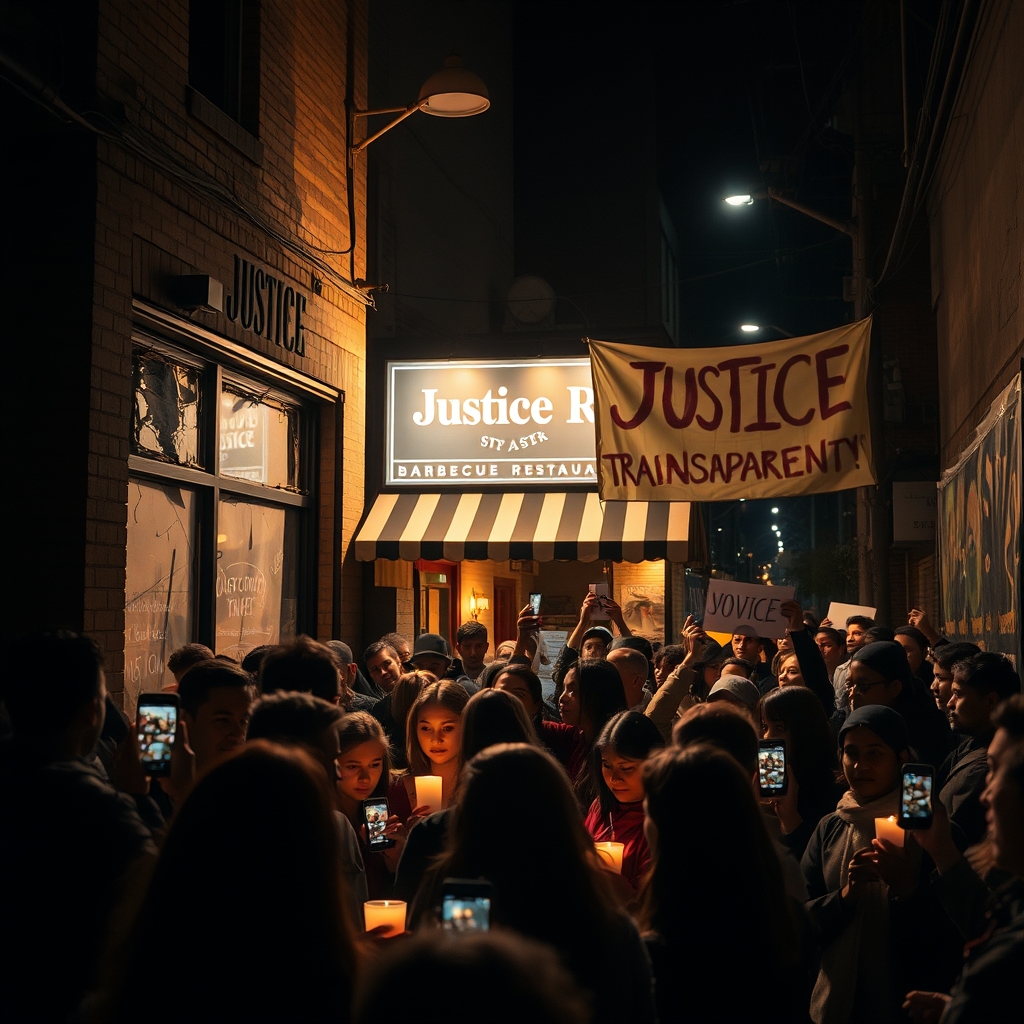
Taking the 2022 Tangshan barbecue restaurant assault as an example, the video’s release instantly enveloped the nation in anger and sorrow. The victim’s suffering was amplified, the perpetrators’ identities were uncovered, and the internet saw unprecedented support and condemnation. Yet the deeper truth is not merely the violent details, but a complex intertwining of gender power structures, local protectionism, and judicial transparency. After the incident escalated, it not only led to revisions of related laws but also turned doubts like “suspects revealing police connections” into a new focus of public oversight.
The trend of this event is evident: online hotspots are shifting from mere entertainment gossip to catalysts for social governance. The public is no longer content with merely watching; they now use fragmented information to demand institutional transparency, and even after the hype fades, they continue to follow up on developments. This shift from emotional outbursts to rational inquiry epitomizes the rise of public participation in the internet age.
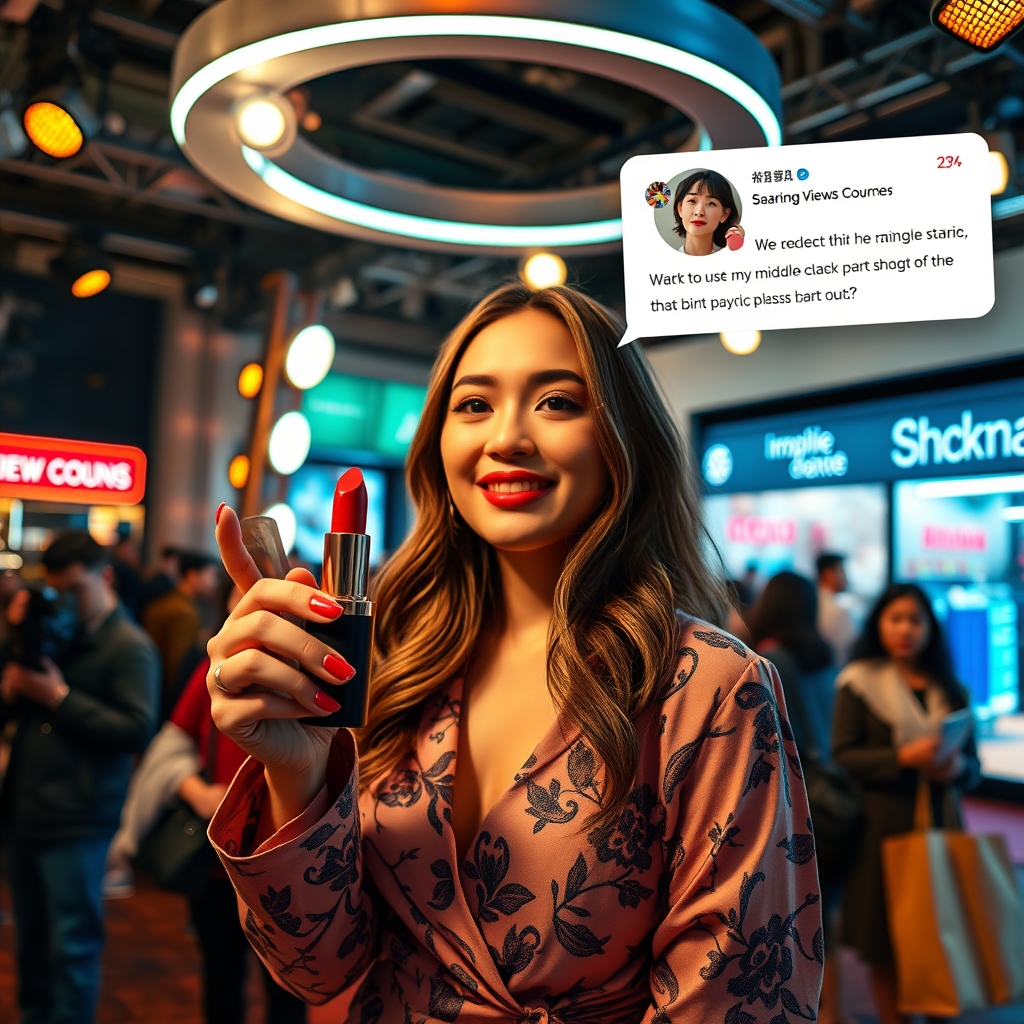
Another case worth examining is the 2022 ‘luxury lipstick’ controversy in Li Jiaqi’s livestream. When a netizen questioned the price of a certain lipstick, Li Jiaqi’s response sparked a nationwide uproar. What seemed like a simple price discussion actually reflected consumers’ deep concerns about ‘value for money’ versus ‘brand premium’. Behind the livestream’s traffic lie countless middle-class individuals torn between consumption upgrading and rational consumption.
The truth behind the incident is that the price controversy is not an isolated product issue, but a trust crisis that has emerged in the livestream e-commerce ecosystem after its rapid expansion. Netizens are beginning to scrutinize whether hosts’ discurso truly represents consumer interests or is hijacked by platform algorithms and commercial goals. This trend foreshadows that future online hotspots will increasingly focus on the intersection of consumer rights, platform accountability, and content authenticity.
Faced with this layered wave of information, how can we ordinary netizens stay clear-headed? First, learn to pause for a moment amid emotional impact and ask yourself: What is the source of this information? Is there any vested interest behind it? Second, cultivate the habit of cross-verification—don’t rely on a single platform’s lone report, but seek out official statements, professional analyses, and discussions from different perspectives. Finally, stay aware of your own emotions—anger, sympathy, or panic can be deliberately amplified; recognizing this prevents you from being hijacked by feelings.
Internet hotspots never cease, but the pursuit of truth can become our inner lighthouse. When we learn to discern and think amidst the information flood, hotspots are no longer merely tools that manufacture anxiety; they become mirrors that drive social progress. The future online ecosystem may become more decentralized, and the spread of truth will rely on the perseverance and wisdom of many ordinary people. Let us, with every scroll, not only see explosive headlines but also perceive the facts and humanity behind them that deserve respect.

—— END ——
The piece does a solid job tracing how micro‑trends explode into nationwide conversations, especially the part about platform algorithms amplifying emotion. I wonder if the author considered the role of offline meet‑ups in sustaining those spikes—would be interesting to see data on that.
I found the breakdown of how meme dynamics drive traffic quite insightful, especially the part about short‑form video spikes. It matches what I’ve seen on platforms like Douyin lately. One thing I’d love to see more of is data on how these hotspots translate into real‑world actions, like offline meet‑ups or policy discussions. Overall, a solid read.
The article does a nice job breaking down how China’s online hotspots flare up and fade, linking them to both platform design and user behavior. It got me thinking about the balance between virality and responsibility—especially after seeing a few local incidents blow up nationally this month. A solid read that feels relevant to what we’re seeing right now.
Hey, I really liked how the piece dissected the mechanics behind China’s online hotspot events—especially the section on platform algorithms and user psychology. It resonated with what I’ve seen trending on Weibo and Douyin this June, and the charts made the trends easy to grasp. Thanks for the clear, data‑driven take!
The article does a solid job of tying those flash‑in‑the‑pan online hotspots to the underlying mechanics of China’s digital ecosystem. I especially appreciated the bit about how platform algorithms can turn a niche topic into a nationwide conversation overnight. It would be great to see some concrete numbers on regional variations in engagement—would add another layer to the analysis.
I really liked the firefly metaphor—it captures how brief yet bright these online hotspots can be. The article does a solid job connecting recent events to wider patterns in China’s digital landscape. I’d be curious to see some stats on the average lifespan of these spikes across different platforms, but overall it was a thoughtful read.
Thanks, AlexChen! Glad the firefly analogy resonated. I’ll look into adding lifespan stats across platforms for a follow‑up. Appreciate your thoughtful feedback!
Hey Alex, I liked the piece—especially the firefly metaphor. It captures how quickly topics flare up and fade. I’ve noticed that in mid‑2026 the rise of AI‑generated memes on platforms like Douyin has added a new layer to those hotspots, making them both brighter and shorter‑lived. Would love to see more data on how regulation shapes the lifespan of these trends.
Hey Jay here. Just finished reading your piece on China’s online hotspot events. The firefly analogy was spot‑on and made the concept pop. I’m curious about the role of short‑video apps in driving these spikes—any chance you’ll dive into that in a follow‑up? Thanks for the insightful read!
I found the article’s breakdown of China’s online hotspot events both timely and insightful. The way it highlighted the move from pure click‑bait to more nuanced discussions—especially around recent e‑sports controversies—really resonated with what I’ve seen on platforms like Weibo and Douyin lately. The stats on engagement spikes were eye‑opening, and I’d love to see a deeper dive into how recommendation algorithms are evolving to balance virality with accuracy. Great read!
Really liked the firefly analogy—it perfectly captures how online hotspots flare up and fade. The stats on short‑video growth in Q1 2026 were especially insightful. Thanks for the clear, engaging breakdown!
I really liked the firefly metaphor—it captures how fleeting yet bright these online hotspots can be. The article did a solid job tracing the mechanisms behind the spikes, especially the way algorithmic pushes intersect with real‑world events like the recent summer music festivals. I’m curious if the author looked at how short‑form video clips amplify those moments even faster. Overall, a thoughtful read that felt relevant to what I’ve been seeing on my feed this June.
The piece does a solid job linking the rise of short‑video challenges to real‑world sentiment shifts. I especially appreciated the breakdown of how hashtags evolve across Weibo and Douyin in real time. It’d be great to see a follow‑up that looks at the impact on offline events, like flash mobs or pop‑up stalls.
Ha, indeed, feels good to see the analysis of China’s online hotspot trends. The firefly metaphor works well, and I appreciate the look at how platforms are adapting. Would love to see more on user sentiment shifts.
I found the breakdown of how micro‑trends evolve on platforms like Weibo and Douyin really insightful, especially the part about the role of short‑form video algorithms in amplifying niche topics. It matches what I’ve observed in my own feed over the past few months, where a single meme can spike and then fade within a week. Thanks for pulling together the data—definitely gave me a few angles to think about for my own research. Ha, yeah, feels good.
I really liked the firefly analogy—it captures how online hotspots flare up bright for a moment then drift away, reminding us to check the sources before the glow fades.
The piece does a solid job of mapping how fleeting online trends evolve into longer‑lasting narratives. I especially liked the analogy to summer fireflies—it captures both the brilliance and the brief lifespan of these hotspots. A quick read that sparked a few thoughts on how platforms could better surface lasting value amid the noise.
Really enjoyed the analogy of hotspots as fireflies—makes me think of those late-night scrolling sessions during summer. Good read!
Really enjoyed the breakdown of how meme culture drives those hotspot moments—felt like reading a snapshot of last week’s Weibo explosions. Good mix of data and anecdote.
Really enjoyed the breakdown of how meme culture drives these hotspots. The examples felt spot‑on, especially the recent short‑video surge. Thanks for the clear analysis!
The firefly metaphor hits hard. It really feels like that lately — everyone chasing the same three topics for 48 hours then total silence. Saw a friend’s small business get crushed by a misunderstood trend last week; the ‘truth’ part of your title is what platforms actively bury. Good breakdown on the algorithmic incentive loop.
Interesting read— the analogy of hotspots as fireflies really captures their fleeting nature. I wonder how the recent regulatory shifts are shaping the lifespan of these trends. Thanks for shedding light on the data behind the buzz.
The firefly metaphor really captured how fleeting yet bright online trends can be—felt like a nice reminder of how fast conversations move on Chinese social media.
Nice read! The firefly metaphor really captures how fleeting yet illuminating these online bursts can be. I especially liked the part about tracking sentiment spikes—reminds me of how we monitor trends on our own platform. Thanks for sharing.
The piece nailed how platform algorithms turn niche topics into nationwide chatter overnight. It felt familiar—just saw a similar spike with that dance challenge on Kuaishou yesterday.
Really enjoyed how the piece broke down the mechanics behind viral trends—reminded me of that meme surge last week on Weibo. Solid analysis, thanks for sharing.
Interesting read—especially the part about how short-video trends are shaping public discourse these days. Made me think about the balance between virality and factual reporting.
Really enjoyed the analysis of how meme cycles shape public opinion; the examples about recent livestream scandals were spot on. It reminded me of the discussions we had in our media studies group last week.