

The e-commerce landscape of 2026 is no longer an era where low-price volume could sustain survival. Platform policies shift frequently, traffic costs rise sharply, and many small and medium sellers find that the organic search they once relied on is now squeezed by paid advertising, eroding profit margins.
Late at night, staring at real-time backend data, the heartbeat often quickens not because of promotional events, but out of worry that tomorrow’s algorithm might once again bury your products at the bottom. Each refresh feels like probing a life‑or‑death line, and anxiety grips you like an invisible rope.
Are you still racking your brain over yesterday’s conversion rate? In fact, six major trends have quietly unfolded in labs and frontline warehouses around the world. They are not just technological iterations but also signals of profound shifts in consumer behavior. What you await is not a miracle, but the resolve to act first.

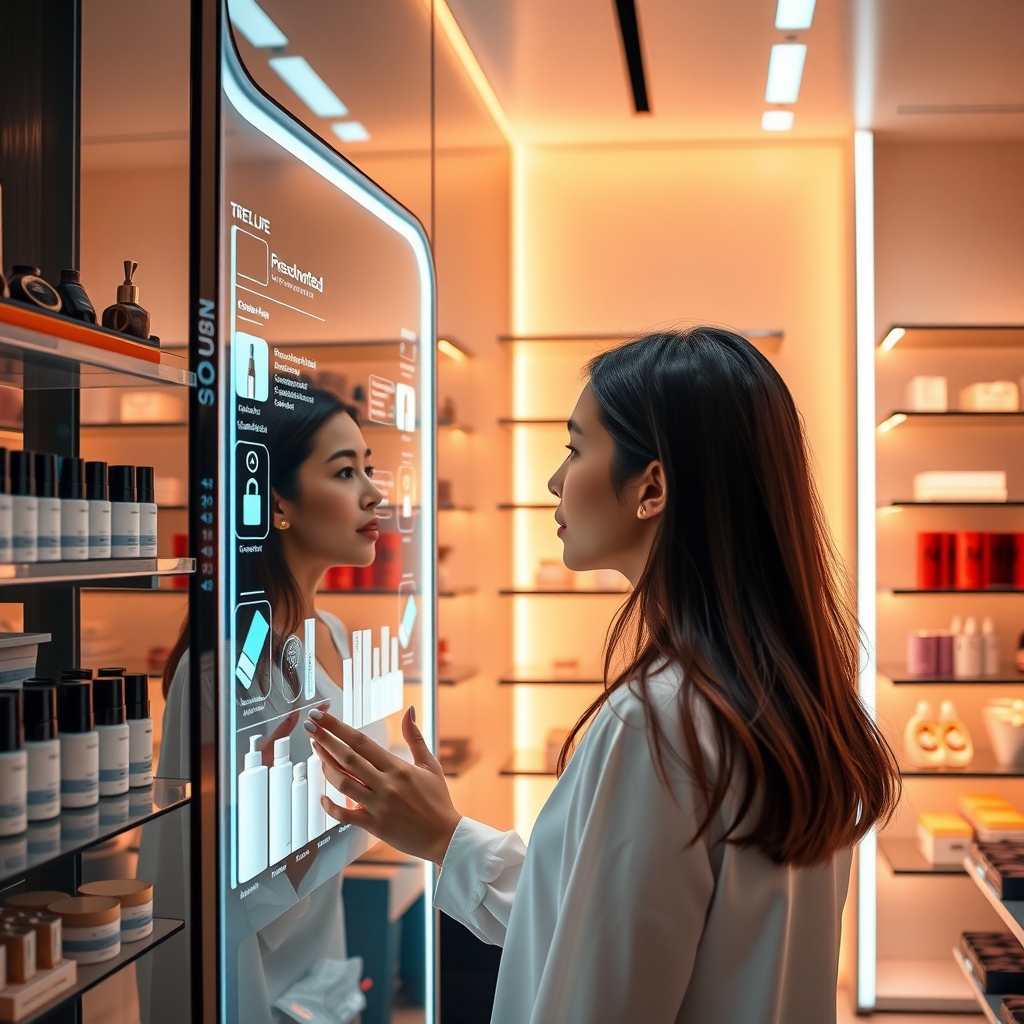
First trend: AI‑driven hyper‑personalized recommendation. This is not simple collaborative filtering; it combines visual, auditory, and even physiological signals in a multimodal large model capable of gauging user emotion and latent demand in milliseconds.
Taking a domestic cosmetics brand as an example, after introducing AI recommendation, average session dwell time increased from 45 seconds to 1 minute 20 seconds, conversion rate rose by 42%, and customer acquisition cost fell by 18%. The system can also dynamically adjust recommendation order based on real‑time inventory, effectively reducing dead‑stock.
However, personalization relies heavily on data. Brands need to build a first‑party data pool and achieve a data closed loop under compliance; otherwise, over‑reliance on third‑party cookies will make personalization fragile.
Third trend: Cross‑border micro‑fulfillment and localized warehousing. The fragmentation of global supply chains makes small‑batch rapid response feasible; micro‑warehouse nodes act like city capillaries, distributed in key consumer clusters, able to compress the last mile of cross‑border orders to within 24 hours. Taking a fast‑fashion brand as an example, after deploying micro‑warehouses in three Southeast Asian cities, orders that once took seven days to ship from China now arrive in an average of 18 hours, repeat purchase rate rose by 30%, and after‑sales complaints due to timing issues dropped by 60%.
Fourth trend: Green supply chain and sustainable consumption. Consumers’ sensitivity to carbon footprint is rapidly rising; a survey shows 62% of young buyers are willing to pay more for low‑carbon packaging. Brands are adopting biodegradable materials, reusable logistics boxes, and displaying carbon labels on product pages—this not only boosts brand favorability but also effectively reduces return rates.
Fifth trend: AR/VR technology enables consumers to try on apparel and test furniture in virtual space, cutting returns caused by size mismatch. After a furniture company introduced AR placement, its online return rate fell from 12% to 5%, while average order value rose by 11% as shoppers gained confidence.

Sixth trend: Decentralized blockchain business model. Smart contracts automatically execute royalty splits, inventory confirmation, and payment settlement; trust no longer relies on platform endorsement but on the immutability of the code. A luxury brand has put each handbag’s production process on‑chain, allowing consumers to scan a QR code to view material sources, craftsmanship steps, and logistics nodes—counterfeit rates have dropped by nearly 90%.
Seventh trend: Ownership and incentive mechanisms for data assets. Through a token‑based economy, consumer interactions—such as reviews, shares, or even participating in product votes—can be turned into transferable value, creating a genuine symbiotic relationship between brand and user. After a social commerce platform launched ‘Points Treasure’, monthly active users’ content output grew by 40%, and the resulting repeat‑purchase conversion increased by 18%.
Are you still fretting over yesterday’s traffic anxiety? Still hesitating whether to embrace change? Now is the moment to break through—pick up data as your weapon, use technology’s warmth to stir consumers’ hearts, and let your brand not only survive but lead the way in the erupting wave.

—— END ——
Really enjoyed the breakdown of the six trends—especially the section on social commerce integration. I’ve been experimenting with live‑shopping on TikTok for my niche shop and saw a 22% lift in conversion last month. The part about AI‑powered inventory forecasting also resonated; we just rolled out a pilot and it’s cutting overstock by roughly 15%. Thanks for the practical insights!
Just finished reading the piece on 2026 e-commerce trends; the point about AI-driven personalization really resonated with how I’ve been tweaking my store’s recommendation engine this week. Good insights for Q4 planning.
Really liked the breakdown of the six trends, especially the part about AI-driven personalization. Feels spot-on for what I’m seeing in my own store this October. Thanks for the practical tips!
Really liked the breakdown of AI-driven personalization and social commerce. The point about micro-fulfillment hubs resonated with my own experience managing a small Shopify store—definitely worth experimenting with.