

To break through, the first step is not to follow the trend, but to bring your focus back to the audience’s deepest pain points. For example, a parenting blogger stopped chasing ‘baby food recipes’ and repeatedly saw in late-night parenting forums the comment ‘Mom breaks down after baby wakes up at night.’ She then locked onto the topic ‘the helpless feeling at 3 a.m.,’ and the video’s click-through rate instantly tripled. True topic selection isn’t about looking at hot search lists; it’s about digging into the comment section, search dropdowns, and even private messages to uncover those unspoken resonances that make people scroll endlessly late at night.

The title and the first three seconds are the gate of content; if you fail to grab attention here, no matter how good the rest of the story is, it’s wasted. The opening of a viral short video is often a strong contrast or a soul‑stirring question: ‘How long has it been since you stayed awake at 3 a.m. over a small matter?’ This kind of opening not only creates suspense, but also subconsciously pulls the audience into the same emotional frequency.
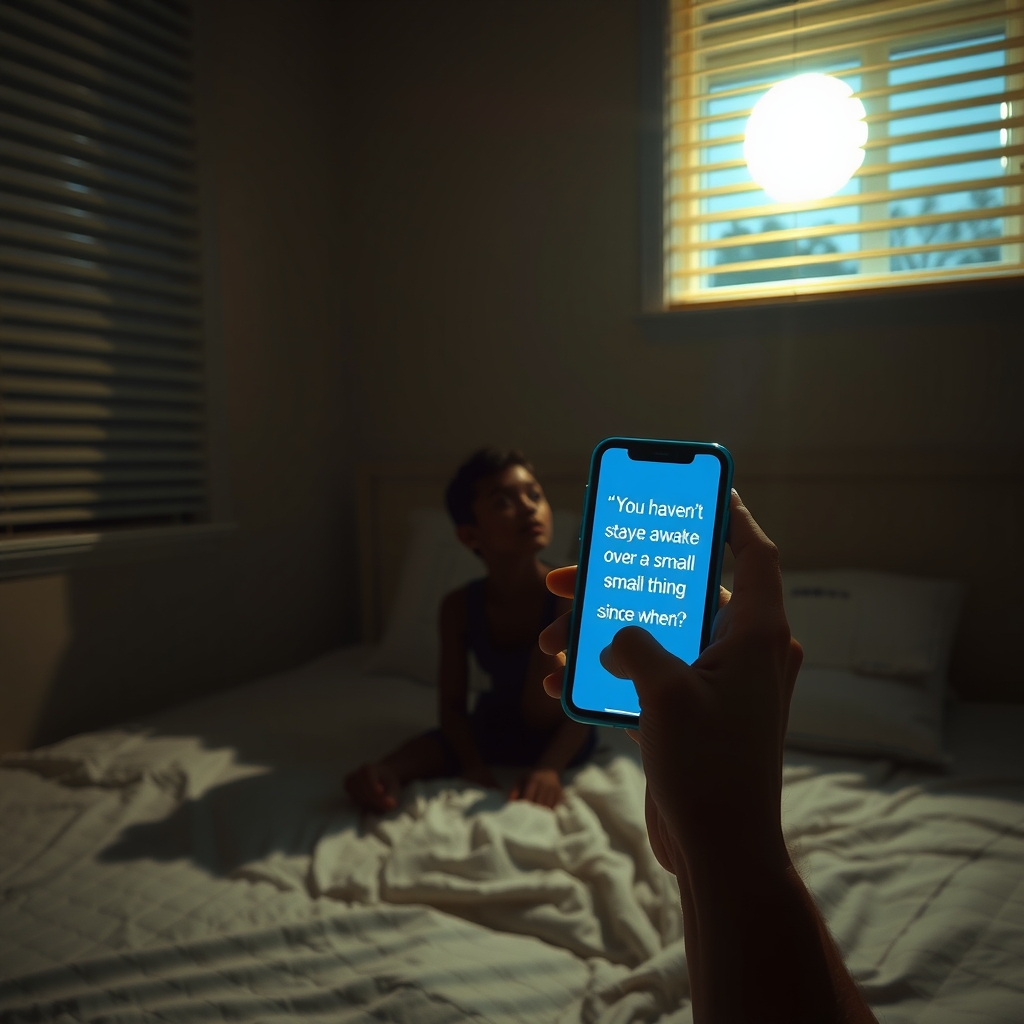
The subsequent narration needs to be like a roller coaster: first create tension, then give release. You can use a three‑act structure: Act 1 presents the problem—for example, someone who always sweats facing the air conditioner after overtime; Act 2 shows the struggle—he tries various methods but to no avail; Act 3 brings the turning point—an unexpected small habit sends his sleep‑quality index soaring. Throughout this process, every emotional swing must be backed by concrete details, such as describing the moment he puts his phone on the nightstand, the notification light on the screen suddenly goes out, and the room falls instantly silent.

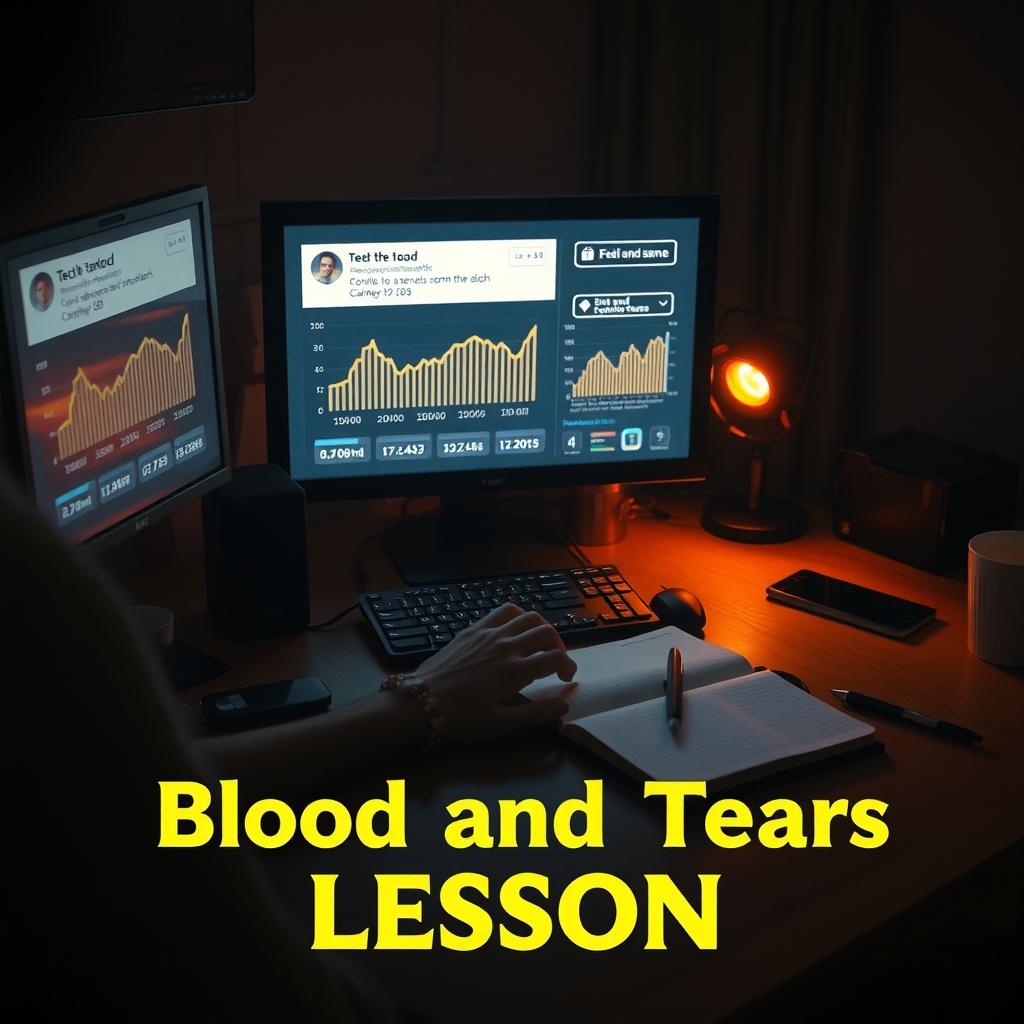
Data isn’t cold numbers; it’s the echo of the audience’s emotions. The completion rate, average watch time, and comment sentiment in the first half hour after publishing are the dashboard for judging whether the content hits the mark. If you notice an unusually high drop‑off rate in the first five seconds, you need to go back and polish the hook; if comments frequently contain phrases like ‘I feel the same,’ it means the emotional resonance point has been captured, and you can amplify this detail in future works. A tech UP once A/B tested two titles and found that the version containing the six‑character phrase ‘blood‑and‑tears lesson’ boosted completion rate by 22%, so he fixed this expression as his signature style.
—— END ——
The breakdown of hook, format, and distribution is clear. I wonder if you could add a quick case study showing how a tweak in the hook changed the virality metric for a similar niche.
I found the breakdown of hook, story, and CTA really useful. Tried the 3-step template on my last TikTok and saw engagement jump. Thanks for sharing!
Just read this while taking my coffee break—solid breakdown of the hook→retention loop. I especially liked the part about leveraging micro-trends on TikTok; tried it yesterday and saw a bump in engagement. Thanks for the actionable tips!
I found the breakdown of hook, format, and distribution really useful—especially the tip about leveraging niche communities early on. Would love to see a case study on how the algorithm shift affected reach last quarter.
Really liked the breakdown of the hook‑to‑share loop; the part about leveraging micro‑trends on TikTok felt especially relevant given how the algorithm shifted this month. Tried applying the ‘first 3 seconds’ tip yesterday and saw a bump in retention. Would love to see more examples from niche markets next time.