
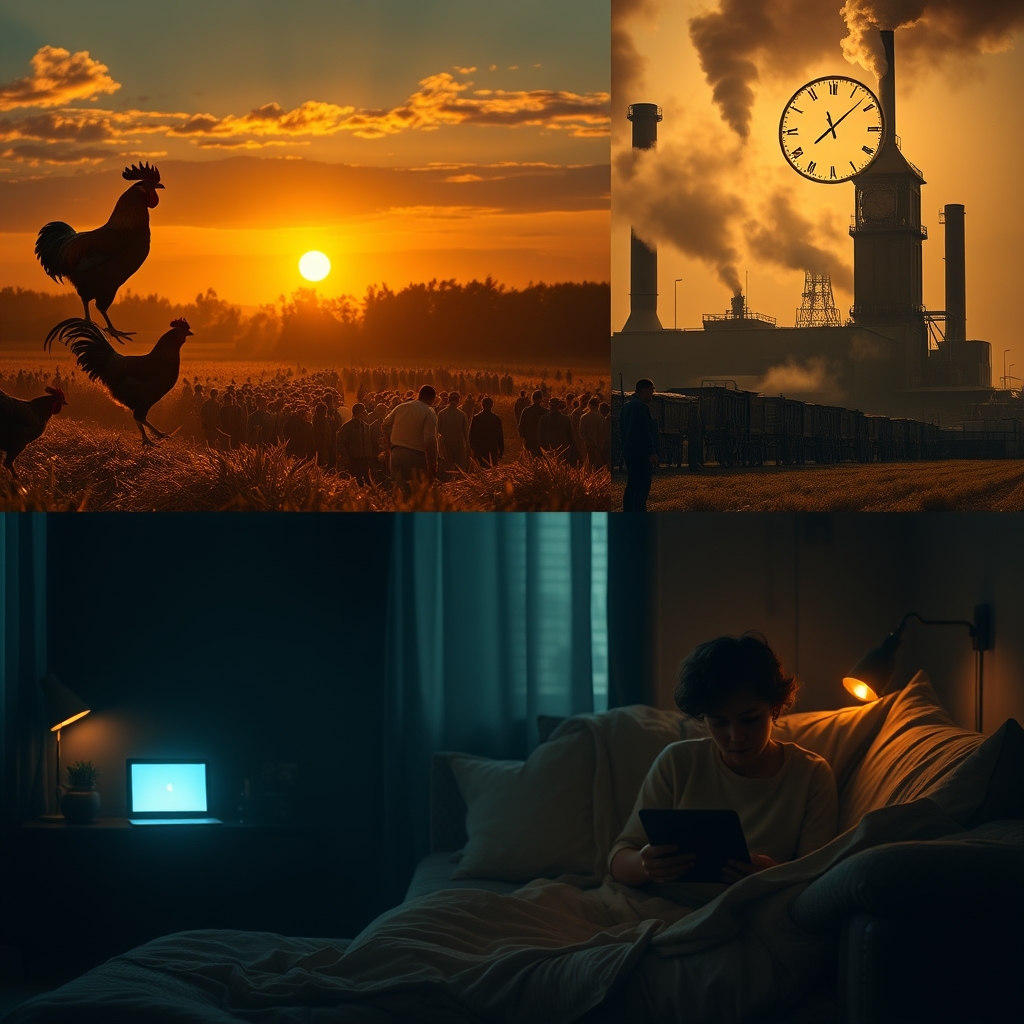
Looking back a hundred years, most people still lived according to the rhythm of the land. They rose with the rooster’s crow at dawn, worked from sunrise to sunset, and rested at dusk; harvest and fatigue coexisted, yet there were clear beginnings and ends. The turning of seasons, the growth of crops, and family reunions formed a cyclical, natural sense of time. People’s sense of worth often came from a bountiful granary, children’s health, and mutual aid among neighbors.
The arrival of the Industrial Revolution shifted the measure of time from nature to the tick of machines. Factory whistles set the rhythm of the workday, and the clock became the gauge of labor. People began to learn to repeat the same motions within fixed time slots, and assembly-line efficiency was amplified to unprecedented heights. At this point, “time is money” was not just a slogan; it became a rule of survival.
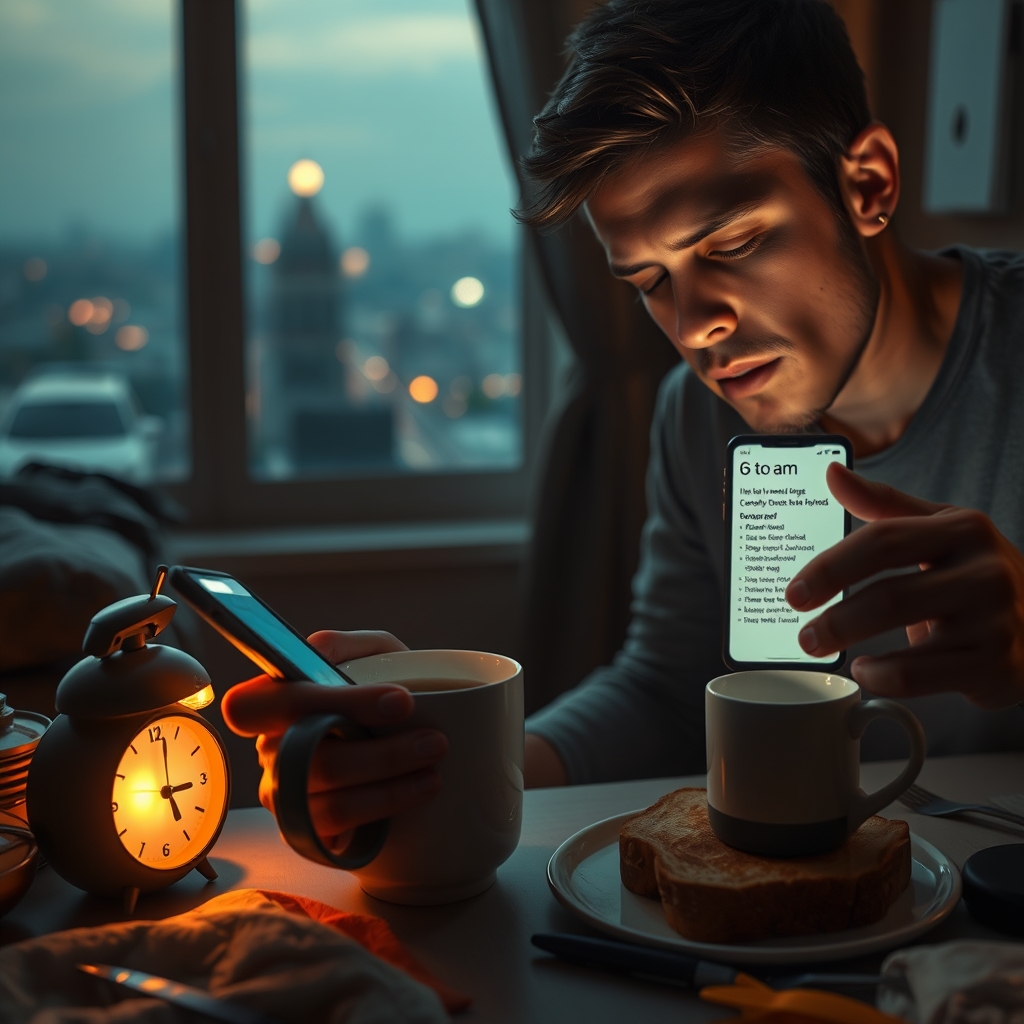
In today’s digital age, this timing precision has been pushed to the millisecond level. The vibration of smartphones, email pushes, and meeting reminders leave us hardly any breathing room. Work is no longer confined to office walls; it follows you into the bedroom, the café, even vacation islands. We seem to be tightly bound by an invisible net, constantly awakened anywhere, anytime by messages that “need a response.”
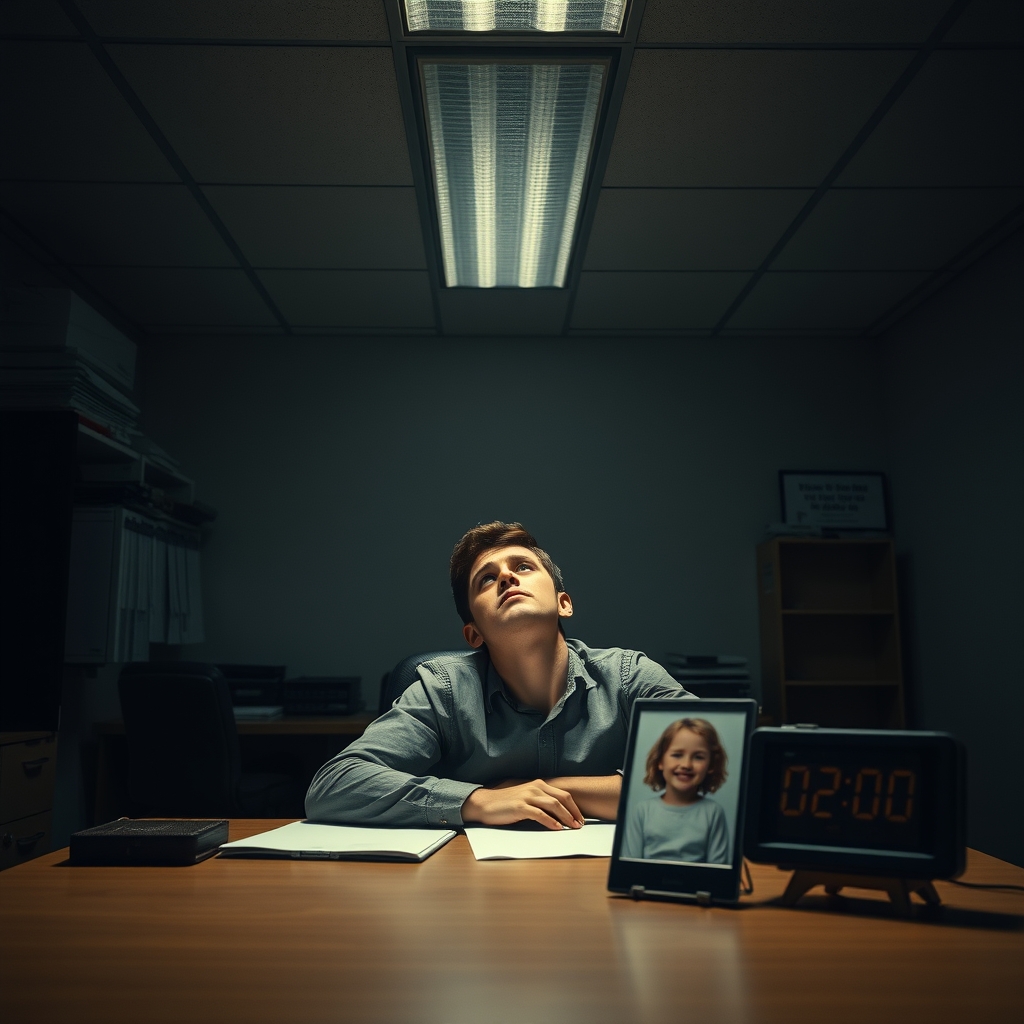
Prolonged, high-intensity work has led more and more people to show symptoms of occupational burnout. According to a certain organization’s survey, over sixty percent of white‑collar workers feel physically and mentally exhausted each week, and nearly thirty percent say they have lost enthusiasm for work. Fatigue is not only manifested in bodily aches; it seeps into emotional cracks—losing interest in projects once taken pride in, feeling numb to colleagues’ jokes, and even developing a sense of detachment toward family care.
When you finally shut down your computer late at night and stare at the ceiling in a daze, a question often pops up in your mind: Who am I really working for? Can the performance bonus earned from overtime fill the inner void? Does the title earned after a promotion truly bring comfort in the late hours? These rhetorical questions usually have no answers, yet they let loneliness spread silently.
Take, for example, Senior Engineer Xiao Li from an internet company, who works fourteen hours a day and is often called back on weekends to handle emergencies. Over two years, he gained fifteen jin (about 7.5 kg), his cervical spondylosis flared up, yet he was awarded the title of “Outstanding Employee” at the year‑end review. At the award ceremony, colleagues showered him with congratulations, while he quietly wiped tears beneath the podium—because that night he missed his daughter’s first utterance of “dad.”
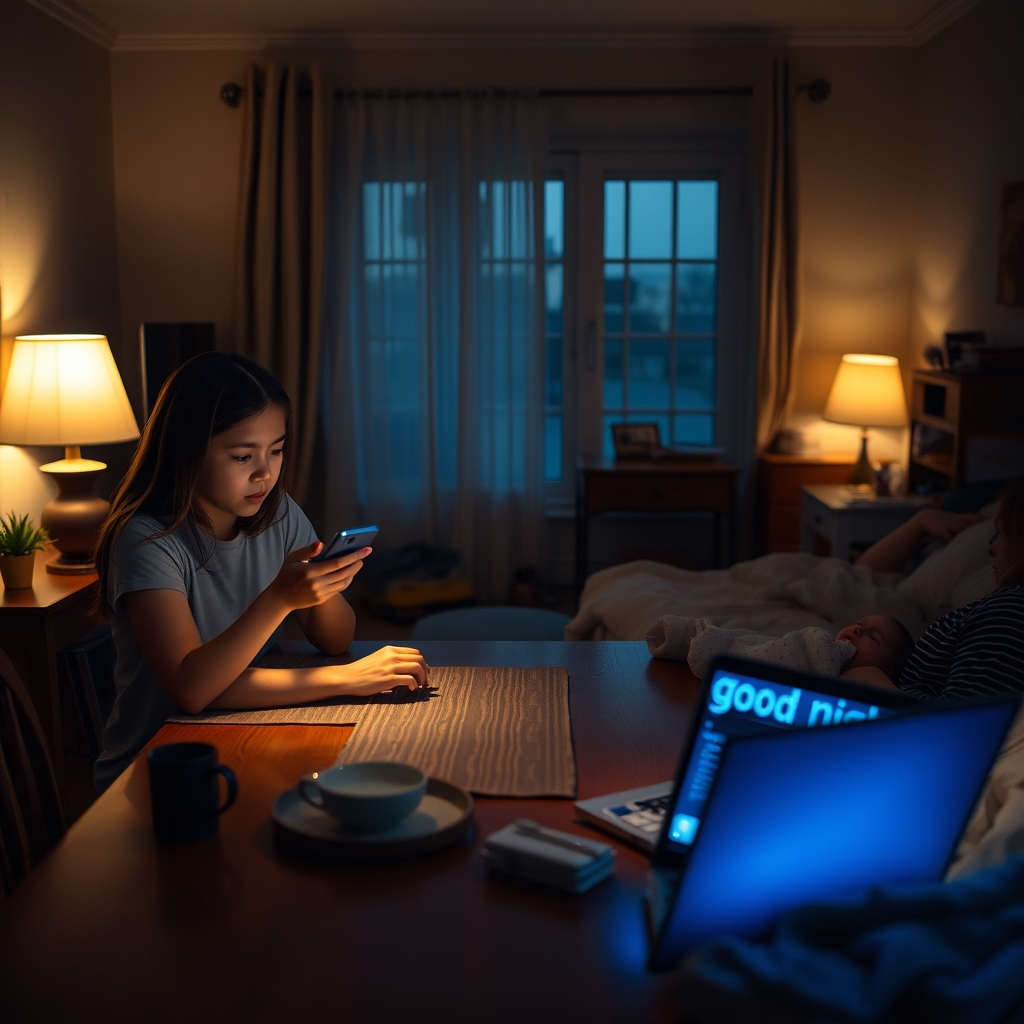
An efficient work model not only devours personal time but also quietly erodes our most intimate relationships. Conversations around the family dinner table are gradually replaced by the glow of phone screens; parents ask what their children learned at school today, while the children, heads down, scroll short videos and answer perfunctorily, “Nothing.” Partners’ good‑night kisses become a “good night” emoji sent by the other, and tender glances are supplanted by the unread‑message count on a screen.
Friendship, too, has become unrecognizable in fragmented socializing. We may have thousands of “friends,” yet few truly know what’s been bothering you lately. Likes and comments have become the currency of maintaining relationships, while deep confession and silent companionship are seen as inefficient or even troublesome. Thus, even in a crowd we often feel an indescribable isolation—there is sound around us, but no genuine listening.
There is a young mother, Xiao Mei, whose first act after getting off work each day is to record a video of her baby and post it to her social circle with the caption “Today’s baby is obedient and adorable again.” The baby in the video laughs brightly, and the comment section floods with likes. In reality, however, Xiao Mei often scrolls through work emails while trying to lull her baby to sleep, silently calculating tomorrow’s KPIs. She has whispered late at night to her sleeping baby, “Sorry, Mom really can’t tear herself away right now.”
In the gaps of fatigue and loneliness, many people are trying to rewrite the ritual of slowing down into life. In the morning, instead of skipping brushing teeth, they stand before the mirror, watching themselves slowly squeeze out toothpaste, feeling the minty coolness spread in their mouth; on the commute, they forgo scrolling news and choose to listen to a gentle piano piece, letting their thoughts sway with the music.
Communities have also seen many small changes. For instance, residents of an old neighborhood spontaneously organized a weekend garden, everyone turning the soil, sowing seeds, and watering together. Although the harvest is not abundant, the scent of the earth finally gives people a reason to pause, to chat about each other’s children and parents’ recent situations, and laughter flies between the vegetable rows. Moreover, some companies have begun piloting “meeting‑free afternoons,” encouraging staff to read, take a walk, or simply day‑dream during that period—and they discovered that creative output actually increased.
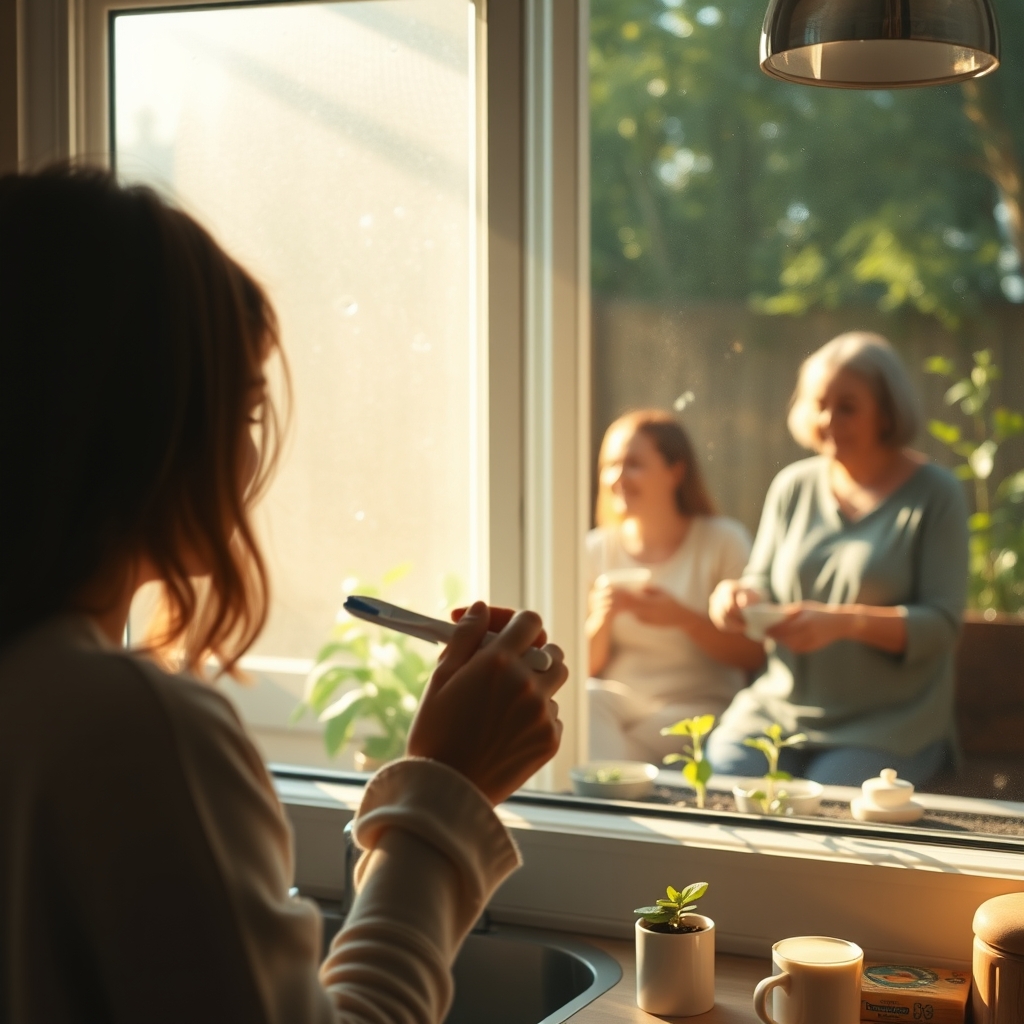
These seemingly trivial practices are actually rebuilding our connections with time, with ourselves, and with others. When we allow ourselves the time to sip a hot tea without counting it toward KPI, inner anxiety gets a chance to settle; when we are willing to listen to a friend’s silence rather than rush to offer advice, genuine companionship can begin to sprout.
—— END ——
Really enjoyed the perspective—makes you realize daily life a century ago wasn’t that different from today.
Really enjoyed the perspective on how life was a century ago; it made me appreciate the little conveniences we often overlook today. Thanks for sharing!
The 1926 comparison hits different. My grandma was born that year — lived through the Depression, the war, and got her first smartphone at 89. Perspective changes everything. Good piece.
Really enjoyed this piece—seeing how people lived a hundred years ago puts today’s conveniences into perspective. It’s striking how some things haven’t changed at all.
Really enjoyed the perspective on how daily life hasn’t changed as much as we think. It reminded me of my grandparents’ stories.
Really enjoyed the historical perspective—makes you think about how daily life has shifted. Thanks for sharing!
Really enjoyed the piece—makes you think about how daily routines have changed, yet some things stay the same. Thanks for sharing!
Really enjoyed the piece—makes you realize how similar our routines are to those a century ago.
Really enjoyed the perspective on how daily life has changed over the last century. It made me think about how we often take modern conveniences for granted. Thanks for sharing!
Thanks, MikeLi! Happy you liked the perspective.
Really enjoyed the historical perspective; it reminded me of my grandparents’ stories about daily life back then. Thanks for sharing.
I really appreciated the historical perspective you shared; it reminded me of how daily routines have shifted even in just the last decade. Thanks for the insight!
Really enjoyed the historical angle; it got me reflecting on how much everyday life has shifted even in the past ten years. Thanks for the share!
Really enjoyed the perspective on daily life a century ago. It made me think about how much convenience we take for granted today.
Thanks, Mike2025! I’m glad the glimpse into early‑20th‑century routines resonated. It’s funny how those ‘simple’ chores feel like a workout compared to today’s one‑click life.
Really enjoyed the perspective on how daily life was a century ago—makes you appreciate modern conveniences without romanticizing the past.
Really enjoyed the perspective on how daily life has changed over the last century. The photos reminded me of my grandparents’ stories. Thanks for sharing!
Really puts things into perspective—hard to imagine how different daily life was just a century ago.
Really enjoyed this piece. It’s striking to see how daily life a hundred years ago still feels relatable in some ways, especially after the changes we’ve witnessed just since early 2026.
I really appreciated how the piece connected past lifestyles to today’s habits; it made me think about my own routines. Thanks for sharing!
Thank you, MikeZ! I’m glad it sparked reflection on your routines—history often hides useful habits we can revive. Let me know if you’d like more deep‑dives!
It’s striking how much daily life has changed in just a hundred years—makes you appreciate the little conveniences we take for granted today.
This piece really hit home—reading about life a century ago made me think of the old photos my grandma used to show me.
Really enjoyed the historical perspective. It reminded me of my grandparents’ stories about daily life back then. Thanks for sharing!
Glad you liked it, MikeyLee! Hearing those family tales makes history come alive — thanks for sharing your grandparents’ memories, they add a wonderful personal touch.
Really enjoyed the piece. It reminded me of my grandparents’ stories about farming in the 1920s—how much has shifted in just a century. Thanks for sharing.
Really enjoyed this look back at daily life a hundred years ago. It’s striking how much has changed in just a few generations.