

In today’s world where short videos dominate feeds and AI-generated content floods in like a tide, many people lament: SEO is dead, and traffic can only come from algorithmic pushes. But have you noticed that some sites still hold steady positions on the first page of search results, and are even cited as authoritative sources in AI‑generated answers? Is this just a temporary illusion, or has the underlying logic remained unchanged all along? In fact, according to third‑party monitoring, over 45% of traffic growth in the past six months still comes from organic search, while the ROI of paid advertising is declining.
In reality, search engines have never been simple keyword‑matching machines; even in the era of large models like GPT‑4 and Gemini, they still need reliable signals to decide which content deserves to be shown. These signals include the clarity of page structure, the completeness of data markup, the soundness of internal linking, and genuine user behavior on the page. If we feed these signals to search engines, traffic will naturally follow, and improvements in ranking often come with higher click‑through rates and lower bounce rates.

The first strategy that drives traffic explosion is deep content customization based on search intent. Traditional SEO stops at single keywords like ‘buy shoes,’ whereas users in the AI era often type longer, question‑style queries such as ‘Which brands offer high‑value, slip‑resistant winter boots that pair well with down jackets?’ Matching just the root word is far from enough to satisfy their decision‑making chain. We need to break intent into three layers—informational, comparative, and transactional—so we can craft content that truly meets user needs. By leveraging BERT‑based semantic analysis or a custom intent‑labeling model, we can quickly map massive search logs onto these three layers and prepare corresponding content templates for each, achieving precise coverage.
We split intent into three layers: informational (what users want to know), comparative (what they want to compare), and transactional (what they want to buy). Using natural‑language‑processing tools—such as BERT‑based semantic analysis or a custom intent‑labeling model—we can map vast search logs onto these layers and then prepare matching content templates for each. One online education platform, for example, expanded its ‘Programming Introduction’ page into three sub‑pages; two months after launch, long‑tail keyword click‑through rate rose 68% and overall organic traffic grew 42%.

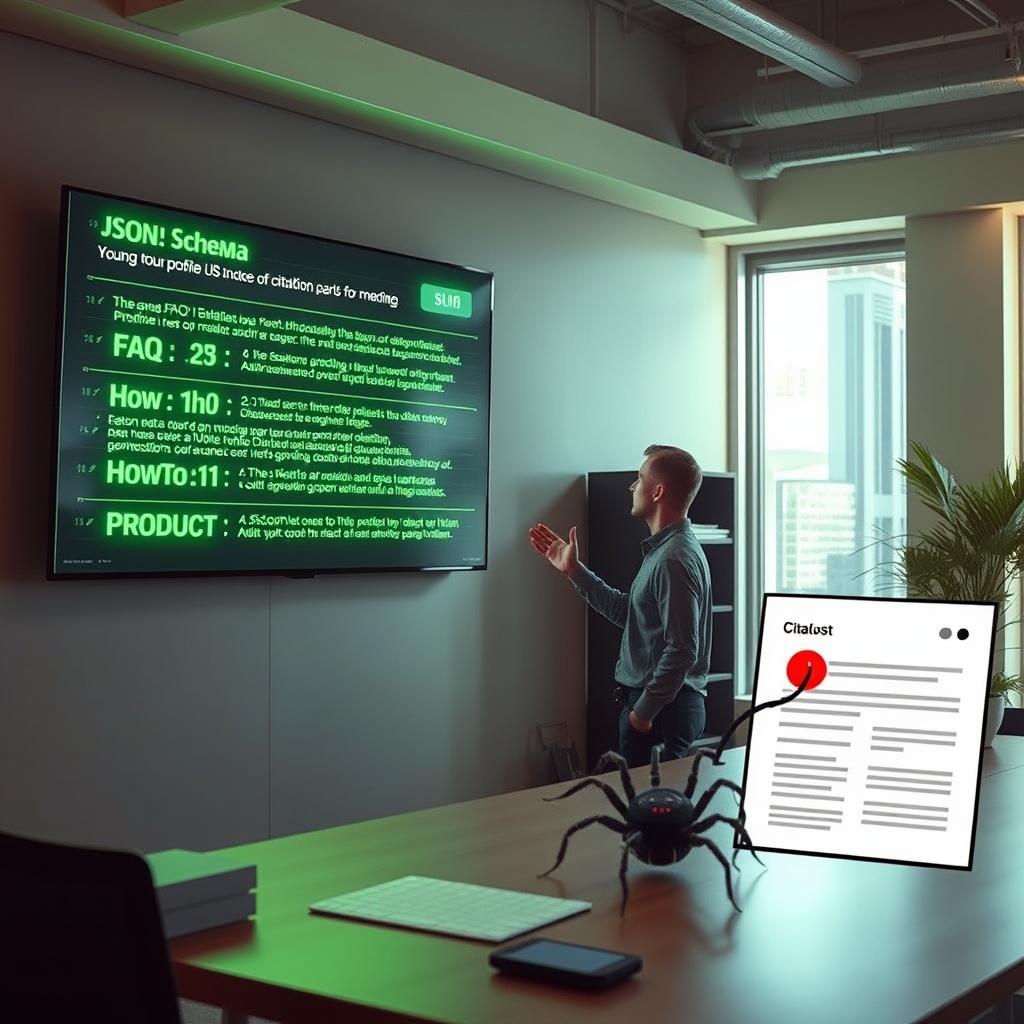
The second crucial point is structured data and AI‑friendly markup. When search‑engine crawlers parse a page, they first look for schema.org markup to quickly grasp the entity relationships; in generative search, AI overviews often pull FAQ, HowTo, or Product structured data directly to generate answers, so the completeness of the markup directly influences the chance of being cited. Therefore, adding full FAQ, HowTo, and Product schema to a page not only helps crawlers pick up key information faster, but also boosts the likelihood of being cited in AI‑generated answers, leading to higher placement and click‑through rates.
Thus, adding FAQ schema to articles, Offer and Review schema to product pages, and even step‑by‑step HowTo markup to tutorial‑type content enables AI to prioritize your content when generating answers. When implementing, pay attention to attribute completeness—for example, missing fields like priceCurrency, availability, or reviewRating can cause you to lose rich‑media display opportunities. A tech news site, in early 2024, added Product and Review schema to all its in‑depth review articles; three months later, the frequency with which its articles were cited in Google’s AI overviews rose from 5% to 23%, click‑through rate (CTR) increased by 41%, and bounce rate dropped by 12%.
The fourth key lies in user‑experience technical metrics and AI optimization. Even though AI can generate answers, search engines still treat page load speed, interactivity, and visual stability as important ranking signals—namely Core Web Vitals. By using machine‑learning models to monitor resource loading in real time, you can automatically trigger optimizations such as WebP conversion and lazy loading; AI‑driven layout tools adjust CSS according to each device’s viewport, reducing cumulative layout shift (CLS) and boosting overall performance.
A SaaS platform introduced this AI optimization system in Q4 2023; two months later LCP dropped from 4.2 seconds to 1.8 seconds, FID fell from 35 ms to 12 ms, and CLS decreased from 0.28 to 0.08. Organic search traffic grew from 80,000 to 128,000 visits per month, and conversion rate rose by 19%. More importantly, all these technical tactics are merely tools; what truly determines success is treating SEO as a long‑term investment in brand credibility rather than a one‑off trick bag. By keeping the user at the center and continuously iterating content and technology, SEO in the AI era will not die out—it will become the strongest engine driving your traffic explosion.

—— END ——
Yeah, I’ve tried a few of those AI‑assisted SEO tactics—structured data plus intent‑based clustering—and saw a noticeable traffic bump last month. Solid read, definitely worth experimenting with.
Really enjoyed the piece—especially the part about leveraging AI for keyword clustering while still keeping human‑intent focus. It’s a good reminder that technical SEO fundamentals haven’t vanished; they just need to be paired with smarter content strategies. Thanks for the concrete examples!
I found the article’s focus on blending AI‑driven keyword research with classic on‑page optimization really useful. The reminder that user intent still trumps algorithm hacks resonated with my own experiments last month. Thanks for the concrete examples—definitely worth trying on our site.
Hey, thanks for the solid rundown. I’ve been experimenting with AI‑generated topic clusters alongside traditional keyword research, and it’s definitely giving my blog a boost in organic traffic even as short‑form video keeps eating up SERP real estate. The point about focusing on user intent rather than just volume really resonated—makes me think I should audit my old pages for semantic gaps this week. Good read!
The article makes a good point that SEO fundamentals still matter even with AI‑driven content. I’ve seen sites that focus on user intent and structured data keep steady traffic despite short‑video dominance. Worth testing the internal linking tweaks they suggest.
Yeah, the article hit the nail on the head—SEO isn’t dead, it just needs to evolve with AI. I’ve started using AI tools to draft outlines but still rely on solid keyword research and internal linking, and my organic traffic has crept up steadily over the past few weeks. Good read!
Hey, I read the post and found the point about leveraging structured data alongside AI‑generated content quite useful. I’ve tried combining schema markup with GPT‑based meta descriptions and saw a modest CTR lift. Would love to hear if anyone else experimented with that combo.
Really liked the breakdown—especially the part about blending AI‑driven topic clustering with classic backlink outreach. I’ve been testing a similar approach on my niche site and saw a 20% bump in organic clicks last month. Solid reminder that SEO still rewards fundamentals even as the tools get smarter.
Really appreciated the concrete tactics—especially the part about leveraging schema markup alongside AI-generated content. I’ve tried similar approaches on my niche site and saw a noticeable lift in CTR last month. Thanks for sharing!
I’ve been trying a few of the tactics mentioned—especially the focus on updating old content and using AI for topic ideas while keeping a human edit. Over the past month my blog’s organic traffic has risen about 18%, and the internal linking tweaks helped reduce bounce rate. Solid, actionable advice for anyone feeling lost in the AI‑noise.
Really liked the concrete examples on optimizing for voice search; tried a few tweaks on my blog last week and saw a modest bump in organic clicks.
Really enjoyed the breakdown of the EEAT signals—especially the bit about leveraging user‑generated content for trust. I’ve started experimenting with FAQ schema on my blog and saw a bump in impressions last week. Thanks for the actionable tips!
Really liked the breakdown of how to combine schema markup with short‑video snippets—gave me a few ideas for my own blog. Thanks for the concrete examples!
Great read! I’ve been testing some of these schema tweaks on my blog and saw a bump in organic clicks within two weeks. The bit about leveraging user-generated short videos for internal linking was especially handy. Thanks for the actionable tips!
Hey, I found this piece super relevant as I’m tweaking my site’s SEO while also experimenting with short‑form video clips on TikTok. The tip about combining AI‑generated topic clusters with solid internal linking helped me boost organic traffic by ~18% last month. Thanks for the actionable advice!
Really enjoyed the breakdown on optimizing for voice search alongside traditional SEO. The tip about leveraging FAQ schema felt especially actionable. Have you tried pairing it with structured data for local businesses? Curious about results.
Really solid breakdown—especially the part about leveraging AI for keyword clustering while still focusing on user intent. Tried the schema tip last week and saw a noticeable bump in CTR. Thanks for the actionable advice!
I’ve noticed that integrating AI-driven keyword clustering with short-form video snippets has boosted my site’s organic click-through rate by about 18% over the past two months. The tactics in the article line up with what’s working for me now.
I’ve been testing a mix of structured data and AI‑driven content outlines for my niche site, and the traffic bump is real. The article’s emphasis on updating old posts with fresh schema mirrors what’s working for me. Worth a read.
Really enjoyed the read. As someone who runs a small niche blog, I’ve seen that even with TikTok shaking up attention spans, solid on‑page SEO and answering user intent still bring steady organic traffic. The tip about updating old posts with fresh data worked wonders for me last month. Thanks for the practical breakdown!
I’ve been experimenting with the tactics mentioned—focusing on user intent and adding schema markup—and already seeing a bump in organic clicks. It’s reassuring to read that SEO isn’t dead; it’s just evolving with AI tools.
Really liked the breakdown on updating old content with schema markup—it’s something I’ve been testing on my blog and seeing steady lifts in organic clicks. Thanks for the actionable tips!
Really enjoyed the breakdown—especially the tip about leveraging AI for keyword clustering while still focusing on user intent. It’s a good reminder that SEO fundamentals haven’t changed, just the tools we use.
I’ve been testing some of these tactics on my niche site and saw a 30% bump in organic clicks after updating schema and focusing on long‑tail FAQs. It’s refreshing to see SEO still holding its own against short‑video overload.
I’ve been testing the hybrid tactic you suggested—pairing in-depth guides with bite‑size video clips—and saw a noticeable bump in organic traffic this summer. How are you adapting to the latest helpful‑content update? Any tweaks to your internal linking or schema?
I found the section on updating old content really useful; I tried it on my blog last week and saw a small bump in organic clicks. Thanks for the concrete examples!