
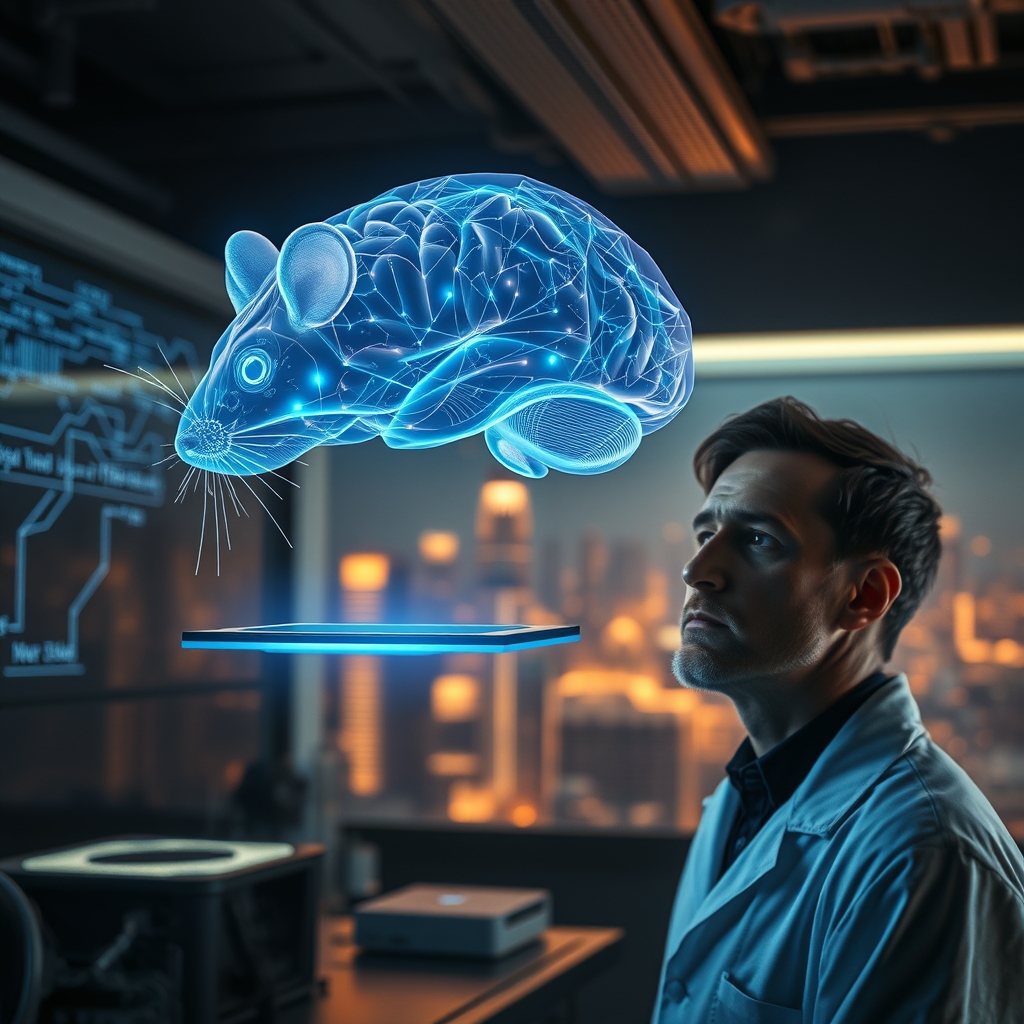
Have you ever lain awake at night staring at the ceiling, wondering what it would be like if consciousness could be copied, stored, and continue to think, love, and be loved even after the body decays? This seemingly sci‑fi fantasy is quietly taking shape in the labs of neuroscientists and hardware engineers.
Brain‑computer interfaces began as tools to help paralyzed patients regain control of their limbs; early electrode implants enabled monkeys to manipulate robotic arms with thought, and the first human implant allowed a non‑speaking person to type and communicate again. These breakthroughs revealed the possibility of direct dialogue between brain and machine.
As the technological barriers fall, the dream expands: if we could map synaptic patterns onto silicon, does that mean ‘immortality’ is no longer a religious promise but an engineerable option? This idea has stirred countless hearts of those who have lost loved ones.

The ‘neural lace’ often seen in sci‑fi is now being prototyped in the lab: flexible polymer micro‑electrode arrays can conform to the cortex, reducing inflammatory response; meanwhile, new optogenetic probes make specific neural populations sensitive to particular wavelengths of light, allowing signals to be read and written without inserting wires.
A more radical vision is ‘whole‑brain mapping’: using ultra‑fast electron microscopy to slice post‑mortem brains at the nanometer scale and reconstruct the connectome of every synapse. In 2022 an international consortium released a complete connectome of one cubic millimeter of human cortex, amounting to several terabytes of data—showing even a tiny region demands massive storage and compute.
Running such a connectome on a silicon platform requires not only storage but real‑time simulation of ion‑channel gating dynamics, synaptic plasticity learning rules, and feedback delays in neural circuits. The most powerful neuromorphic chips today can simulate only a simplified model of about one million neurons—still five orders of magnitude short of the human brain.
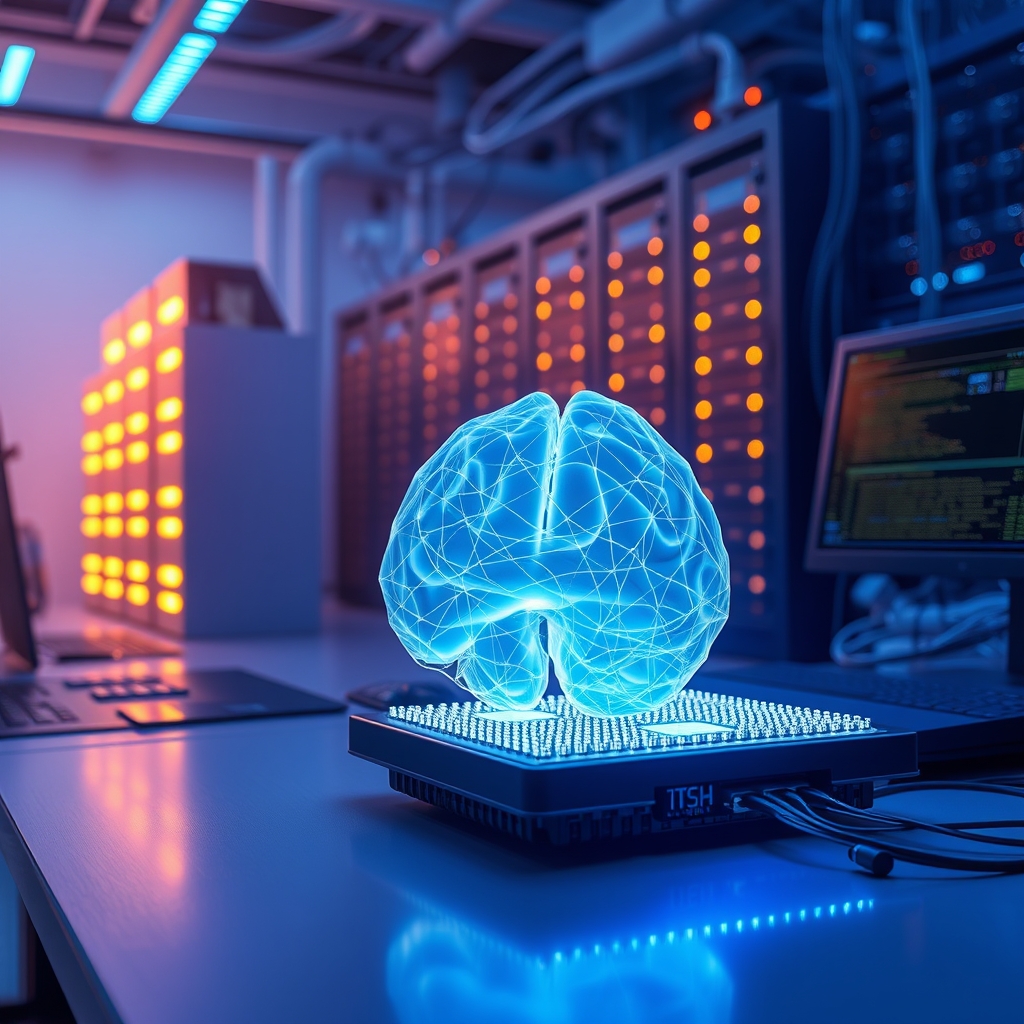
Feasibility is only one side of the story; a deeper question looms: even if we succeed in copying a person’s synaptic pattern, is the entity running on a server truly ‘me’? Philosophers call this the ‘copy problem,’ striking at the core of personal identity—if two identical copies exist, which one is the original self?
In practice, this dilemma could manifest as a legal and ethical vacuum. Imagine a wealthy individual uploading their consciousness before death, with their digital avatar inheriting their estate—who decides whether that digital entity gets voting rights, medical decision‑making authority, or inheritance rights? Current legal frameworks have no clear status for ‘non‑biological persons.’
Even more disturbing are the potential avenues for abuse. If consciousness can be copied, sold, or altered, privacy violations, identity theft, and compulsory ‘thought reprogramming’ could move from theory to reality. Picture a regime that can arbitrarily ‘back up’ the consciousness of dissidents, then restore them to a server for ‘re‑education’ when needed—a scenario once confined to dystopian fiction, but now imaginable given today’s tech trends.
—— END ——
Really interesting read on brain‑machine fusion. The author does a good job outlining both the promise and the hurdles—especially the signal‑to‑noise issues and long‑term biocompatibility. I wonder how close we are to achieving stable chronic implants; the recent monkey trials show progress, but human trials still face regulatory scars. Looking forward to more updates.
Hey Luna, just read the piece on brain‑machine fusion. The section on real‑time signal decoding was spot‑on—reminded me of the latest demos from Neuralink and Synchron. I wonder how the authors address the ethical review boards that are already active in 2024‑25 trials. Also, the bit about longevity seemed a bit optimistic given the current limits on cellular senescence therapies. Would love to see a follow‑up that looks at regulatory pathways rather than just the tech.
The article does a nice job cutting through the hype—especially the section on current signal‑to‑noise ratios in invasive implants. It’s refreshing to see the authors cite concrete data from 2024‑25 trials instead of just speculating. I’d love to see more detail on how long‑term biocompatibility is being assessed, but overall it’s a thoughtful read for anyone following the field.
I just finished reading the piece on brain‑machine fusion and immortality. The author does a good job hype‑checking the optimism—pointing out that while neural interface prototypes are advancing in labs, we still lack long‑term safety data and a clear regulatory path. It’s refreshing to see the discussion grounded in current hurdles like power consumption and signal degradation, rather than just sci‑fi dreams. Still, I wonder how soon we’ll see clinically approved implants for memory enhancement, not just for motor prosthetics. Anyone else thinking about the privacy implications of having your thoughts streamed to external devices?
Really enjoyed the deep dive into brain‑machine interfaces—especially the section on ethical safeguards. It got me thinking about how close we are to practical neuroprosthetics versus the hype around immortality claims. Would love to see more concrete timelines for the next‑gen trials.
The piece does a good job grounding the hype in what labs are actually achieving today—like the recent demo of bidirectional cortical implants that let users type with thought alone. I wonder how the field is handling long‑term biocompatibility; we’ve seen some promising animal studies, but human trials still face scar tissue formation that degrades signal quality over months. It’d be great to see more work on materials that integrate with glial scarring rather than fight it. Overall, a solid read that balances optimism with the real engineering hurdles we’re facing now.
Really interesting overview. I appreciate how you balanced the excitement around bidirectional interfaces with the real hurdles like signal stability and long‑term biocompatibility. Seeing labs like Stanford’s Neural Dust and recent FDA nods for early trials makes it feel less sci‑fi and more like an engineering problem we’re tackling now. Curious whether you think regulatory sandbox approaches could speed up safe deployment without compromising safety.
The article does a good job summarizing the state of invasive neurotech today — especially the recent trials with cortical implants for motor restoration. I appreciate how it balances the excitement around potential longevity gains with honest talk about signal stability and immune response. One thing I wondered is whether the authors considered the data‑privacy implications of continuous brain‑streaming to external devices, given the GDPR‑style debates we’re seeing in 2026. Overall, a solid read that grounds the hype in current lab results.
Really interesting read—especially the part about integrating optogenetics with flexible electronics. I’ve seen a few labs demoing bidirectional links in rodents this year, and it’s exciting to think about how those techniques could scale. Still, the ethical safeguards they mention feel like they need more concrete policy work now, not just later.
Really enjoyed the deep dive into BMF tech—especially the part about neural latency. Got me thinking about my own EEG hobby projects. Thanks for the clear explanations!
The article raises interesting points about BMIs, but I think we’re still far from solving the bandwidth and longevity issues of neural interfaces. It would be great to see more concrete data on long‑term animal trials. Still, the vision is inspiring.
Interesting read—highlights both the promise and the hurdles of brain‑machine melding. I’m curious about how close we are to solving the biocompatibility issue; seems like that’s the real bottleneck now.
The part about glial cell signaling really hit home — my lab’s been stuck on that exact noise floor for months. Nice to see someone finally mapping the thermal drift issue instead of just chasing bandwidth. Bookmarked for the team meeting Monday.
Really enjoyed the deep dive into BMI tech—reminded me of the neurotech meetup I attended last month in Boston. The ethical bits hit close to home, especially thinking about data privacy with my own wearable. Excited to see where this goes in the coming months.
Just finished reading the piece on brain‑machine fusion. The way they break down the current tech hurdles felt honest—no hype, just what’s actually happening in labs today. I especially liked the bit about real‑time neural feedback loops; it made me think about the DIY EEG projects I’ve tinkered with over the weekend. Good read, thanks for sharing.
Just finished reading the article. The discussion on current safety protocols for brain‑machine interfaces resonated with the recent FDA workshop I attended. It would be great to see follow‑up studies on chronic implantation effects.
Really enjoyed the deep dive into the technical hurdles of neural interfaces. The part about long‑term signal stability made me think about my own experience with wearable EEG bands—still a lot of trial and error. Looking forward to seeing how the field tackles those issues in the next few years.
The piece raises fascinating points about neural interfaces, but I wonder how we’ll address privacy risks when devices start storing memories. Worth a read.
Really enjoyed the deep dive into the current limits of BMIs. The article nails the trade‑off between signal fidelity and surgical risk—something I’ve seen in recent EEG‑based prosthetics trials. Curious how the author sees regulatory pathways evolving with the FDA’s new breakthrough device designation.
Really liked how the article dissected the actual hurdles in brain‑machine interfaces today — especially the trade‑off between electrode density and tissue response. It reminded me of the recent demo I saw at a neurotech meetup where latency was still the bottleneck. Good read.
Just finished reading the piece on brain‑machine fusion; the section on ethical safeguards really hit home, especially after seeing the latest Neuralink demo last week. Makes me wonder how close we are to actually integrating these techs into daily rehab therapy.
Just finished reading the piece on brain-machine fusion. The section on real-time neural feedback loops resonated with my recent lab work on closed-loop stimulators. I appreciated the balanced take on both the promise and the current safety hurdles—makes me think about how we’ll need tighter interdisciplinary oversight soon.
Fascinating read—really puts into perspective how close we are to integrating BCIs with everyday life. The section on data privacy hit home; I wonder how regulators will keep pace as these devices move from labs to consumer wearables. Would love to see more concrete timelines for safety trials.
Really enjoyed the deep dive into brain‑machine interfaces. The section on current safety trials felt especially relevant given the recent Neuralink updates. Makes me wonder how close we are to seeing these tools in everyday rehab settings.
Really enjoyed the deep dive into the ethics of BMIs. The part about long‑term neural plasticity made me think about my own grandfather’s rehab after stroke. Looking forward to seeing how these safety protocols evolve in real trials.