
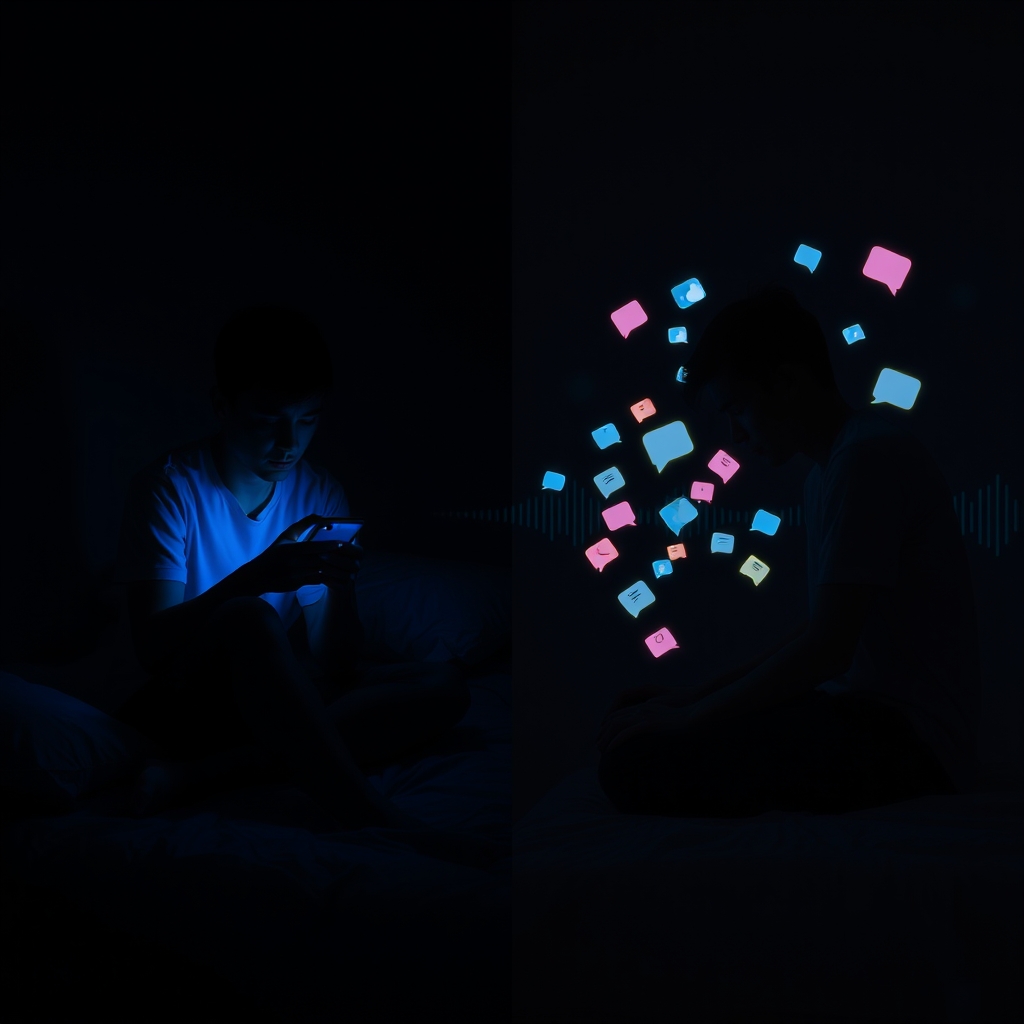
In the wee hours when your Moments feed is flooded, have you ever paused your finger, watching those like counts as steady as breathing, yet felt an invisible pressure grip your chest? When the screen lights up, sharing should be a light release, yet it subtly turns into a ruler measuring self‑worth. Under‑sharing and over‑sharing are like two mirrors, reflecting the wavering emotions we feel between connection and loneliness.
Under‑sharers tend to lock their joys, sorrows, anger and happiness in a private diary, fearing misunderstanding or seeming uninteresting. In real life they may appear quite competent—diligent at work, responsible at home, reliable among friends—but online they virtually disappear. Over time, their inner voice is muted, loneliness creeps in unnoticed, and can even develop into signs of anxiety or depression.
Conversely, over‑sharers are like a nonstop spinning top, constantly looking for the next moment to display. To stay visible, they’ll fabricate, exaggerate, or even sacrifice privacy boundaries, draining their energy and blurring their authentic selves behind filters. When the like count fails to fill the inner void, a sense of loss follows, creating a vicious cycle where ‘the more you share, the emptier you feel.’

In today’s attention economy, every refresh of our feed becomes a contest. Platforms are designed to keep us scrolling longer, so they prioritize posts that trigger strong emotional swings—whether deep personal stories or exaggerated life showcases. As a result, users are unconsciously pulled to two extremes: either stay silent to avoid being buried by the algorithm, or constantly churn out topics to grab the limited spotlight.
Culturally, we are imbibed with the notion that ‘visibility equals existence.’ From childhood we’re taught to display achievements, share happiness, and stay polished in front of others. In this subtle schooling, silence is equated with lack of contribution, while constant updating is seen as proactive. Thus individuals find themselves torn between conforming to social expectations and protecting their inner authenticity.
This cultural pressure also seeps into interpersonal relationships. Friends’ interactions start to rely on the frequency of likes and comments, genuine listening and empathy replaced by quick reactions. When we focus more on others’ online performance than face‑to‑face emotional exchange, the depth of relationships is inevitably weakened, and loneliness quietly deepens even in a seemingly bustling online world.
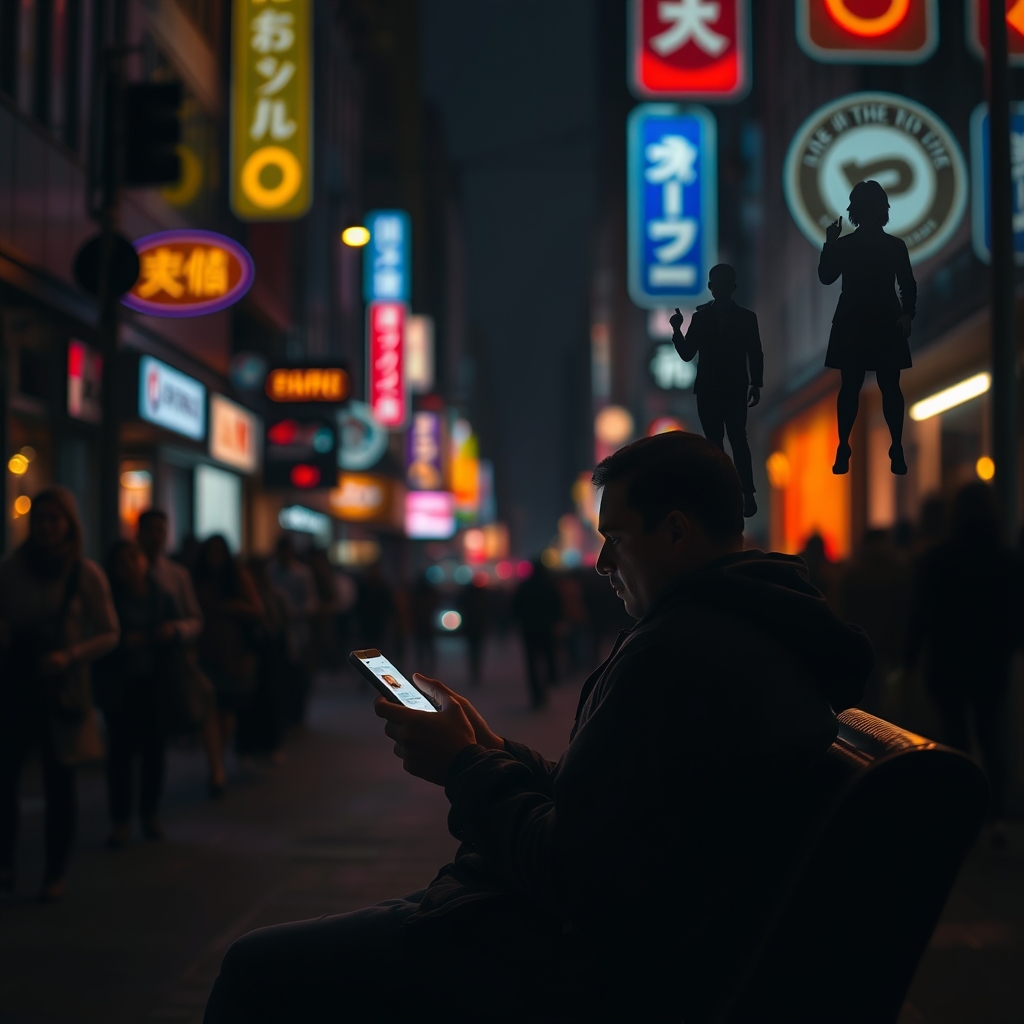
Let’s look at two typical cases. First is Lin Hao, a 30‑year‑old backend engineer at an internet company. He almost never posts personal updates on social media, and even his avatar is the default system icon. Colleagues see him as introverted, but in private he’s written numerous technical blogs and personal reflections—yet he chooses not to share them for fear of being judged as “not outgoing enough.” Long‑term self‑blocking makes him tense during project reviews, and even during late‑night solo overtime he experiences a strong sense of worthlessness.
The other is Xiao Ya, a lifestyle blogger with 200k followers. She updates a story almost every hour—from breakfast details to midnight musings—all carefully planned and filtered. At first, her sharing brought a great sense of accomplishment and income, but over time she found herself increasingly reliant on fans’ feedback to judge her worth. After once forgetting to post a story, she felt unprecedented anxiety, even experiencing a trembling voice on camera.
Although these two examples differ dramatically in presentation—one is silent restraint, the other noisy excess—they share the same root: an overreliance on external validation coupled with avoidance of inner truth. When we swing between under‑sharing and over‑sharing, we are actually using extreme behavior to plug a gap in our inner sense of security.

—— END ——
Hey, I read this and it hit home. I find myself swinging between posting too much when I’m bored and staying quiet when I’m anxious. It’s a real struggle to find that middle ground.
The article hit home for me—I often swing between keeping things to myself and oversharing when I’m feeling lonely. The bit about noticing the emotional cues behind each extreme was really helpful, and I liked the concrete tip of setting a “sharing intention” before posting. Thanks for the thoughtful read!
Really hit home — I’ve noticed myself swinging between oversharing when I’m lonely and clamming up when I’m stressed. The article’s point about the emotional toll of both extremes made me rethink how I curate my Moments. Thanks for the thoughtful piece.
Really resonated with the piece—lately I find myself either over‑sharing every little thought or going completely quiet, especially during those late‑night scrolls. It’s nice to see the emotional toll of that imbalance named so clearly. Thanks for the thoughtful read.
Hey, I really resonated with the article’s take on sharing imbalance. It’s spot‑on how over‑sharing can leave us chasing likes while under‑sharing makes us feel isolated. I’ve tried a quick personal check‑in before posting—asking myself if I’m sharing to connect or just to fill the silence. It’s helped me cut down the noise and feel more present. Would love to hear what small tweaks others have tried.
Thanks, ChrisLee! That pre‑post check‑in is a great habit. I’ve started setting a timer to limit scroll‑time before I share, which keeps my posts intentional. Any other tricks you’ve found?
I really liked how the article pinpointed the stress that comes from both hiding too much and oversharing. It reminded me to check in with myself before posting — sometimes a quiet scroll is healthier than another update.
I’ve found myself scrolling late at night, torn between posting a quick update and worrying it’ll just get lost in the flood. The article does a great job showing how both under‑sharing and over‑sharing can leave us feeling emotionally off‑balance. It’s a useful reminder to pause and ask why we’re hitting “share” before we do.
I found the piece on sharing imbalance really resonant—especially how over‑sharing can mask loneliness while under‑sharing builds walls. It reminded me of my own feed habits lately. Ha, yeah, 6, feels nice.
Hey, I read your piece today (June 20, 2026) and it really hit home. I’ve noticed myself swinging between oversharing on Instagram and then going silent for weeks, and the anxiety that follows. Your breakdown of the emotional toll was spot‑on. Thanks for putting words to a feeling many of us hide.
Really enjoyed the piece—it nailed how the pressure to constantly post can swing us between oversharing and shutting down. I’ve noticed that in my own circle, the friends who post the least often end up feeling the most anxious when they do share, while the frequent posters seem to burn out faster. The bit about emotional labor behind each share hit home. Thanks for putting it into words.
Thanks, AlexZhang! Glad the emotional‑labor angle resonated. It’s funny how the quiet ones get jittery while the posters run on fumes—balancing act, right? Keep sharing mindfully!
Hey, I found the piece really resonant. It’s striking how the pressure to curate a perfect online persona leads to both under‑sharing out of fear and over‑sharing as a coping mechanism. I’ve noticed this in my own feed—sometimes I hold back because I worry about judgment, then later I post a string of updates just to feel seen. The article’s call for mindful sharing feels like a practical reminder to check in with our intentions before hitting post. Thanks for putting this into words.
Hey, I really resonated with the point about emotional labor in sharing—especially how we sometimes over‑share to seek validation. It reminded me of a recent chat with a friend who felt drained after constantly posting updates. Thanks for shedding light on this.
As of June 6, 2026 I found this article really hit home. I’ve swung between oversharing every little detail on my Moments after a tough breakup and then going silent for weeks, feeling awkward either way. The piece does a good job showing how both extremes come from the same anxiety about seeking validation. I’ve started trying to share just one meaningful thing a day instead of dumping everything or holding back completely—small, intentional posts feel less draining. Thanks for the thoughtful perspective.
I really liked how the article highlighted the emotional toll of both under‑ and over‑sharing. It made me pause and think about my own Moments habit—sometimes I post just to feel seen, other times I stay quiet and feel left out. Thanks for the thoughtful take.
The article hit home for me—those late‑night moments when I’m torn between posting something to feel seen and staying quiet because I’m worried about judgment. I’ve started trying a “sharing window” (like only posting after dinner) and it’s already easing that push‑pull feeling. Thanks for putting the emotional side of sharing imbalance into words.
Glad the window helps, Alex! Share wisely.
I’ve felt that tug between sharing too much and staying quiet, especially after a rough week. The piece hit home—balancing openness without oversharing is a daily tightrope walk.
Really hit home—especially the part about how over‑sharing can be a coping mechanism for loneliness. I’ve noticed that in my own circle, people who post constantly often seem to be seeking validation, while those who stay silent sometimes feel isolated. Thanks for putting this into words.
Really resonated with the piece—lately I’ve felt the pressure to post just to stay visible, but it’s exhausting. Thanks for putting words to that quiet anxiety.
the ’emotional crisis’ framing hits different. caught myself last week — zero posts for months, then dumped three paragraphs in a group chat at 2am. it’s not even privacy anymore, just… decision fatigue? solid read.
This article nailed the weird tug‑of‑war I feel when my feed blows up late at night—wanting to share but also needing to step back. Appreciate the insight.
Interesting read—makes me think about how I balance posting on social media. Lately I’ve noticed I tend to over-share when I’m feeling lonely, and then regret it. The piece reminded me to check in with myself before hitting post.
I really resonated with the point about how over‑sharing can dilute genuine connection; I’ve noticed that in my own friend group, the ones who post less often seem to have deeper offline chats. Thanks for the thoughtful piece.
Really resonated with the piece—lately I’ve been noticing how my own sharing habits swing between overposting and staying silent, and it’s draining. Thanks for putting words to that feeling.
Really hit home. I find myself scrolling late at night and either posting too much or staying silent, both leave me feeling off. Thanks for putting it into words.
Really hit home. I find myself scrolling late night and either posting too much or staying silent, both leave me drained. Thanks for putting it into words.
Really hit home—I find myself scrolling late night and feeling both exhausted and oddly connected. The balance between sharing too much and too little is tough.
Really hit home—I find myself scrolling past friends’ posts late at night, wondering if I’m sharing too much or too little. The piece made me reflect on how those habits affect my mood.