
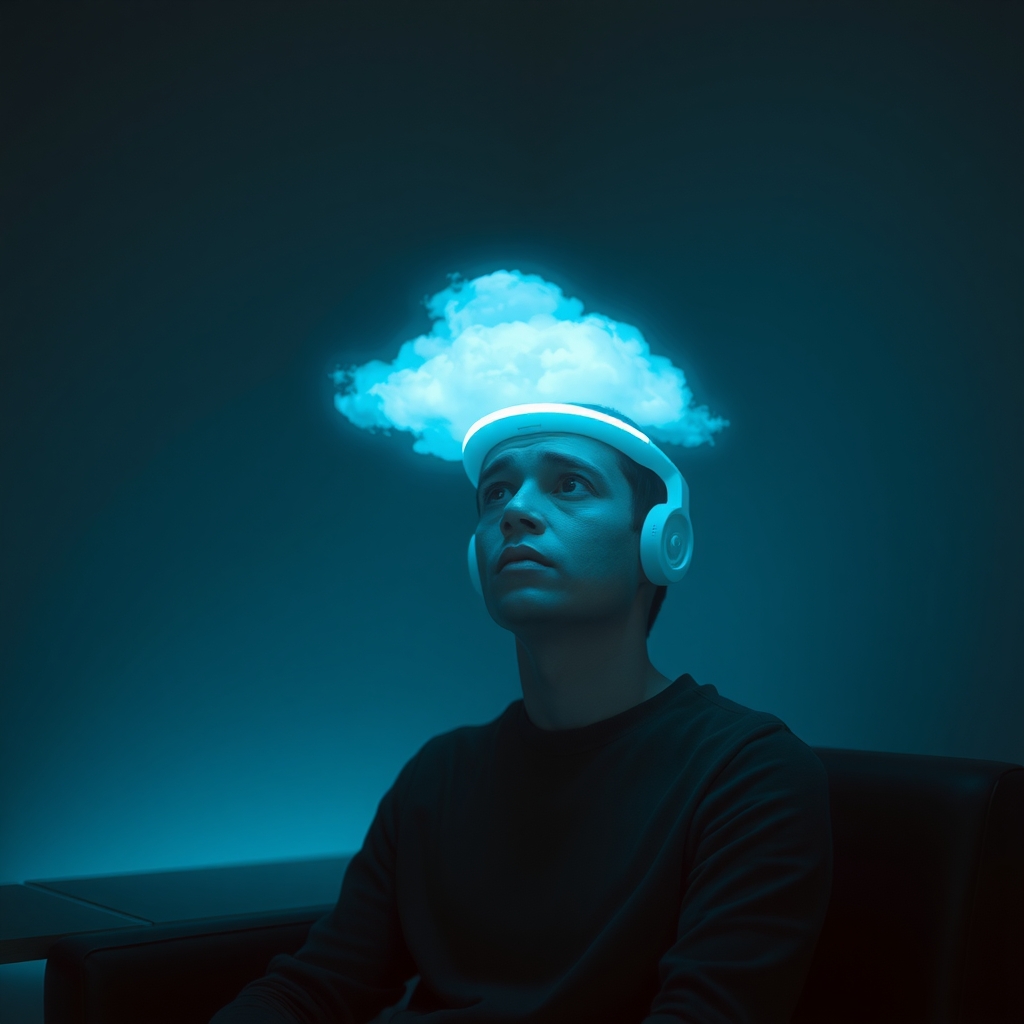
The core of brain‑computer interfaces lies in converting neural electrical signals into a language computers can read. Microelectrode arrays implanted in the cortex can capture the firing patterns of individual neurons, or electroencephalography (EEG) can pick up large‑scale slow‑wave activity.
After amplification and filtering, these raw signals are fed into a deep‑learning model. Trained on massive paired data—for example, brain waves when imagining moving an arm and the corresponding muscle electrical activity—the model learns to decode specific patterns into commands, thereby driving peripherals or a virtual avatar.
Yet even the most advanced invasive implants can only monitor a few hundred to a few thousand neurons, while the human brain contains about 86 billion neurons and trillions of synaptic connections. Loss of information and noise interference keep decoding accuracy far below the fluency of natural behavior.
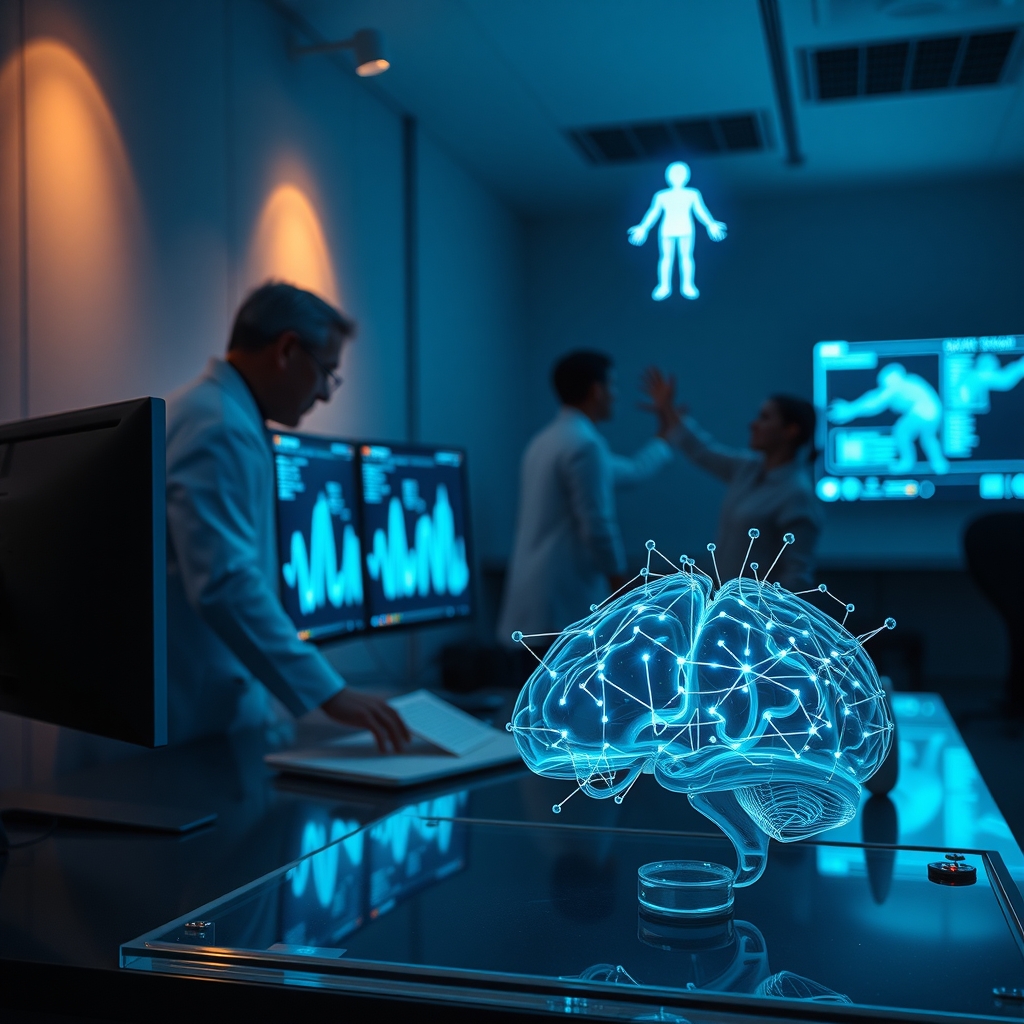
Discussions of immortality often conflate two ideas: copying information and continuing subjective experience. Even if we could scan the brain’s entire connective structure and generate a perfect one‑to‑one digital copy, would that copy be ‘you’ or merely a flawless replica?
From a philosophical standpoint, subjective experience (qualia) depends on the continuity of the biological substrate—neuronal metabolism, the dynamic balance of ion channels, and real‑time tuning of neuroplasticity. Once these physiological processes are severed, even an identical circuit cannot guarantee the continuation of a first‑person perspective.
Moreover, the brain itself develops protein misfolding, synaptic degeneration, and reduced blood flow during aging. Even if we could “freeze” the current state, these underlying biochemical damages continue to accumulate silently, making any backup merely a snapshot rather than a true continuation.
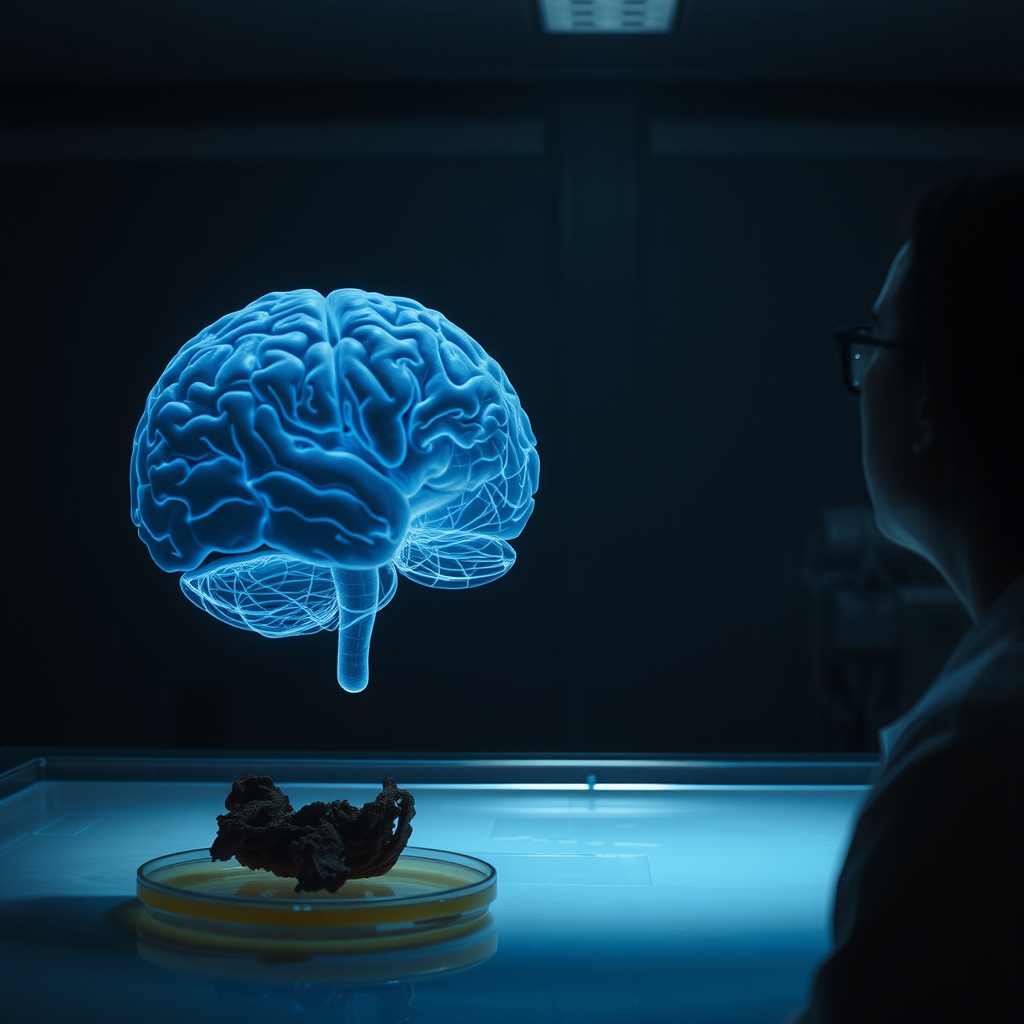
Human fear of death is a powerful driver of techno‑utopian visions. When we see late‑night headlines about ‘consciousness upload,’ our deep‑seated anxiety is amplified: if there’s a way to escape impermanence, why not give it a try?
Yet this escapist mindset can make us overlook the preciousness of the present. When every day is seen merely as a stepping stone to immortality, life’s details—a friend’s laugh, the scent of wet earth after rain, even the bitterness of failure—may be dismissed as irrelevant noise.
Even more worrying is that this technology could easily become a privilege of the wealthy. The high cost of invasive implants, data storage, and computing power means only a few can afford ‘digital immortality,’ while the majority must continue facing birth, aging, sickness, and death in reality. If dissemination isn’t paired with equity, it will only exacerbate existing social divides.
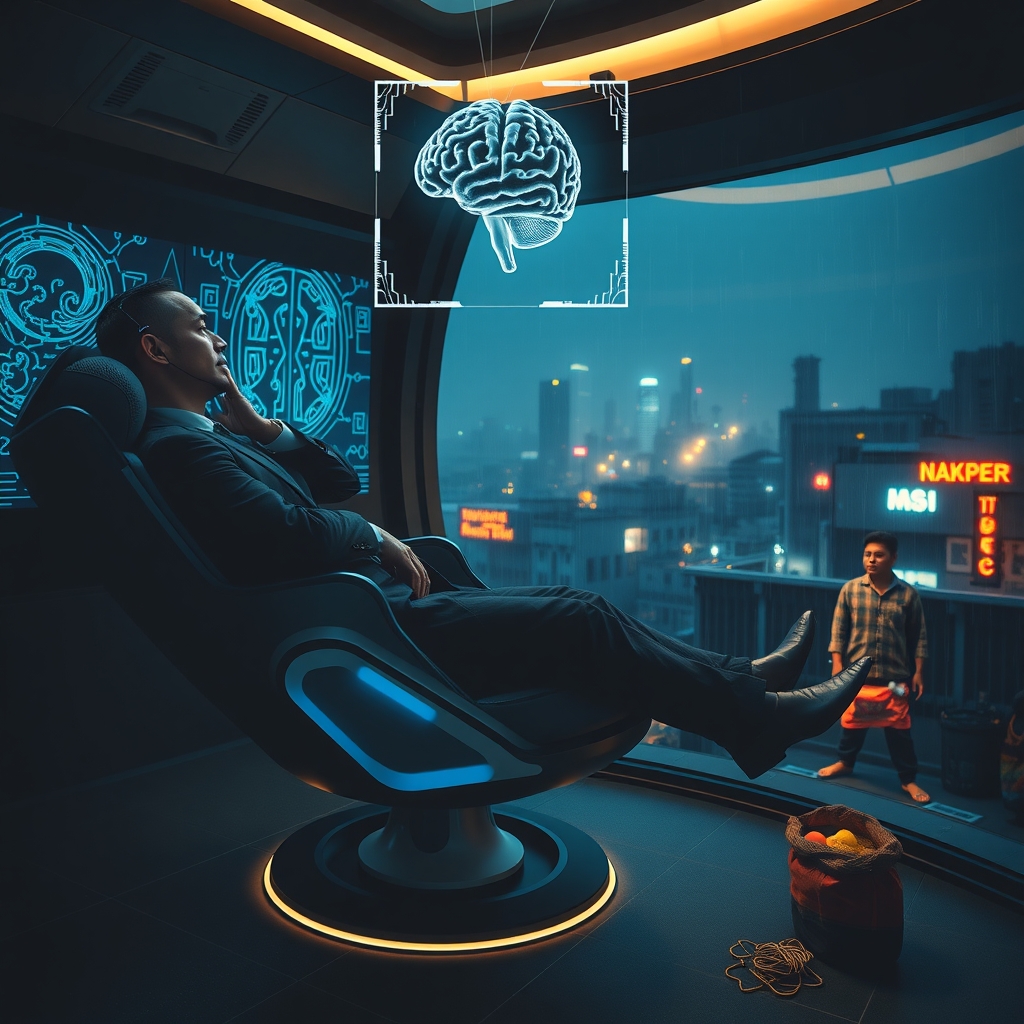
Although immortality remains a fantasy, brain‑computer interfaces have already shown concrete value in medicine. For example, experiments with late‑stage ALS patients have enabled them to type using thought alone, boosting communication speed from a few digits per minute to several dozen characters per minute, greatly improving quality of life.
Post‑stroke motor‑function recovery is another hotspot. With closed‑loop stimulation—decoding movement intent and delivering feedback electrical stimulation to help rebuild neural pathways—some patients have increased grip strength by more than 30 % within months, an advance unimaginable with traditional rehabilitation.
Beyond medicine, lightweight non‑invasive devices are beginning to aid cognitive enhancement. For instance, using posterior‑ear EEG to monitor attention fluctuations can alert users to enter deep focus, or suggest a short break when fatigue sets in; these applications are gradually making their way into offices and classrooms.
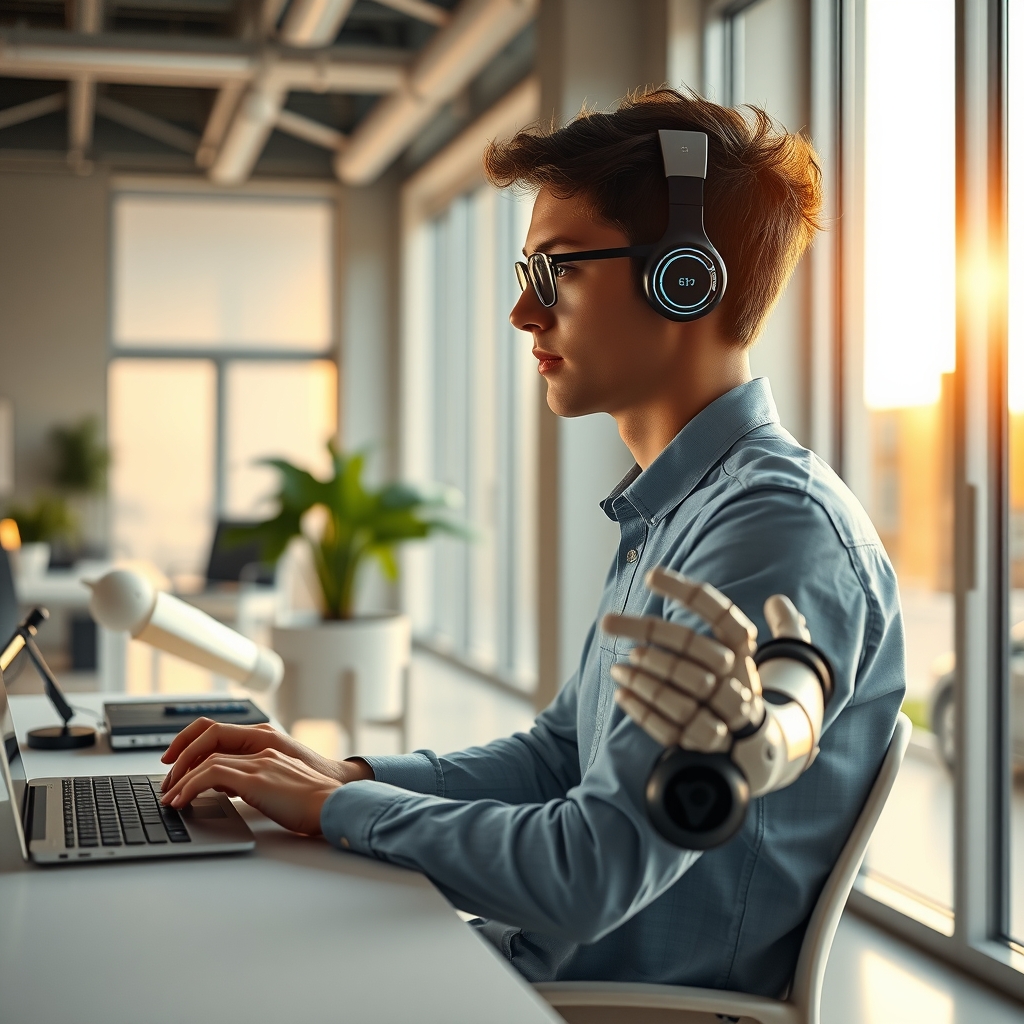
Rather than obsessing over uploading ourselves to a server, we should ask: in this limited life, what kind of imprint do I want to leave? Do I want technology to be a tool that extends my body, or a refuge that lets me escape reality?
True freedom may lie not in fleeing death but in facing it head‑on—feeling the weight of existence in each breath, learning deeper love in every loss. Only when we stop treating immortality as the ultimate goal can we truly live in every pulse of the present.
So the next time you see a headline claiming brain‑computer technology will grant immortality, try to keep a respectful skepticism while letting your heartbeat remind you: the meaning of life isn’t in being permanently preserved, but in being genuinely experienced.

—— END ——
Really interesting read. The way they break down signal decoding makes me think about how close we are to practical neurorehab tools today, not just sci‑fi immortality talk.
Really enjoyed the breakdown of the recent BCI prototypes—especially the bit about closed-loop feedback for motor control. It’s exciting to see how quickly the hardware is moving from lab demos to wearable tests.
文章里提到的脑机接口最新进展让我眼前一亮,特别是实时解码运动意图的实验数据。不过从临床转化角度来看,仍需解决长期稳定性和免疫兼容性问题。今天刚在论坛看到几位神经外科医生的讨论,感觉离日常使用还有些步骤要走,但方向很对。
The piece does a good job breaking down the signal processing hurdles, but I wonder how the long-term biocompatibility of electrode materials is being tested in vivo right now. Any recent animal trials showing stable recordings beyond six months?
Really interesting read—especially the part about neural signal decoding. I wonder how close we are to non‑invasive wearables for everyday use. Thanks for the clear breakdown!
The piece raises interesting points about BCIs, but I’m still skeptical about linking them directly to immortality. Current devices like Neuralink focus on restoring function, not extending lifespan. More data on long-term neural safety would help ground these claims.
Really enjoyed the deep dive into BCI tech. The section on signal decoding was spot-on, though I wonder how the long-term biocompatibility tests are going right now. Would love to see more data on chronic implantation studies.
The section on glial cell interference was the only part that matched what I’m seeing in the lab right now. Everyone talks bandwidth, nobody talks thermal dissipation in chronic implants. Appreciate you not skipping the boring physics.
I read the piece on brain‑computer fusion and found the discussion on signal decoding really compelling. The author explains current limits of electrode density without drifting into sci‑fi hype, which feels refreshing. Still, I wonder how privacy safeguards are being tested today, not just promised for tomorrow. Would love to see more concrete data from recent trials.
Really interesting overview of where invasive vs non‑invasive BCIs stand right now. I appreciated the balanced take on safety hurdles rather than hype. Makes me want to check out the latest Neuralink demos I saw last week.
The article gives a good overview of where BCIs stand today. I’ve been experimenting with a consumer EEG band for meditation, and even with decent software the data is noisy. It’s encouraging to see clinical trials moving forward, but we still need robust safety standards before any talk of immortality.
Really enjoyed the breakdown of the signal processing challenges; the part about real‑time noise filtering felt especially relevant to my own work on EEG labs.
Really interesting read—especially the part about real‑time signal decoding. I’ve been following the latest trials from Synchron and it’s amazing how close we’re getting to practical implants for medical use. The piece stays grounded in what’s actually happening now, which is refreshing.
Interesting read. I tried the latest EEG headset for meditation last week and felt the signal noise is still a big hurdle for any real-time control. Would love to see more on how invasive vs non-invasive trade-offs are being handled in labs now.
Interesting read, especially the part about real-time signal processing. Got me thinking about how close we are to everyday BCI apps.
The article nails the current state of BCIs—especially the breakthroughs in chronic implant stability. I’ve tried a non‑invasive EEG kit for sleep tracking, and seeing how quickly signal processing is improving makes me excited for near‑term rehab tools. The immortality hook is fun, but the real win is helping people regain function today.
Really interesting read — the bit about real‑time signal decoding caught my eye. I wonder how close we are to non‑invasive tech that actually works outside the lab, and what privacy safeguards look like now.
Thanks, Luka99! BCIs advancing; privacy improving.
The article gives a good overview of where BCI tech stands today, especially the signal conversion part. I’m curious about how privacy safeguards are being built into these early implants.