

Have you ever found yourself scrolling on your phone late at night, heart racing, while mentally tallying how many steps you took today, how many hours you slept, or how much water you drank? This invisible anxiety is no longer an occasional mood; it has become the background hum of modern life.
Amid this frantic pace, health wearable technology has quietly moved from lab prototypes to our wrists, ears, even collars. No longer just flashy gadgets, they have become the first language of our conversation with our bodies.
Early pedometers merely spat out a number, while today’s smart bands can track heart‑rate variability, blood‑oxygen saturation, even stress indices — essentially shrinking lab‑grade instruments into wearable badges.
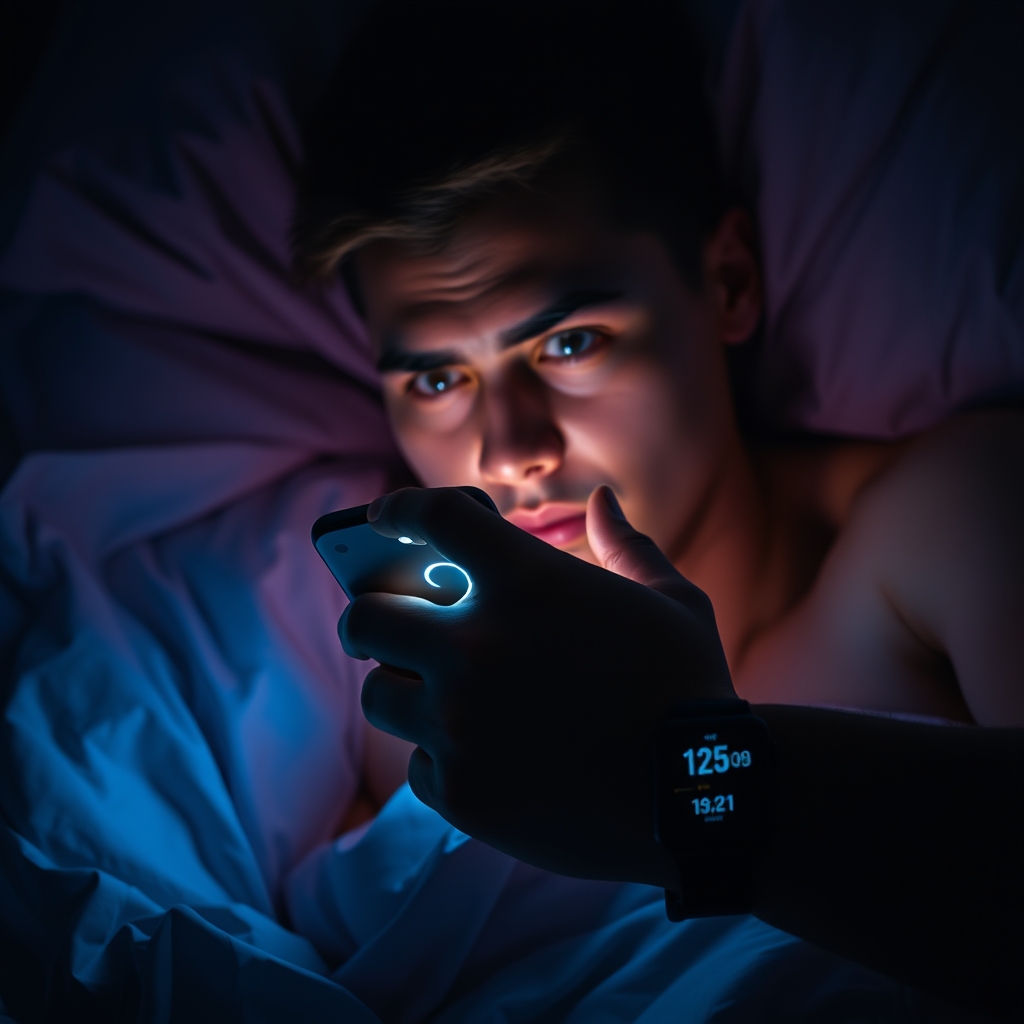
Raw data collection is merely the first step; the real value lies in turning those numbers into actionable health guidance. Here, artificial intelligence plays the role of a translator.
Deep‑learning models, trained on massive real‑user trajectories, have learned to detect subtle shifts in breathing rate that accompany rising heart rate, allowing them to issue early warnings before a disease fully manifests.
Furthermore, a personalized recommendation engine adjusts daily activity goals based on your sleep architecture, stress curve, and exercise recovery — even suggesting when to stand and stretch or when to take a deep breath to calm an overactive sympathetic nervous system.

Yet the richness of this data casts a privacy shadow. When your heartbeat, blood oxygen, and even mood swings are uploaded to the cloud, who is watching these most intimate physiological signals?
There have been instances where manufacturers, due to unencrypted firmware, allowed third‑party advertisers to intercept users’ heart‑rate data and then use it for precisely targeted supplement ads — an abuse that has sowed deep distrust among early adopters.
Consequently, zero‑knowledge proofs, edge computing, and local storage have become essential technologies for the next generation of wearables, permitting only summarized information to leave the device when the user explicitly consents — thereby returning true data sovereignty to the individual.

When technology and ethics find balance, wearables cease to be mere logging tools and become invisible engines shaping future lifestyles. Imagine waking up to a gentle vibration from your band warning that your baseline cortisol is elevated, suggesting five minutes of meditation, then, based on your glucose trend, recommending a low‑GI breakfast.
During work, it monitors posture deviations and nudges you with a subtle vibration to adjust your sitting position; at night, it automatically tunes bedroom lighting and temperature according to your REM‑sleep proportion, allowing deep‑sleep share to rise naturally.
This seamless closed‑loop feedback turns health from an occasional check‑up report into a continual breath. We can finally hear our bodies’ truest voice within the halo of data and make choices that genuinely align with our needs.

—— END ——
The article does a good job breaking down how current wearables are moving beyond step counts to stress and sleep insights. I’ve noticed my own band now gives me real‑time HRV feedback, which actually helped me adjust my workout intensity. It’s interesting to see the blend of medical‑grade sensors with everyday design, though I wish battery life kept up with the added features.
Really enjoyed the deep dive into how wearables are evolving from simple step counters to integrated health monitors. The section on continuous glucose monitoring caught my eye—would love to see more real‑world user studies on accuracy and comfort.
Really enjoyed the breakdown of how SpO2 patches are now integrated into morning routines—makes me want to upgrade my own band.
Really enjoyed the deep dive into how current sensors are shaping daily habits—especially the section on sleep tracking accuracy. I’ve noticed my own band’s stress alerts matching my workload spikes lately, which makes the data feel actionable. Thanks for linking the research to real‑world routines.
Just tried the latest heart-rate variability feature on my new band and it’s surprisingly accurate during workouts. The sync with my phone feels seamless now, making it easier to adjust recovery days on the fly.
Really enjoyed the deep dive into sensor fusion and edge AI in wearables. As of Aug 17, 2026, I’ve noticed more devices using low-power microcontrollers to run on-device anomaly detection, which cuts down latency and improves privacy. The section on flexible battery tech was spot‑on—looks like we’re finally getting past the 2‑day mark. Would love to see a follow‑up on how these tools are being adopted in workplace wellness programs.
Really enjoyed the breakdown of sensor accuracy vs. user comfort. I’ve been testing a new ECG patch for a week and noticed the same trade‑off you highlighted—better data means bulkier wear. Would love to see more on how companies are tackling that without sacrificing style.
The bit about reducing phone screen time resonates. I bought an Ultra 2 last year mostly for the bigger screen to leave my phone in my bag during hikes. Battery life is still the bottleneck for continuous SpO2/Temp tracking overnight though. Anyone cracked the code on charging routine without gaps in sleep data?
Really liked the breakdown of sensor accuracy; I’ve noticed my own band’s sleep tracking matches my diary pretty well these days. Thanks for the practical tips!
The article does a good job breaking down how sensor accuracy is improving in 2026 models, especially the new ECG patches; I’ve noticed my own band giving more reliable sleep stats after the firmware update last month.
Really enjoyed the breakdown of sensor accuracy improvements; it matches what I’ve noticed with my own device tracking sleep stages more reliably lately.
I’ve been using a Fitbit Charge 5 for a few months, and the sleep tracking insights actually helped me adjust my bedtime routine. The article’s breakdown of sensor accuracy trends matches what I’ve noticed—heart rate variability seems more reliable now than a year ago. Curious if anyone else has tried the new ECG patches; they seem promising for early arrhythmia detection.
Really enjoyed the breakdown of sensor accuracy vs battery life trade-offs. It made me reconsider which metrics I actually track on my own band.
Really liked the breakdown of sensor accuracy vs battery life trade-offs. I’ve been using a Xiaomi Mi Band 8 for sleep tracking and the article’s points on ECG reliability match my experience. Would love to see more on how these devices integrate with mental health apps.
Really appreciated the breakdown of sensor accuracy vs battery life. I’ve been using a Fitbit Charge 6 and the section on SpO2 trends matched my own experience. Would love to see more on how these devices integrate with mental health apps.
Great read! The part about real‑time SpO₂ tracking hit home—I’ve noticed my own wearable giving more reliable readings during workouts lately. The tips on integrating data with sleep apps were especially useful.
I’ve been using a new ECG patch for a month and the real‑time arrhythmia alerts have already helped me catch an irregular rhythm during a workout—really shows how these sensors are moving from novelty to practical care. Still, I wish the manufacturers would open up more raw data access for developers so we can build better personalized insights.
Really enjoyed the breakdown of sensor accuracy trends—especially the part about ECG validation. I’ve been using a similar patch for a month and noticed the sleep staging aligns well with my lab results. Would love to see more on how manufacturers are handling data encryption in real-time streaming.
The bit about non-invasive glucose monitoring is the only thing I care about rn. My dad checks his sugar 6 times a day, fingers look terrible. If the new Galaxy Watch or Apple Watch actually nails that accuracy this year, I’m buying two immediately. Sleep staging is nice but glucose is a quality-of-life changer.
The article nicely breaks down how sensors are evolving beyond step counting—especially the ECG and SpO2 features that are becoming standard. I’ve noticed my own watch giving more actionable nudges lately, which makes me wonder how data privacy will be handled as these devices integrate deeper with health apps.
Really liked the breakdown of sensor accuracy vs battery life. I’ve been using a new ECG patch for a week and the data syncs smoothly with my phone. The section on mental health tracking felt spot-on—hope more devs focus on actionable insights rather than just raw numbers.
Really liked how the article breaks down sensor accuracy vs battery life trade‑offs. Made me check my own band’s stats today.
Just read the piece on health wearables—really liked how it broke down sensor accuracy vs. battery life trade-offs. I’ve been using a Whoop strap for sleep tracking and noticed the same points about data overload. Would love more practical tips on integrating data into daily routines.