

Voice assistants were once hyped as the home’s “personal butler,” yet they often turn into deaf listeners that don’t understand commands. You say “Turn on the living room light,” and it replies, “Sorry, I didn’t catch that,” or in the middle of the night it suddenly blurts out a bizarre weather forecast, waking everyone in the building. Even more ironic, to get it to “understand,” you end up repeating the same phrase over and over, your tone growing increasingly frustrated, until you can only self‑mock: Is this artificial intelligence, or artificial stupidity? When you finally give up talking to it and switch to manual controls, that sense of betrayal by technology feels more real than any advertisement.
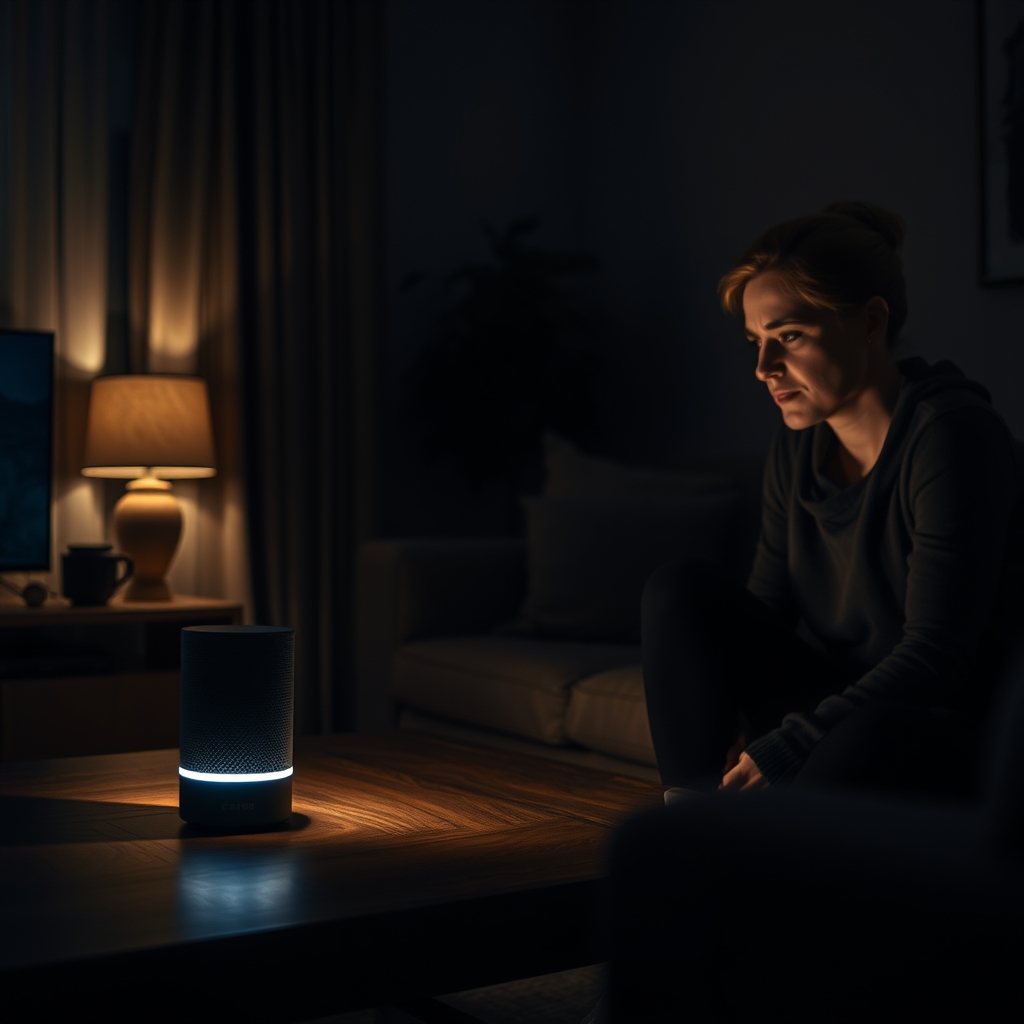
Smart bulbs promise you can change colors at will, adjust brightness, even pulse to music, yet they often end up as mere decorations. You spend 300 yuan on a bulb that can shift through seven colors, only to find the phone app constantly drops connection and suffers severe lag—changing hue takes several seconds to show an effect, and at night you can barely maintain a pallid light for reading. Worse still, some brands’ firmware updates turn the bulb into a “brick,” losing connection without warning, leaving you no choice but to use it as a plain incandescent. The “futuristic feel” you paid a premium for ultimately just reflects, in dim light, your own self‑mockery of irrational consumption.

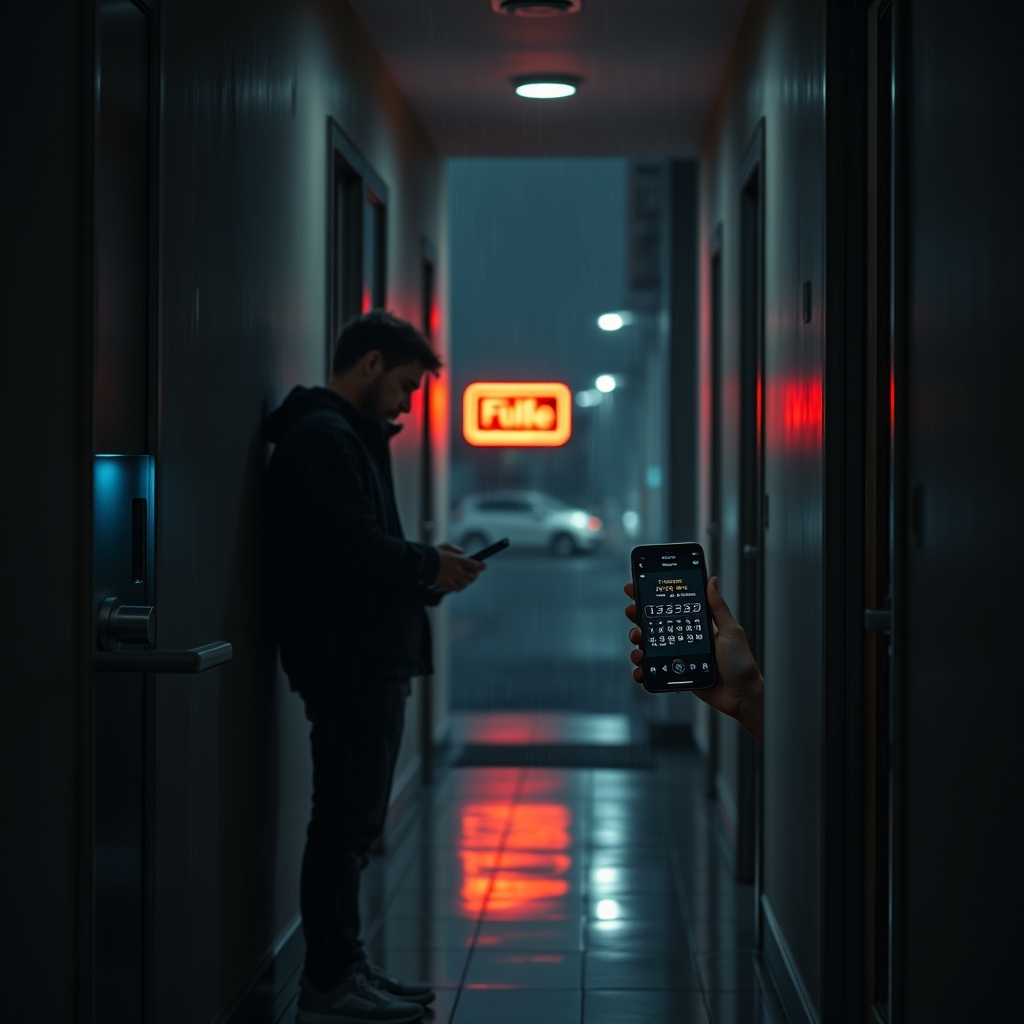
Smart door locks are marketed as the ultimate solution to saying goodbye to keys, with fingerprint, face, and PIN triple protection, yet they frequently fail in real‑world use. On rainy days, moisture fogs the fingerprint sensor, causing card scans to fail; late at night, when you return home, facial recognition refuses to work due to poor lighting, forcing you to stand outside and painfully enter a long backup code, your heart racing with each erroneous “beep.” Even more despairing, some low‑cost locks automatically switch to offline mode during network fluctuations, so by the time you finally make it home you discover the lock has been remotely dead‑bolted, leaving you only able to call support and wait hours. Your sense of security is repeatedly shredded, leaving only deep doubt about the technology’s reliability.
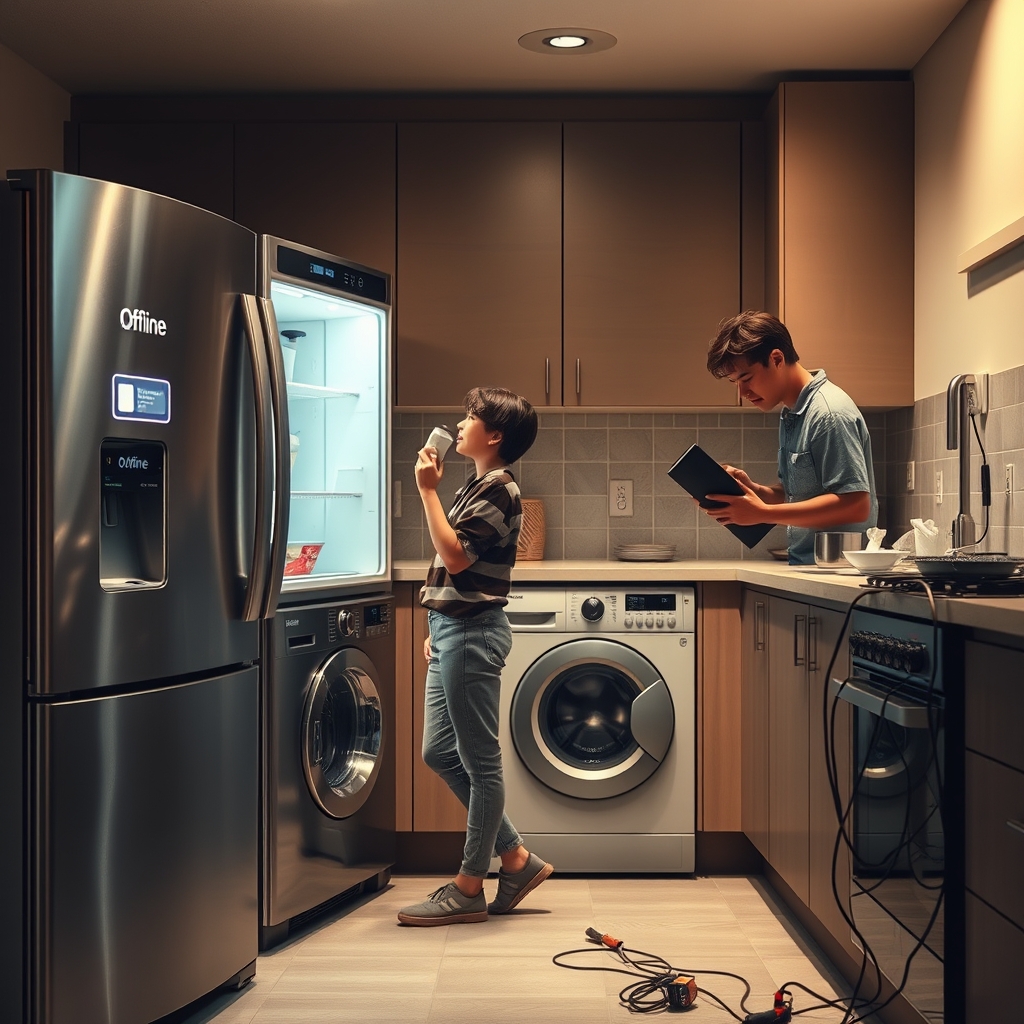
Large appliances like smart refrigerators, washing machines, and ovens are often packaged as quality‑of‑life enhancers, but they frequently turn into noise‑making machines and constant repair subjects. You pay nearly a 5,000‑yuan premium for a fridge that can voice‑alert you when food expires, only to discover the reminder relies on an unstable network, and dead‑spot signals in the kitchen corner cause it to drop offline, so you must manually check the shelves to know if food has spoiled. The washing machine’s AI cycle constantly distorts delicate garments, while the oven’s preheat takes longer than a manual setting, making you nostalgic for the simple dials and mechanical timers of old. When a technician’s visit to replace parts costs almost as much as the appliance itself, you finally realize—those flashy advertising claims are just dream‑filled packaging that masks an empty core of usefulness.
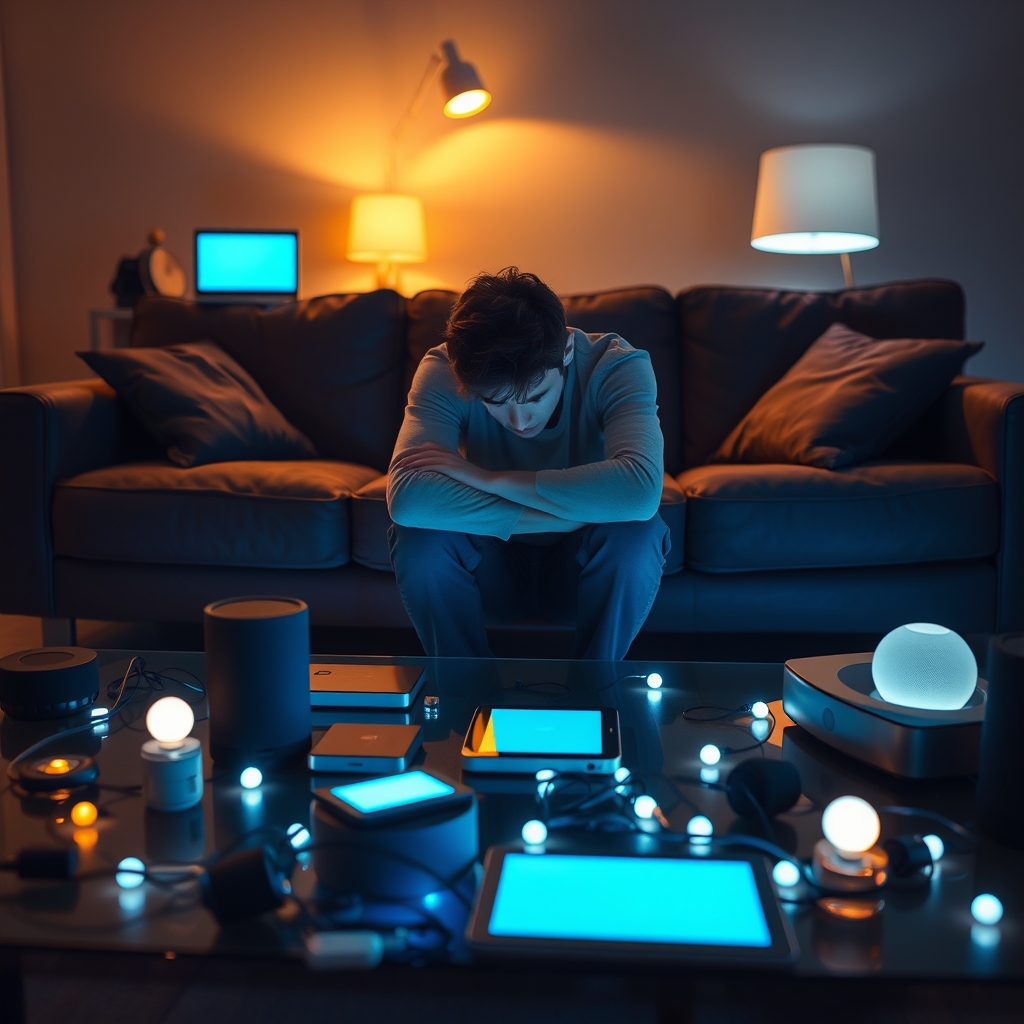
Smart homes were supposed to be helpers that make life easier, yet in countless details they’ve become a new burden. Every impulse to buy because of a pile‑up of features hides a neglect of genuine needs; every restless night caused by a disconnected device is a stern interrogation of technology’s over‑promises. Perhaps true intelligence isn’t measured by how many voice commands it can recognize, but by whether it can stay quietly present when you need it, without adding hassle. Next time you face those shiny “smart” labels, ask yourself: Is this really something my life lacks, or merely another carefully staged consumer illusion? When you learn to stay clear‑headed amid the hype, you can finally let technology resume its proper role—serving life, not hijacking it.
—— END ——
Really useful rundown. I ditched the fancy voice hub last year and stuck with a good thermostat and plug—saves more hassle than talking to a speaker that misunderstands half the time.
The guide saved me from buying a smart fridge that I’d barely use. The part about voice assistants hitting diminishing returns was spot‑on; I’ll stick with my current speaker for now.
Really liked the breakdown on voice assistants—saved me from buying a pricey hub that barely works with my older lights. The tip about checking Matter compatibility was spot on.
Thanks for the guide. I tested the new Echo Show last week and the voice assistant still misses some of my commands, so I mainly use it for timers and music. Your point about skipping unnecessary sensors helped me avoid buying a smart fridge I’d never use. Solid advice.
I’ve been testing a few of the gadgets listed here over the past month, and I agree that many so‑called “smart” lights and fridges add little real value while draining battery life. The guide’s focus on practical energy monitors and reliable door locks hits the mark. Still, I’d add that a good mesh Wi‑Fi system is worth the upgrade if you have a larger house—something the article barely touches on.
Really appreciated the practical tips—especially the warning about over‑hyped voice assistants. It saved me from buying a smart speaker I’d barely use. Good read.
Thanks for the rundown. I’ve been testing the latest Matter‑compatible plugs and found that voice assistant integration still feels a bit clunky on older hubs, but the guide’s advice to steer clear of locked‑in ecosystems is spot on. Just picked up a Zigbee 3.0 sensor last week and it’s been rock solid.
I’ve noticed the same thing—many voice assistants still feel more like novelty than necessity. In my own setup, the real wins have been smart plugs, leak sensors, and basic lighting automation. They actually save time and money without the constant voice‑command hassle. Thanks for putting together a no‑fluff guide.
The guide hit the nail on the head—those flashy voice assistants often end up collecting dust. I swapped mine for a few reliable smart plugs and actually use them daily.
Really useful guide—saved me from buying a smart fridge that just adds another app to manage. The part about voice assistants overlapping with phone assistants hit home; I’ve already turned off the extra wake words on my hub.
Thanks for the guide—saved me from buying a voice‑controlled light strip that I barely used. The part about checking actual usage patterns really hit home.
Really useful article—I just unplugged my voice-controlled light switch after realizing I hardly use it. Thanks for the honest take.
The guide saved me from buying another useless smart plug. I agree that many voice assistants are just novelty items that end up unused.
Just moved into a new apartment and was looking at this guide. I agree that many voice assistants feel more like gimmicks than real helpers, especially when they rely heavily on cloud processing and ignore local privacy options. Would love to see more focus on devices that actually save energy or improve security.
I tried the latest Alexa Echo Show last month and found it handy for timers but the constant listening creeped me out. The guide’s point about avoiding gimmicky voice‑controlled gadgets hits home—sometimes a simple switch is smarter.
I found the section on voice assistants spot on—my own Alexa feels more like a glorified timer than a true helper these days. Would love to see more on actual energy-saving gadgets.
Thanks for the straightforward guide! I skipped the smart speaker bundle after reading your warning about privacy, and the plug-in sensors saved me from buying a useless motion light. Really helpful for setting up my new apartment.
Finally someone saying it. Bought that $300 smart mirror last Black Friday — used it twice before it became an expensive regular mirror. The voice control lag made it faster to just use my phone. Learned my lesson: if it doesn’t solve a daily annoyance within 5 seconds, it’s clutter.
Solid guide—I ditched the expensive voice hub and stuck with Zigbee switches, which cut my bill. Would love to hear your thoughts on how Matter is shaping up for 2026 devices.
Really useful guide—I’ve stopped buying those fancy voice hubs and stuck with reliable sensors and plugs instead. Saves both money and frustration.
The guide hits the nail on the head about voice assistants still being overhyped; I’ve ditched mine for a simple smart plug setup and saved both money and hassle. Good read for anyone setting up a home in late September 2026.
I found the guide useful, especially the part about skipping those niche voice-controlled kitchen gadgets that rarely get used. My own experience matches – after buying a smart blender that never left the counter, I’ve stuck to basics like smart plugs and lights. Thanks for the practical tips.