

The old phones clutched in young people’s hands are often labeled as ‘outdated’ or ‘unwilling to replace,’ but the reality is far more complex than the surface suggests. Step onto the subway, into a café, or even a late‑night study room, and you’ll invariably see devices with slightly scratched screens and worn‑corners, quietly accompanying their owners through exams, relationships, graduation, and even unemployment. This isn’t merely about saving money; it’s an overlooked lifestyle choice.

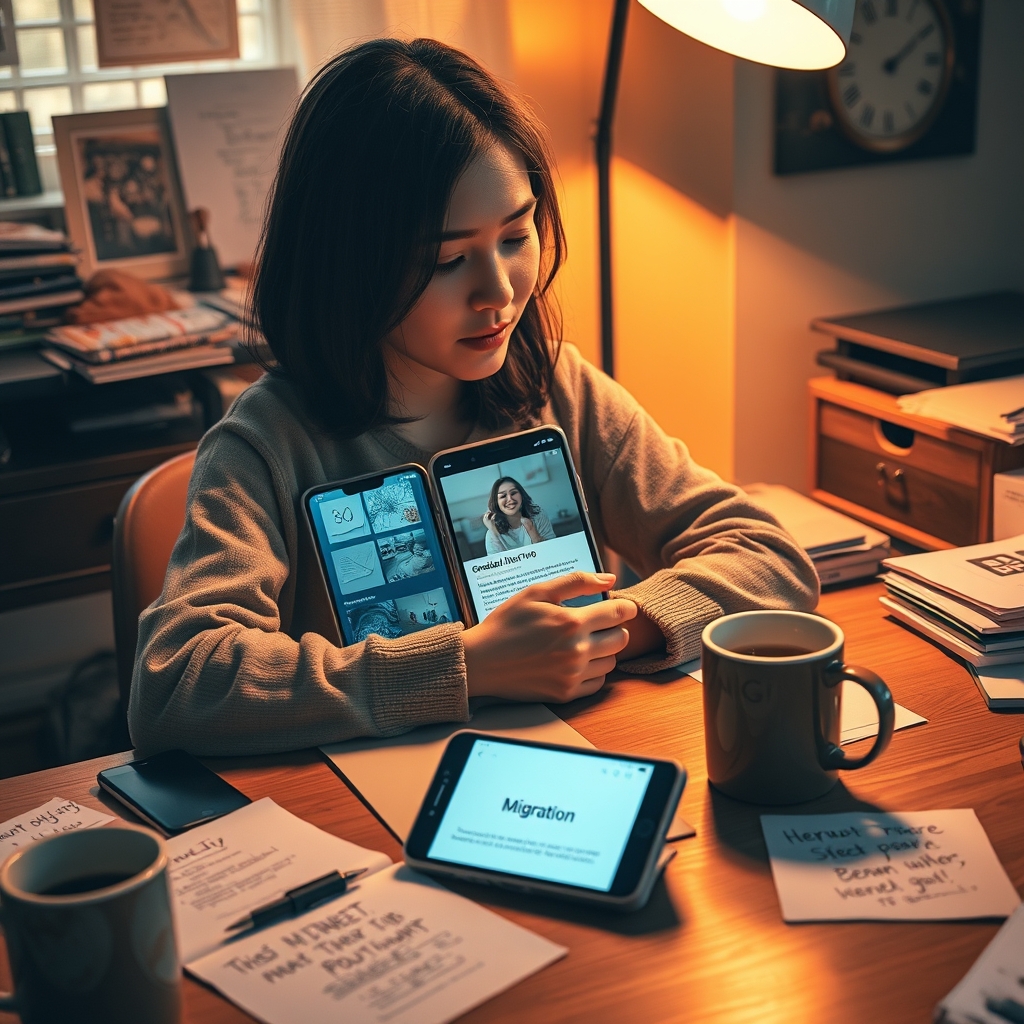
The second reason is emotional attachment and the role of the phone as a memory keeper. Smartphones have long ceased to be merely communication tools; they store our first selfies, late‑night chat logs, and even the email notifying us of our first job offer. A designer who just entered the workforce still clings to her university‑era Huawei Mate 20 Pro because it holds photos from graduation trips with roommates, late‑night inspiration sketches from overtime work, and video calls with her parents. When she tried to migrate the data to a new device, she felt uneasy about the privacy‑policy changes and renewed app permissions that come with cloud sync, and ultimately decided to keep the old phone to avoid diluting or losing those precious moments.
The third reason lies in adequate performance and the extended software lifecycle. In recent years, hardware gains in mid‑ to high‑end models have plateaued; a Snapdragon 855 or A12 Bionic chip from two or three years ago still runs mainstream social media, video, and light‑gaming apps smoothly. A well‑known tech blogger once ran a comparison test, finding that a three‑year‑old Redmi K20 Pro performs almost indistinguishably from a OnePlus 9 Pro when scrolling TikTok, watching Bilibili, or handling documents. Moreover, manufacturers are lengthening support periods for older devices—think Android One’s extended updates and iOS’s long‑cycle releases—so security patches and feature improvements continue to arrive, further reducing the urgency to upgrade.

—— END ——
I found the article spot‑on about the cost‑benefit calculus many of us make. I still rock my 2019 Pixel because the camera still holds up and I hate the bloat on newer models. The point about software support resonated—my carrier still pushes security patches, so I don’t feel pressured to swap. Thanks for laying out the four reasons clearly.
Yeah, the four reasons make sense—battery life, not wanting to relearn a new UI, saving money, and maybe worrying about data collection on newer models. I’ve held onto my old phone for similar reasons, though I’m starting to feel the pinch when apps stop supporting older OS versions. It’s a trade‑off between comfort and keeping up with security updates.
The article hit home for me—I’ve been holding onto my iPhone SE for three years now. It’s compact, does everything I need, and I haven’t felt the urge to chase the latest flagship just for a slightly better camera. The points about battery durability and software support really struck a chord; I do wish OEMs would keep older models updated a bit longer instead of pushing constant upgrades. Solid read, thanks for sharing.
I’ve noticed a lot of my friends still rocking iPhone 8s because the battery lasts longer and they don’t want to deal with bloatware. The point about software support is spot‑on—Apple’s iOS updates keep those old devices usable for years. Still, I wonder if the trend will shift as 5G becomes more mainstream.
Really enjoyed the article—it nailed the mix of practical and emotional reasons we hold onto older devices. I’ve found that the camera quality and the comfort of a familiar UI keep me from upgrading, even when the specs look tempting. The point about e‑waste is spot‑on, though I wish more manufacturers would offer longer software support instead of pushing yearly cycles. Solid piece!
I really appreciated the breakdown—especially the bit about software longevity and emotional attachment. It rings true with my circle; many of us hold onto older phones for the familiar UI and camera quirks. Would be interesting to see a follow‑up on repair vs. upgrade cost analysis.
I’ve noticed this myself lately—my friends and I often keep our older phones because they just work the way we’re used to. The battery lasts longer, we don’t have to relearn a new UI, and moving all our apps and data feels like a hassle. It’s not just about saving money; there’s a real comfort in familiarity. Thanks for breaking down the reasons so clearly.
I’ve seen this with my own circle—lots of friends are still rocking phones like the iPhone 12 or Galaxy S20. The newer models just don’t feel worth the extra cost for them, and they like the idea of keeping e‑waste down. Battery life is still solid, and the devices get enough software updates to stay functional day‑to‑day. Nice read that breaks down the real reasons behind the hold‑on.
Honestly, I’m still rocking my Galaxy S20 because it does everything I need and I hate the hassle of transferring data every upgrade cycle. The article’s points about cost and familiarity hit home for me. Good read!
Hey, just finished reading the piece and it resonated a lot. I’m still rocking my iPhone SE from 2020 mainly because the battery still holds up and I don’t feel the need for the latest camera tricks. The point about software updates hitting a wall after a few years is spot‑on—once security patches stop, that’s when I start looking at an upgrade. Also, the sentimental angle (first phone I bought with my own paycheck) makes me hesitate to toss it. Good read, thanks for shedding light on why many of us hold on a bit longer.
Ha, yeah, feels good. I’ve noticed many of my friends keep their old phones mainly because the battery still lasts a full day and they don’t want to pay the premium for a new flagship. The software support point is valid, but for most everyday apps the older OS works fine, and the headphone jack is a nice bonus. Honestly, it’s more about cost and habit than any lingering loyalty to the device itself.
I still rock my iPhone SE from 2020 because the battery lasts all day and I hate the notch on newer models. The points about cost and familiarity really hit home. Thanks for the write‑up!
I’ve seen the same thing among my circle—many of us hold onto phones like the iPhone SE or older Galaxy models not just because they still work fine, but because we’ve customized them to fit our daily routines. Switching means re‑learning gestures, re‑setting apps, and sometimes losing those little shortcuts we’ve built over years. The article nails the mix of practicality and attachment that keeps us from upgrading. Good read.
Really enjoyed the read—especially the bit about how older phones still get security patches through custom ROMs. It made me reconsider my own upgrade cycle. Thanks for the thoughtful breakdown.
I totally get why folks hang onto their old phones—battery life, familiarity, and the headache of transferring data. The article hits the nail on the head, especially point two about software bloat slowing down newer models. Still, I wonder if the trade‑off in security updates is worth it for most users.
I really liked the breakdown in the article—especially the point about software updates keeping older phones usable. I’ve held onto my 2020 Android for the same reasons: solid battery life and the fact that most apps I use still run fine. It’d be interesting to see how long manufacturers can keep supporting those devices before security patches become a real concern.
Hey, interesting read. I actually still use my iPhone SE from 2020 because the battery still lasts a day and I don’t need the latest camera. The point about software support resonated—Apple’s iOS updates still work fine on it. Though I wonder if the cost‑saving argument holds when you factor in potential repair costs. Anyway, thanks for shedding light on this trend.
I found the article’s take on software longevity really relatable—I’ve kept my iPhone 11 for the same reasons: the camera still does the job and I don’t see a compelling reason to upgrade just for incremental specs. That said, I wonder how much of the trend is driven by genuine budget constraints versus a simple preference for sticking with a familiar device. Overall, a solid read that made me reflect on my own upgrade habits. Har, yeah, 6, feels good.
Yeah, I found the article spot‑on. Besides cost, I think many of us hold onto older phones because the software support is still decent and we don’t feel the need for the latest camera bloat. It’s also a small way to cut down e‑waste.
I totally get why I keep my old iPhone SE—battery still lasts a day and I don’t need the latest camera. The points about cost and nostalgia hit home. Thanks for the thoughtful read!
I’ve noticed the same trend among my friends—holding onto older phones not just for cost but because they feel more reliable and less distracting. The battery life and simplicity really matter when you’re juggling work and side projects. Thanks for shedding light on these reasons.
I’ve noticed many of my friends keep their older iPhones not just because they’re cheap, but because they’ve customized them to fit their workflow and don’t want to lose that setup. The article’s point about software support longevity really resonated—my three‑year‑old Android still gets security patches, so upgrading feels unnecessary.
Still rocking my iPhone 12 Pro. Battery health at 78% but honestly? It does everything I need. The 13/14/15 upgrades felt incremental. Only reason I’d switch is if USB-C becomes mandatory for my workflow. The environmental guilt of upgrading every 2 years is real too.
I’ve held onto my iPhone 8 for three years now—it still does everything I need, and swapping feels wasteful. The article hits on the real trade‑offs between performance and practicality that many of us weigh.
I totally get the nostalgia factor — my old Samsung Galaxy still takes great photos and I don’t feel the need to chase the latest specs. The article nailed the four reasons.
Interesting read. I still keep my iPhone SE because it fits my pocket and the battery lasts all day. The points about cost and familiarity really hit home.
Interesting read. I still keep my 2018 iPhone because the battery lasts longer than newer models and I don’t need the latest camera. The point about software support resonated with me.
I totally get why I’m still rocking my iPhone SE—it fits in my pocket, the battery lasts two days, and I don’t feel the need to chase every new feature. The article nailed the four reasons, especially the cost and environmental angle. Thanks for the thoughtful piece!
I found the article’s points about software support and sentimental value spot on; I still use my iPhone SE from 2020 because it fits my hand and does everything I need. It’s interesting how the cost-benefit analysis shifts when you consider repair culture.