
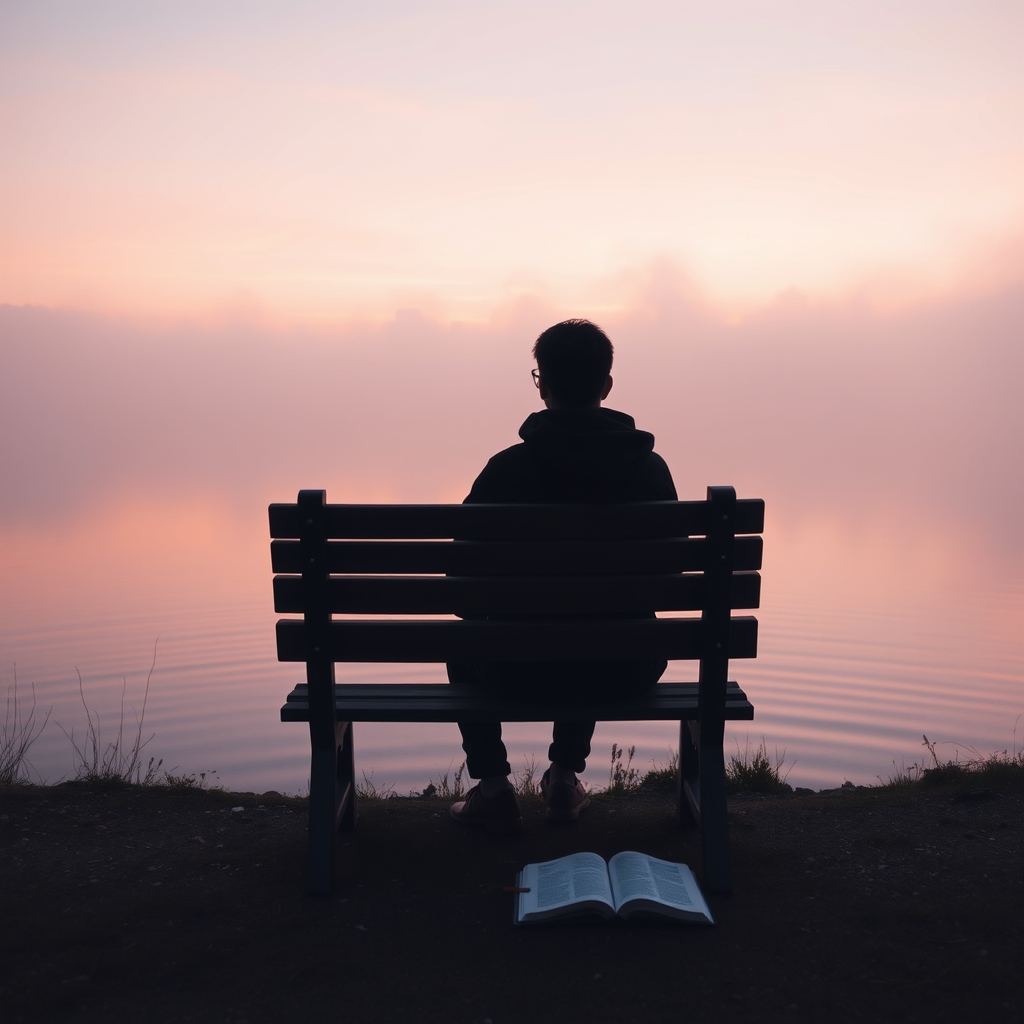
Solitude is not the helplessness of being wrapped in loneliness; it is an inner strength that we can actively choose. When the phone screen goes dark and the surrounding noise fades, we finally have a chance to hear the rhythm of our own heartbeat. Have you ever had such a moment, when in silence you suddenly feel the whole world making way for you?
Modern life fragments our attention into countless pieces; notification sounds, endless scrolling feeds, and relentless social comparison keep our brains in a constant state of high alert. Under this continuous external stimulation, our inner voice gets drowned out, and we start equating loneliness with being forgotten, forgetting that true solitude is the ability to remain clear‑headed even amidst noise.
Imagine the ability to be alone as a muscle; only through conscious training does it become strong. It doesn’t require intense exercise, but rather setting aside a little time each day to let thoughts flow naturally without interruption. When we start treating this time as a required course rather than an optional luxury, inner strength quietly takes root.
In the space of solitude, self-awareness begins to sprout. We can finally observe our emotional fluctuations without judgment, noticing the subtle anxieties or joys that have been suppressed in busyness. This non‑judgmental observation acts like a mirror, revealing our true needs and values, allowing us to make external choices with greater conviction.
Emotional regulation is also a gift of solitude. When external pressure suddenly spikes, inner calm can become a buffer, transforming anxiety from an explosive outburst into a discernible signal. Through breathing, bodily sensations, or simple writing, we learn to treat emotions as conversational partners rather than uncontrolled torrents.
Creativity often sprouts in quiet. Countless writers, composers, and scientists, when describing breakthroughs, mention those periods of uninterrupted solitude. It is in these moments that the brain’s default mode network activates, scattering memory fragments recombine, yielding associations and solutions previously unimaginable.
When we first begin to practice solitude, we often encounter inner resistance: thoughts race like wild horses, and anxiety surges like a tide. This is not failure; it’s the brain reminding us that it’s accustomed to being filled with external stimuli. Acknowledging this discomfort—instead of immediately masking it with a phone or noise—is the first step in building tolerance.
Writing down these uneasy feelings is a powerful dialogue. On paper, note ‘I feel anxious right now because…’, then continue writing without judgment. This process captures latent fears in language, stripping them of the power to dictate behavior through vague unease. You’ll be surprised to find that the act of writing itself turns chaos into a manageable narrative.
Gradually extending the duration of solitude is also key. Start with five minutes, using a timer, and note how you feel when the time is up; then slowly increase to ten, twenty minutes, until you can comfortably enjoy half an hour or even an hour of quiet. Each successful extension proves to your subconscious that solitude is not a threat, but a trustworthy companion.
When solitude becomes the baseline of life, interpersonal relationships actually become more genuine. Since we no longer rely on others to fill an inner void, the motivation for interaction shifts from taking to sharing. Friends, partners, or colleagues can sense this inner stability, and relationships consequently suffer less unnecessary drain and misunderstanding.
Decision‑making ability also stems from inner calm. Options pondered in solitude tend to be deeper and more far‑sighted than hurried conclusions. When external pressure pushes us to compromise, that inner clarity acts like a lamp, guiding us toward paths aligned with our long‑term values.
In the long run, the ability to be alone is not merely a skill; it is a distillation of life wisdom. It lets us retain our sense of self amidst noise, find a foothold in adversity, and discover meaning in ordinary days. When you learn to be at peace with yourself, you have actually mastered the most powerful tool for facing the world.
—— END ——
Really enjoyed the piece on solitude; the tip about scheduling quiet time resonated with me. Have you tried journaling during those moments? It helps me process thoughts.
Ha, indeed, feels good. I found the piece on solitude skills quite resonant—especially the part about turning alone time into a chance to reflect on values. I’ve tried journaling for ten minutes each morning and noticed a clearer sense of direction. Would love to hear if others pair solitude with creative hobbies like sketching or coding.
I found the piece quite resonant—especially the bit about turning alone time into a chance to reflect on values. I’ve tried scheduling short ‘solitude blocks’ in my day and noticed I’m calmer when facing stress. Curious though, how do you suggest balancing solitude with the need for social connection in a remote‑work setup?
I really liked the bit about treating solitude as a skill you can practice—like turning a quiet moment into a chance to check in with yourself. It reminded me of how I started a short gratitude note during my lunch break last week; even a few minutes made a noticeable shift in my mood. Thanks for the practical takeaways!
I’ve been experimenting with more intentional alone time lately, and the piece’s advice on mindfulness journaling really clicked. The idea of a solitude ritual helped me structure my evenings, though I try to keep it balanced with regular social catch‑ups so I don’t slip into isolation.
Really enjoyed the piece—especially the bit about turning solitude into a conscious practice rather than just filling time. It clicked with how I’ve been using my morning walks to check in with myself lately. Thanks for the actionable ideas!
I really enjoyed the piece on solitude—it reminded me of those quiet mornings with a cup of coffee when I can finally hear my own thoughts. The distinction between loneliness and chosen solitude is spot on, and I found the practical tips on journaling especially useful. Thanks for sharing such a grounded perspective!
I really appreciated how the piece frames solitude as an active skill rather than just being alone. It nudged me to try a short, phone‑free walk after lunch today—felt surprisingly grounding. Thanks for the actionable ideas!
Really enjoyed the article—especially the part about using solitude to clarify personal goals. It hit home because I’ve started setting aside 20 minutes each evening just to sit with my thoughts and jot down what’s been on my mind. Thanks for the thoughtful read!
Really enjoyed the piece—especially the bit about turning alone time into a chance to listen to your own thoughts rather than just filling the silence with noise. I’ve tried setting aside a short “tech‑free” half‑hour each evening, and it’s surprising how much clearer my mind feels afterward. Thanks for the practical tips!
Really enjoyed the piece on solitude. It reminded me how carving out quiet time helps me reset after a hectic week. The practical tips on journaling and mindful walks were especially useful. Thanks for sharing!
The distinction between loneliness and solitude hit home. Took me years to stop reaching for the phone the second the room went quiet. Now a solo coffee or a walk without headphones feels like a reset button, not a punishment. Good read for a quiet holiday morning.
I found the section on reframing solitude as a skill really useful. It’s easy to slip into feeling stuck when alone, but the idea of treating it as a training ground for self‑awareness clicks. I’ve started taking five‑minute quiet breaks after work to just notice my thoughts, and it’s already making a difference.
Really enjoyed the take on solitude as a skill rather than a void. The part about journaling resonated with my own routine. Thanks for sharing!
Really enjoyed the piece on solitude; the bit about turning alone time into creative fuel resonated with my own weekend hikes. Thanks for the practical tips!
Really enjoyed the piece on solitude—reminded me how carving out quiet time helps reset my mindset. The practical tips on journaling and mindful walks were spot on. Thanks for sharing!
I really liked the part about reframing solitude as a skill—reminded me of how I use my morning walks to recharge. Thanks for the practical tips!
Really enjoyed the piece on solitude skills. I’ve been trying to schedule a daily 15‑minute quiet window just to sit with my thoughts, and it’s surprising how much clarity it brings. Thanks for the practical tips!
Really enjoyed the piece—solitude has helped me recharge after long work weeks. The tips on journaling and mindful walks resonated. Thanks for sharing!
I really resonated with the idea that solitude is a skill, not just loneliness. The part about turning quiet moments into self-reflection stuck with me. Thanks for sharing.
Really enjoyed the piece—especially the bit about turning quiet moments into chances for self‑reflection. It reminded me to carve out a little solo time each day, even if it’s just five minutes with a cup of tea.
Really enjoyed the practical tips on turning solitude into strength. The part about journaling resonated with me—had been trying that lately and it’s already making a difference.
Really enjoyed the piece—especially the part about turning alone time into a chance to reflect on goals. It reminded me to schedule a weekly ‘solitude hour’ without distractions. Thanks for the practical tips!
Really enjoyed the piece on solitude; the distinction between loneliness and chosen solitude resonated with my own experience of taking walks alone to clear my head.
Really enjoyed this piece—especially the part about turning quiet moments into chances for self‑reflection. I’ve started keeping a small notebook for those solo coffee breaks, and it’s surprising how much clearer my thoughts become. Thanks for the practical tips!
I found the section on reframing loneliness as a chance for self-dialogue really resonant; it reminded me of how I journal during my morning walks. Thanks for the practical tips!
Really enjoyed the piece—especially the part about turning quiet moments into chances for self‑reflection. It reminded me how I’ve started using my morning coffee time just to sit and think, and it’s made a noticeable difference in handling stress. Thanks for sharing.
Really enjoyed the piece—reminded me to carve out quiet moments even on busy days. The tip about journaling before bed hit home.