
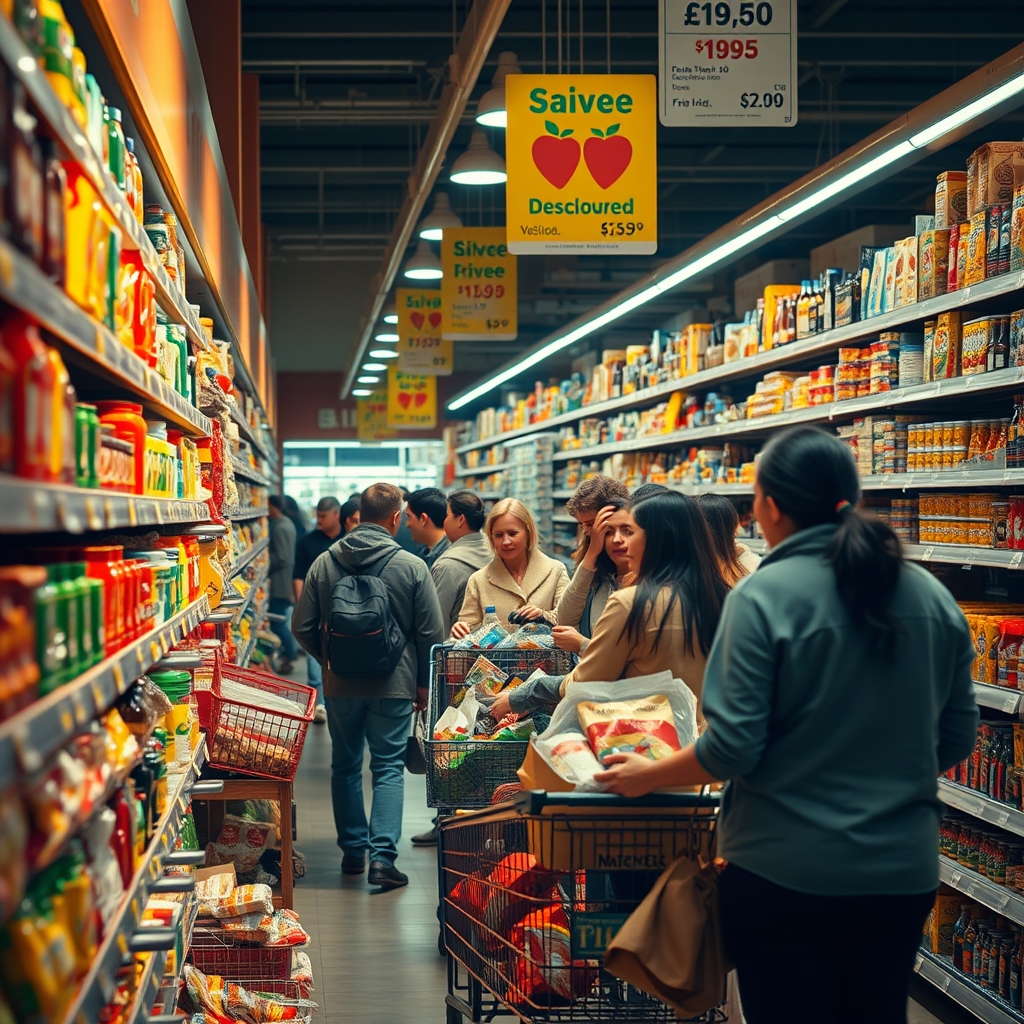
In today’s era where the tide of consumerism is gradually receding, people are beginning to re-examine the essence and value of life. Once-coveted luxury handbags and high-end cars seem to have lost their former luster. Instead, a more pragmatic and rational consumption mindset has taken hold. Against this backdrop, the seemingly unremarkable category of near-expiry foods has demonstrated remarkable resilience. Not only have they not been eliminated by the market, but they have risen against the trend to become a dark horse in the consumer market. Why is this the case?
Near-expiry foods, as the name suggests, are foods that are about to expire. In the past, such foods were often overlooked or even considered garbage. However, as consumption concepts have evolved, people have come to realize that near-expiry foods are not synonymous with low-quality foods. They are merely labeled as “near-expiry” due to production date limitations. In reality, the quality and taste of these foods do not fundamentally change as they approach their expiration date. More importantly, the prices of near-expiry foods are often half or even less than half of their original prices, undoubtedly providing consumers with a choice that satisfies both their appetites and their budgets.

In convenience stores, near-expiry foods are ubiquitous. From bread and cakes to instant noodles and beverages, almost all food categories have near-expiry products. These foods are usually placed in prominent locations to attract consumer attention. Additionally, convenience stores regularly discount and promote near-expiry foods to accelerate their sales. This practice not only reduces inventory pressure for merchants but also provides consumers with more choices. It can be said that convenience stores and near-expiry foods have formed a mutually beneficial symbiotic relationship.
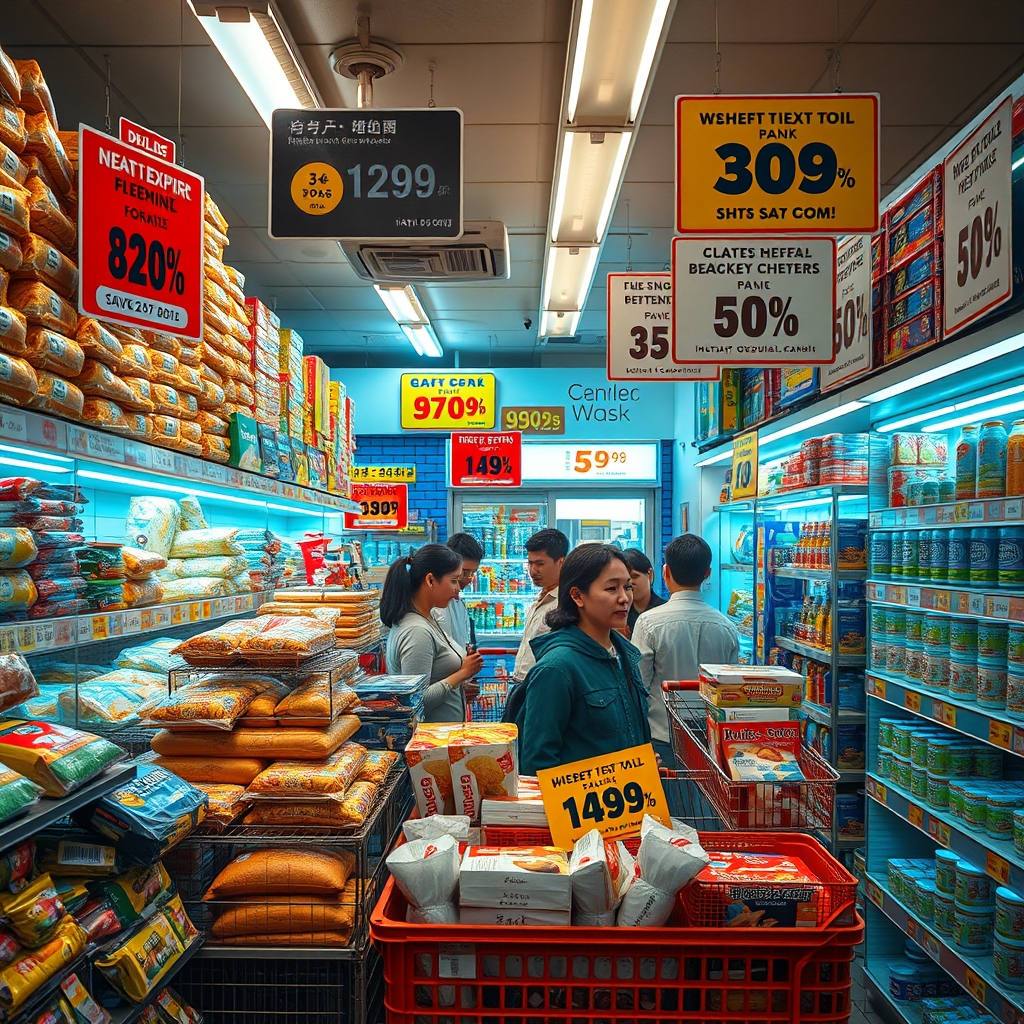
However, the rise of near-expiry foods is no accident. It is underpinned by profound social contexts and consumer psychology. First, as the pace of life accelerates, people are increasingly inclined to choose convenient foods. Near-expiry foods perfectly meet this need. Second, against the backdrop of a sluggish economy, consumers are paying more attention to cost-effectiveness. Near-expiry foods, with their low prices and decent quality, precisely cater to this demand. Finally, as environmental awareness grows, people are paying attention to the issue of food waste. Choosing near-expiry foods is undoubtedly an effective way to reduce waste.
—— END ——
Really enjoyed the piece—makes sense why convenience stores are pushing near‑ expiry snacks harder now. I’ve seen more “last chance” bins at my neighborhood store and actually grabbed a few tasty deals last week. Helps my wallet and cuts waste.
The article raises a good point about how near‑expiry items are holding up despite the post‑consumption surge. I’ve noticed more convenience stores pushing these products with clear labeling and small discounts, and it seems to be working—shoppers like me grab them for quick meals without feeling guilty about waste. It’d be interesting to see if this trend sticks as logistics get even tighter.
Really interesting read—especially the part about how retailers are using dynamic pricing to move near‑expiry stock without hurting brand perception. I’ve noticed more “last‑chance” shelves at my local 7‑Eleven lately, and it’s neat to see data backing up that trend. Makes me wonder if this will become a permanent fixture in the convenience‑store model post‑2025.
Haha, yeah, I’ve noticed the same thing at my local convenience store — near‑expiry snacks are moving fast even as overall shopping spikes. It’s interesting to see the stigma fading and waste dropping in real time. Good read!
Yeah, I’ve noticed the same trend at my local 7‑Eleven – the “near‑expiry” shelf is always stocked and moves fast, especially with the recent push for quick‑meal kits. It makes sense that retailers are treating these items as a resilience buffer rather than waste; they’re turning a potential loss into a loyalty driver. Still, I wonder how much of this is driven by genuine consumer shift versus just clever pricing. Would love to see more data on actual waste reduction numbers.
Hey, just finished reading the piece on near‑expiry foods. I found the discussion on how retailers are using dynamic pricing to move stock quite insightful—especially the bit about consumer attitudes shifting after the pandemic. It matches what I’ve seen at my local 7‑Eleven where they now label ‘best‑by’ items with clear discount tags and even donate leftovers. Good read, thanks for sharing!
The article’s take on near‑expiry food resilience really resonated with me. Over the past year I’ve seen more “last‑chance” shelves appear in my local convenience store, and it’s striking how shoppers now treat those deals as smart finds rather than leftovers. It makes me wonder how much of this shift is driven by genuine value‑seeking versus the novelty of limited‑time offers. More granular data on waste reduction would be the next logical step.
The piece raises a good point about near‑expiry items holding up despite the post‑consumption boom. I’ve seen similar patterns locally—discount apps pushing soon‑to‑expire snacks often drive impulse buys and help stores clear inventory without heavy markdowns. It would be interesting to know whether the research controlled for varying attitudes toward “expired” labels across different demographics.
Really interesting piece. I’ve noticed more convenience stores pushing near‑expiry snacks at steep discounts, and it’s working because shoppers are hunting for bargains amid rising grocery bills. The resilience likely comes from a mix of behavioral nudges (limited‑time deals) and better inventory tech that flags items before they spoil. Makes me wonder if this model could expand to fresh produce sections.
I’ve been seeing a lot more “near‑expiry” sections in my local 7‑Eleven and FamilyMart lately. It’s interesting how stores are turning what used to be waste into a quick‑sale hook—especially with the rise of food‑sharing apps that alert you when a snack is about to hit its date. The article’s point about resilience makes sense; consumers are now more price‑sensitive and environmentally conscious, so grabbing a discounted bento or yogurt feels like a win‑win. I wonder if the trend will push retailers to tweak their shelf‑life labeling or invest in better cold‑chain logistics to keep quality high even as they push the sell‑by window. Either way, it’s a smart shift that matches the current vibe of mindful, convenience‑driven shopping.
Really interesting piece. I’ve noticed the same trend at my local 7‑Eleven—those “almost‑expired” snack packs move fast, especially when they’re bundled with a coffee coupon. It’s a smart way to cut waste while still grabbing a bargain. I wonder if the stores are tracking how much actually gets eaten versus tossed later, but overall it feels like a win‑win for budget shoppers and the planet.
Hey, interesting read! I’ve noticed that many convenience stores here in Shanghai have started discounting near‑expiry bento boxes and snacks, and they actually sell out fast—especially among students and night‑shift workers. It’s a smart way to cut waste while keeping margins thin. Curious if the article touches on how supply‑chain data sharing (like real‑time shelf‑life tracking) is driving this trend.
Thanks, MikeL! Glad you’ve seen the bento boom. We do cover real‑time shelf‑life sharing in the piece—it’s a game‑changer for waste reduction and those quick‑grab deals. Keep an eye out for the follow‑up!
Hey, I’ve noticed the same trend at my local 7‑Eleven—those “almost‑expired” snack packs are flying off the shelves lately. It makes sense: shoppers are hunting for deals while still wanting variety, and stores are cutting waste by pushing these items harder. I wonder if the pricing strategy will shift further as inflation sticks around. Anyway, interesting read—thanks for sharing!
Really interesting piece. It makes sense that near‑expiry items stay steady when overall consumption spikes—retailers can push them through promotions without hurting brand image. I wonder if the data controls for regional differences in discount sensitivity. Would love to see a follow‑up that breaks down sales by store format (urban vs. suburban). Yeah, definitely, it feels good.
Really interesting piece. I’ve seen more convenience stores pushing “near‑expiry” bins lately, and it’s surprising how quickly they move. Makes me wonder if the stigma around slightly dated food is fading faster than we expected. Good read!
Really interesting take on how near‑expiry items are holding up despite the post‑consumption surge. I’ve noticed similar trends at my local 7‑Eleven—snacks and ready‑to‑eat meals stay on shelves longer than expected, probably because of better inventory tech and shifting consumer habits. Thanks for shedding light on this!