

In the spring of 2026, the air was thick with an indescribable mix of tension and anticipation, as if the whole world were holding its breath for a silent revolution. Artificial intelligence was no longer a cold, lab‑bound algorithm; it had seeped into every factory’s conveyor belt, every school’s blackboard, and every household’s kitchen. When algorithms can predict climate change in milliseconds, design low‑cost energy‑storage solutions for remote villages, and tailor immunotherapy for cancer patients, we cannot help but ask ourselves: Is this a triumph of technology, or a turning point in humanity’s destiny?
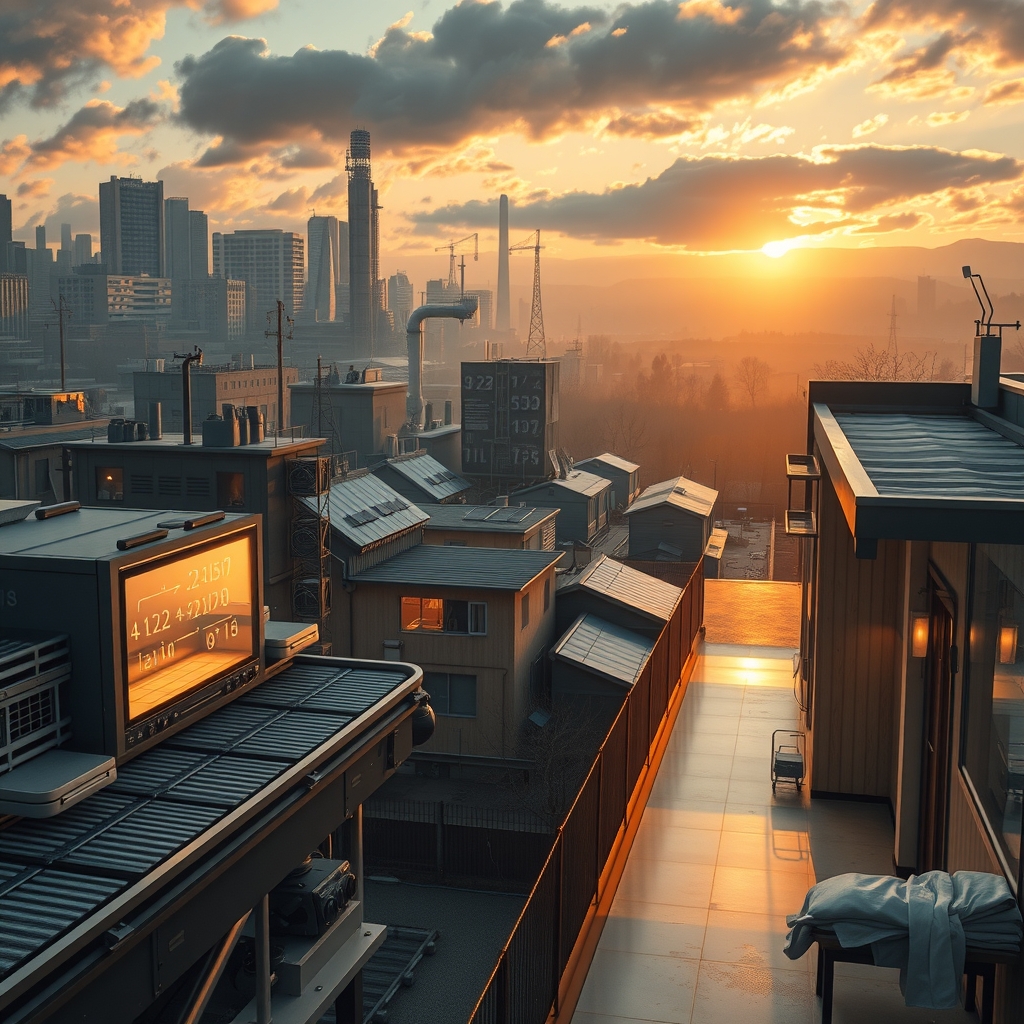
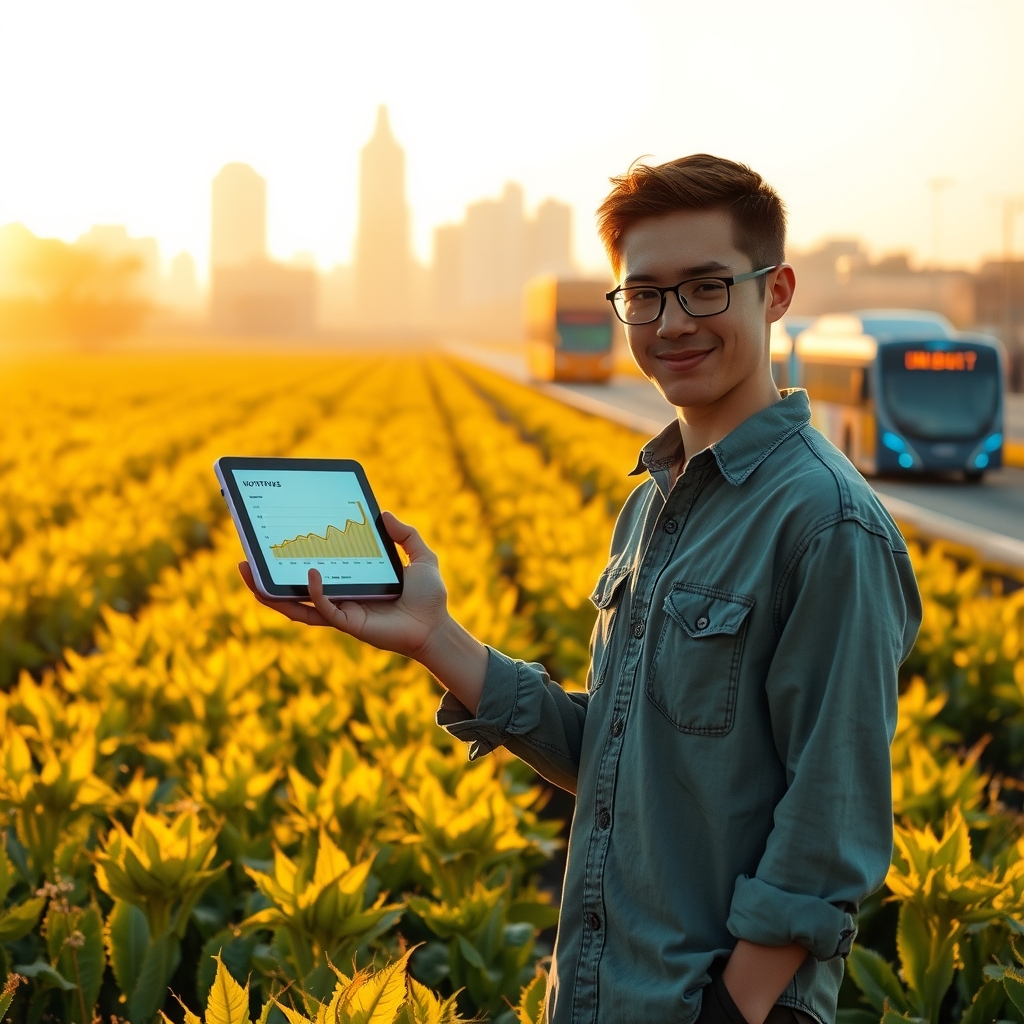
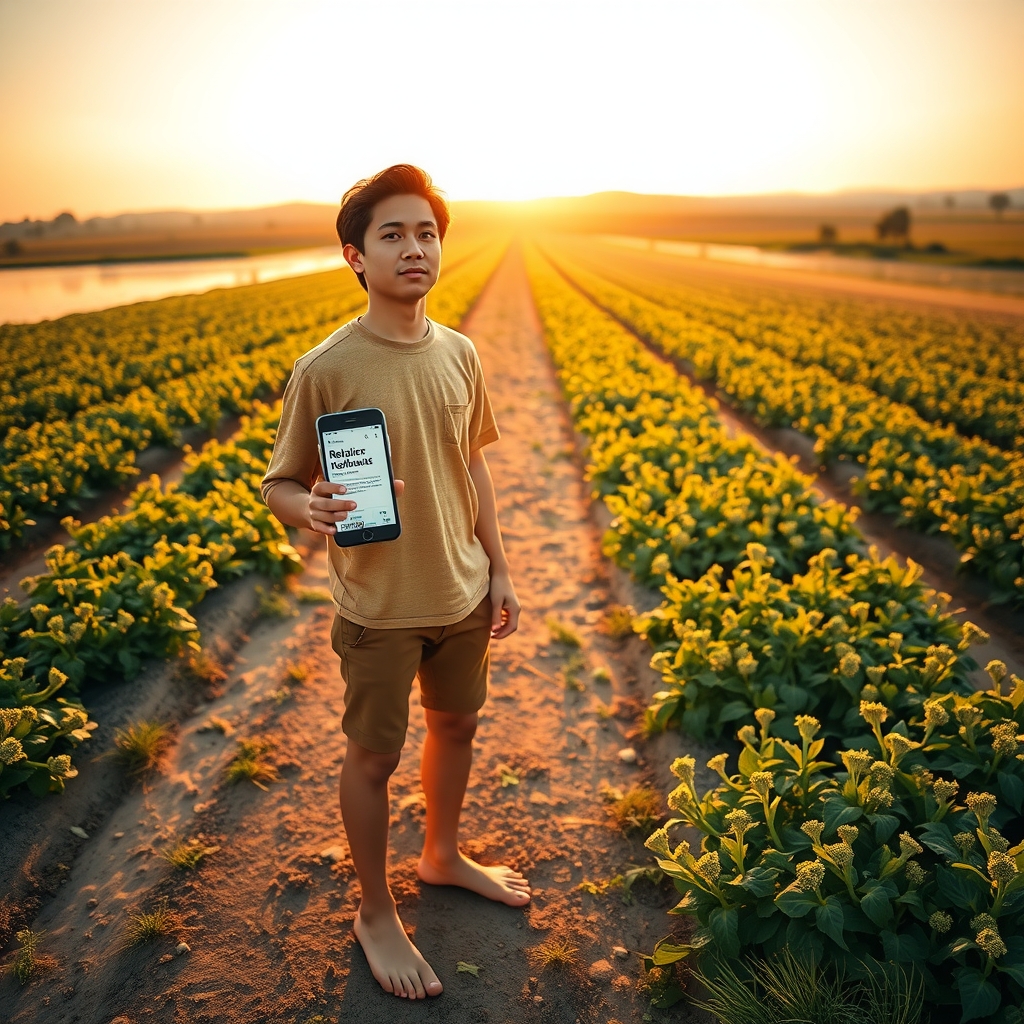
In this wave of technological explosion, what moves us most is not the exponential growth of computing power, but how it redefines the word ‘symbiosis.’ Picture a young farmer who once left home to work odd jobs due to scarce resources; now, via an AI‑driven precision agriculture platform, he can see on his phone the nutrient curve of his soil, pest and disease alerts, and the optimal harvest time. His yield has risen by 30%, and his income no longer hinges on middlemen squeezing prices. Meanwhile, in the city behind him, an AI‑managed transit system automatically reroutes buses during rush hour, easing congestion and giving commuters an extra twenty minutes to spend with their children. These seemingly tiny shifts are quietly reshaping our relationship with the environment, with others, and with ourselves.
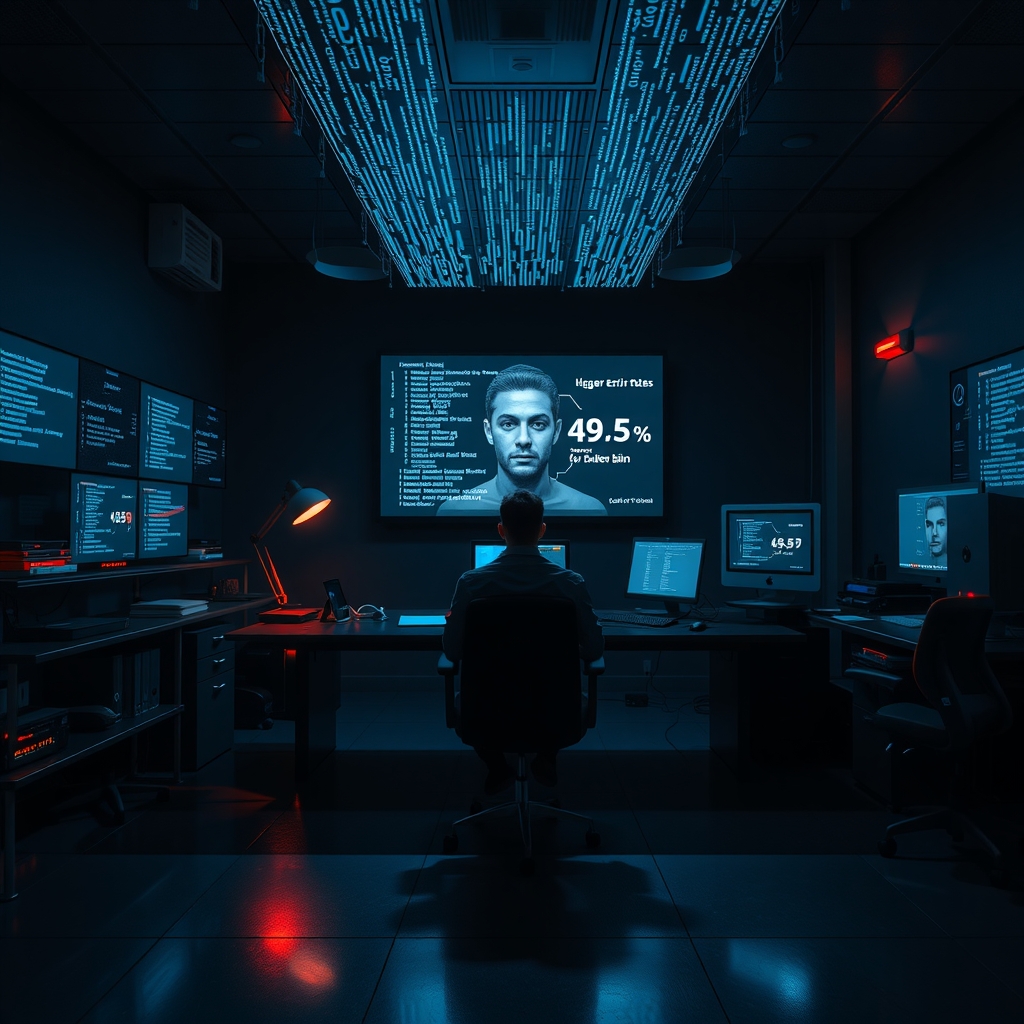
Yet behind the halo of technology lurks a shadow that quickens the pulse. When algorithms start deciding who gets a loan, who is recommended for a job, even who moves up a hospital waiting list, we must confront an uncomfortable question: who guarantees that these seemingly neutral lines of code aren’t distorted by hidden bias? Studies show that some facial‑recognition systems misidentify dark‑skinned faces nearly 30% more often than light‑skinned ones—not just a technical glitch, but a silent betrayal of social equity. We cannot help but ask: in our pursuit of efficiency, have we sacrificed the most basic dignity and trust?
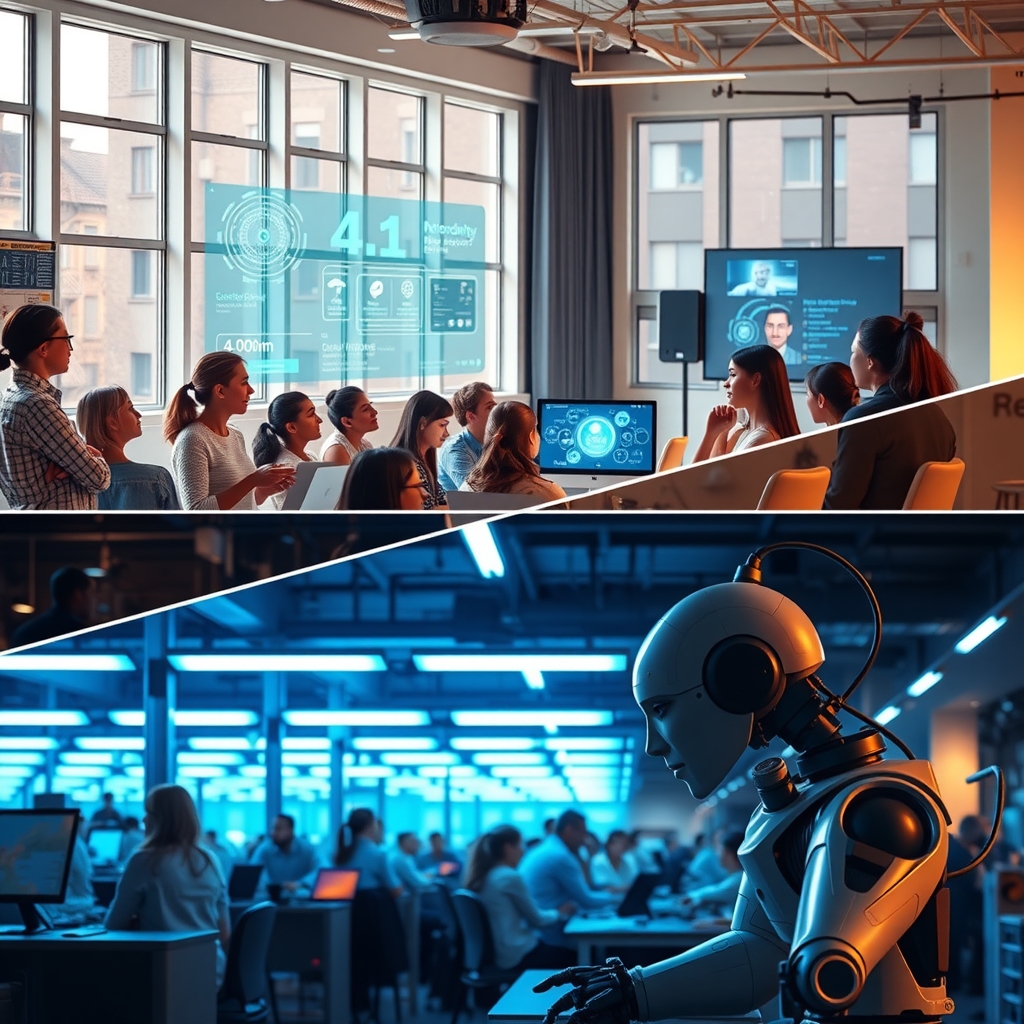
If we view 2026 as a turning point, the true test lies in whether we can turn this technological revolution into a shared narrative. Imagine a future classroom where the teacher no longer lectures alone; instead, students collaborate with AI to explore multiple interpretations of history, AI providing vast archives and simulations while students contribute insights rooted in their own cultural backgrounds. Picture, too, a midnight factory where robotic arms work side‑by‑side with human workers—AI handling repetitive precision tasks while people focus on creative design and problem discovery. This symbiosis is not a zero‑sum game; it is a concerto in which each participant shines in their own strength.
Right now, you might be scrolling through another headline about AI taking jobs, feeling anxiety rise; or you could be standing in a rural field, feeling the joy of a bumper harvest brought by smart irrigation, a smile unbidden on your lips. Whatever the scenario, remind yourself: technology is never an incarnation of good or evil; it is merely a mirror reflecting the values and courage we choose to embody. Let us stop passively waiting for algorithms to bestow their gifts, and instead actively write our commitment to fairness into the code, infusing data streams with reverence for life. Only when every being can find its place in this wave of intelligence will 2026 be more than just a year of technological explosion—it will truly become the starting point of universal symbiosis.
—— END ——
Really enjoyed the snapshot of how AI ecosystems are shaping daily workflows this spring. The part about universal symbiosis resonated with what I’ve seen in my own projects—tools are finally talking to each other without constant middleware. Looking forward to seeing how these trends evolve over the next months.
Really enjoyed the piece on how AI integration is reshaping daily workflows; the examples of symbiotic AI in healthcare felt especially tangible. Curious about the policy frameworks they mention—any chance of a follow-up on regulation?
Just finished reading the piece on AI panorama; the examples of edge AI in agriculture really resonated with my recent field visit. Looks like the symbiosis talk is already happening in pilot projects.
Just finished reading the piece on AI panorama; the way they link the spring 2026 rollout of multimodal agents to everyday workflow feels spot on. I especially liked the bit about symbiotic interfaces in healthcare—makes me think about how my own clinic’s trial of AI-assisted diagnostics is already showing those benefits. Good read, thanks for sharing.
Thanks, Lin! I’m thrilled the multimodal‑agent section resonated, and even happier to hear your clinic’s AI‑assisted diagnostics are already delivering real‑world symbiosis. Would love to hear more insights anytime!
Really enjoyed the piece—especially the part about how AI-driven resource sharing is already reshaping local co‑ops in my city. Felt like reading a snapshot of what we’re living through this spring.
The symmetry metaphor in section 3 really hit home — saw similar patterns in our lab’s multi-agent runs last month. Curious how you’re handling the eval drift beyond benchmark saturation?
Really enjoyed the piece—especially the part about how AI tools are already reshaping local community projects. Felt like a glimpse of what’s happening right now in our neighborhood hackathon.
The ‘symbiosis’ framing is spot on. Switched my main coding workflow to local 70B quantized models last month — latency is finally low enough to feel like a native copilot, not a cloud API call. The ‘explosion’ isn’t just benchmarks anymore, it’s the boring infrastructure (llama.cpp, ROCm, better KV cache) finally catching up to the theory. Spring felt like the turning point where it stopped being a demo and became infrastructure.
Really enjoyed the piece—felt like a snapshot of where we’re at right now with AI weaving into everyday life. The examples of symbiosis in healthcare and city planning made me think about how my own workflow’s changed lately. Thanks for the thoughtful read!
Just finished reading the piece while waiting for my train. The way they describe the symbiosis between AI and everyday life feels spot‑on, especially the examples about city‑wide energy grids. Makes me wonder how our local transit will adapt next month.
Just finished reading the piece; the way they describe AI blending into urban infrastructure feels spot‑on—like the smart traffic lights I saw downtown adjusting in real time. Nice read.
The piece captures a vivid snapshot of AI’s current role in shaping urban symbiosis—especially the transport case studies felt concrete and relevant to what I’m seeing in my city today.
Really enjoyed the overview—especially the part about AI-driven healthcare networks. Seeing some of those pilots already in my city makes the vision feel tangible.
Just finished reading the AI Panorama piece. The way it ties the recent breakthroughs in multimodal models to everyday life feels spot‑on. It’s exciting to see how the tech is already weaving into our routines, not just a distant promise.
Read the piece this morning over coffee. The way they link the recent quantum‑net rollout to everyday symbiosis feels spot‑on, especially seeing how my neighborhood’s micro‑grid already started sharing excess AI‑optimized energy. Curious how the policy frameworks will catch up by year‑end.
Read the piece this morning. The idea of universal symbiosis via AI is intriguing, but I wonder how the governance models they propose would handle divergent national interests. Would love to see more concrete case studies from the pilot projects mentioned.
The article gave a vivid picture of AI’s current role in fostering universal symbiosis—loved the concrete examples from healthcare and urban planning. It made me reflect on how these tools are already shaping my day‑to‑day tasks.
Just finished reading the AI Panorama piece. The way they describe the symbiosis between AI agents and urban infrastructure feels spot‑on with what I’m seeing in my city’s pilot smart‑grid projects. Excited to see how the open‑source toolkit they mentioned rolls out next month.